Introduction
Transform your cooking space with the stunning appeal of two-tone kitchen cabinet colour schemes that are taking interior design by storm. This trend offers the perfect balance between classic elegance and modern sophistication, allowing homeowners to express their unique style while adding visual depth to their kitchens. By combining complementary shades, you can create a dynamic look that elevates your entire home. Whether you’re planning a complete renovation or a simple refresh, exploring kitchen cabinets in contrasting tones provides endless possibilities for customization and personality.
Two-Tone Kitchen Cabinet Trends
The two-tone kitchen cabinet colour movement has evolved from a niche design choice to a mainstream phenomenon embraced by homeowners and designers alike. This approach breaks away from monotonous single-color schemes, introducing visual interest through strategic color placement.
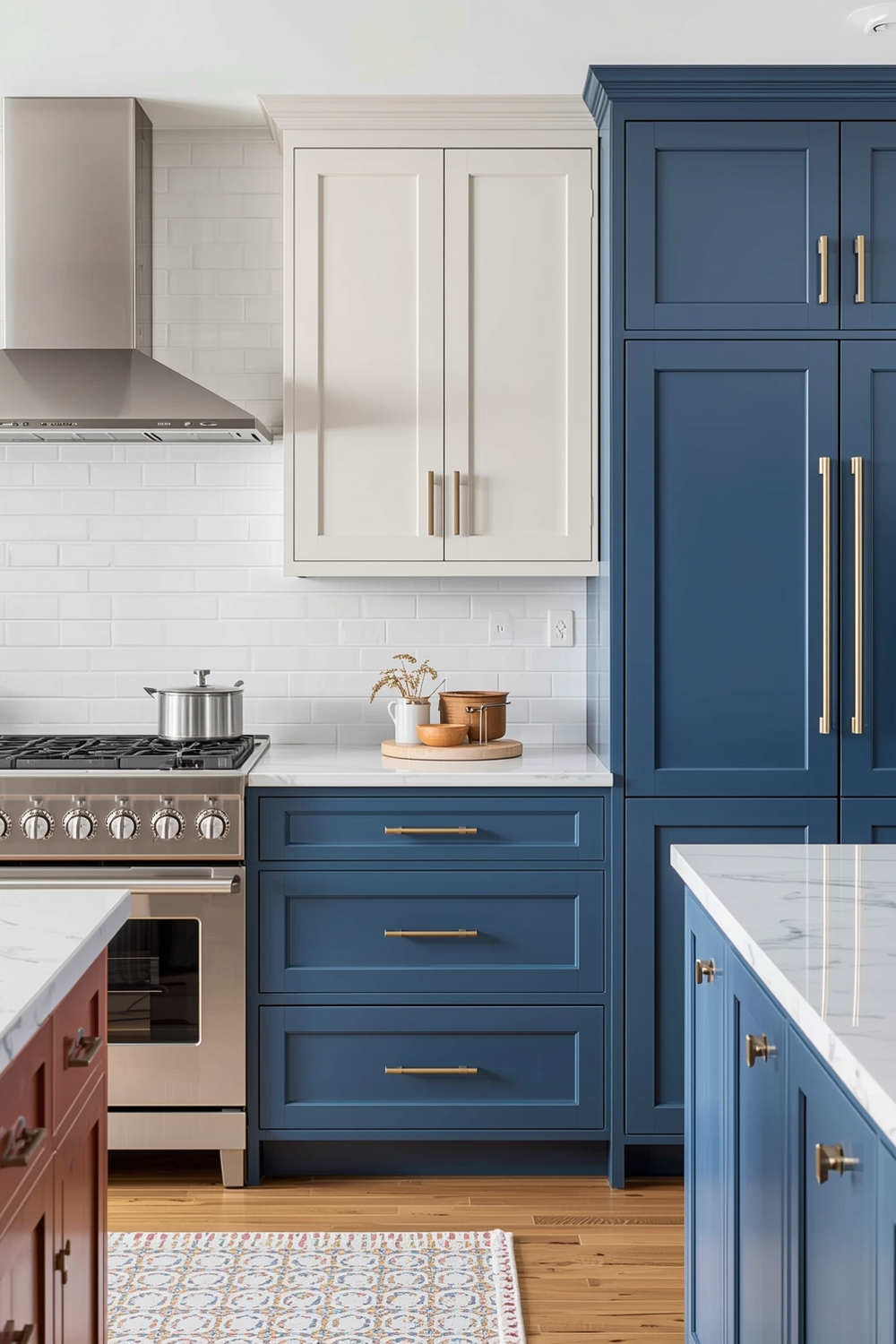
Popular trends include pairing warm neutrals with cool grays, combining natural wood with painted finishes, or contrasting deep navy with crisp white. The beauty of this design strategy lies in its flexibility—you can go bold with dramatic contrasts or subtle with complementary shades. These kitchen cabinets create focal points and define different zones within your cooking space effortlessly.
Trending Color Combinations
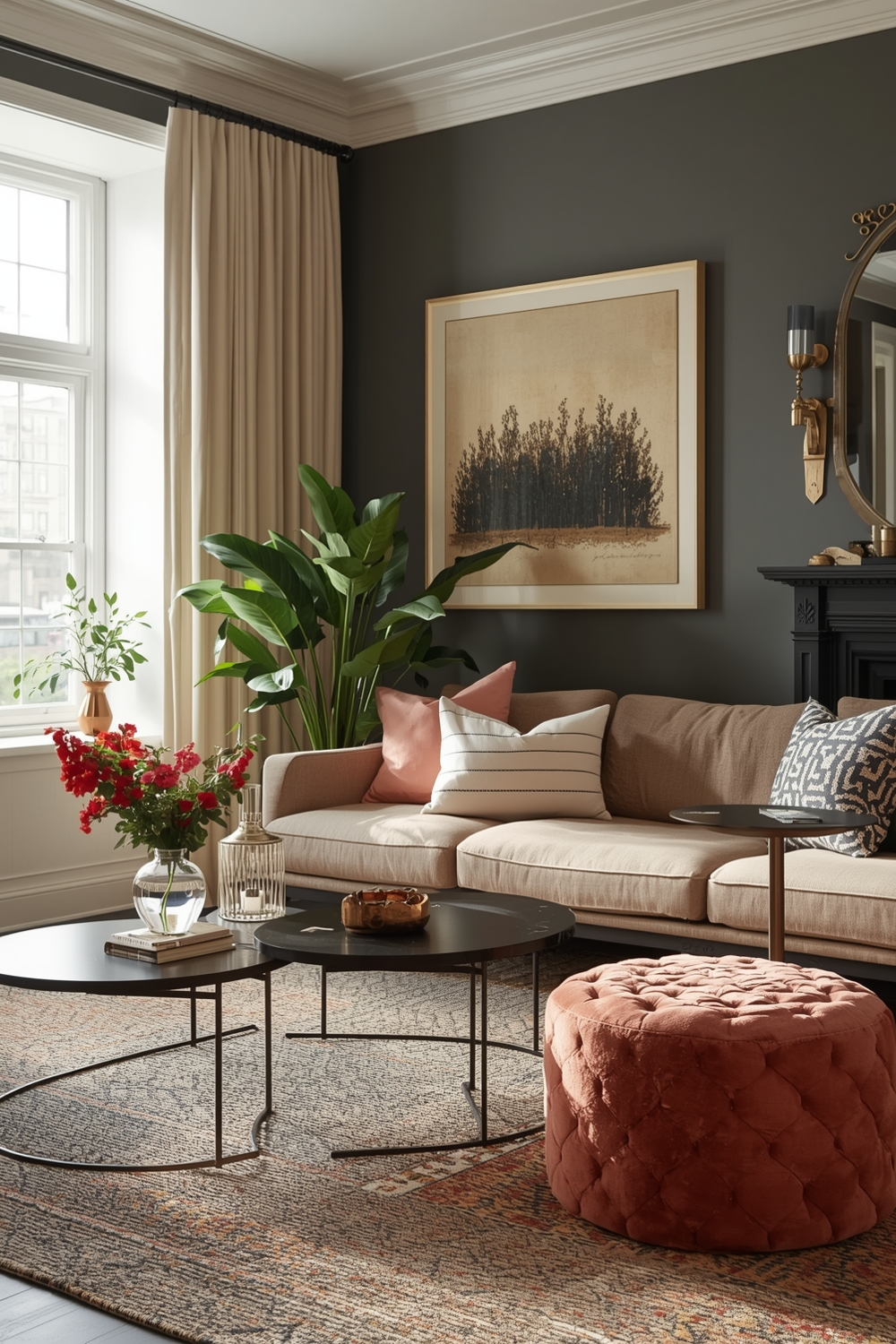
Today’s most sought-after two-tone kitchen cabinet colour pairings reflect both timeless appeal and contemporary flair. Navy blue paired with white remains a perennial favorite, offering nautical charm with modern elegance. Sage green combined with natural oak brings organic warmth that connects indoor spaces with nature.
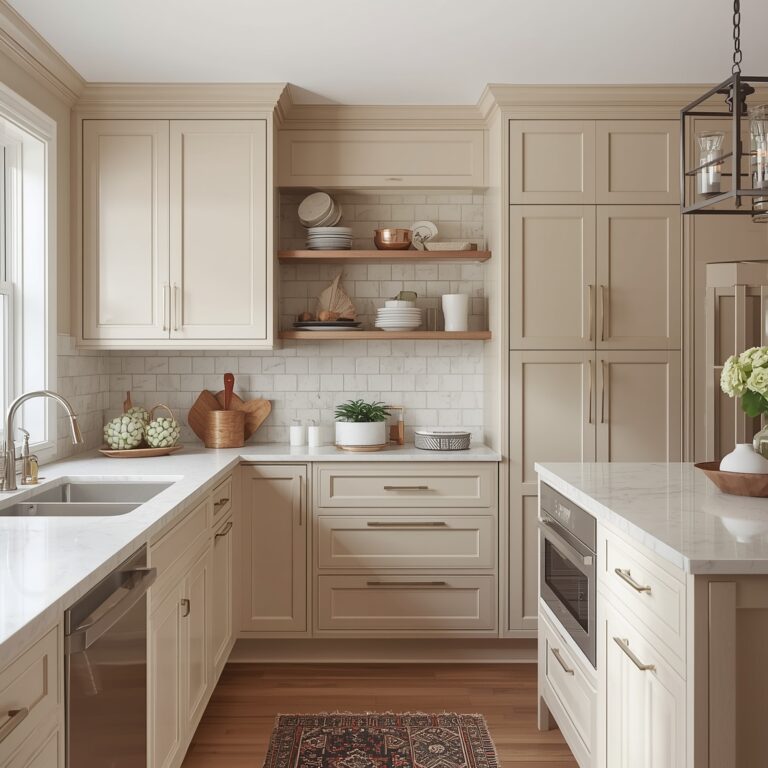
Charcoal gray matched with light beige creates sophisticated contrast without overwhelming the senses. For those seeking drama, black lower cabinets with white uppers deliver striking visual impact. These trending combinations for kitchen cabinets work beautifully across various design aesthetics, from farmhouse to ultra-modern minimalist kitchens.
Styling Upper & Lower Cabinets Differently
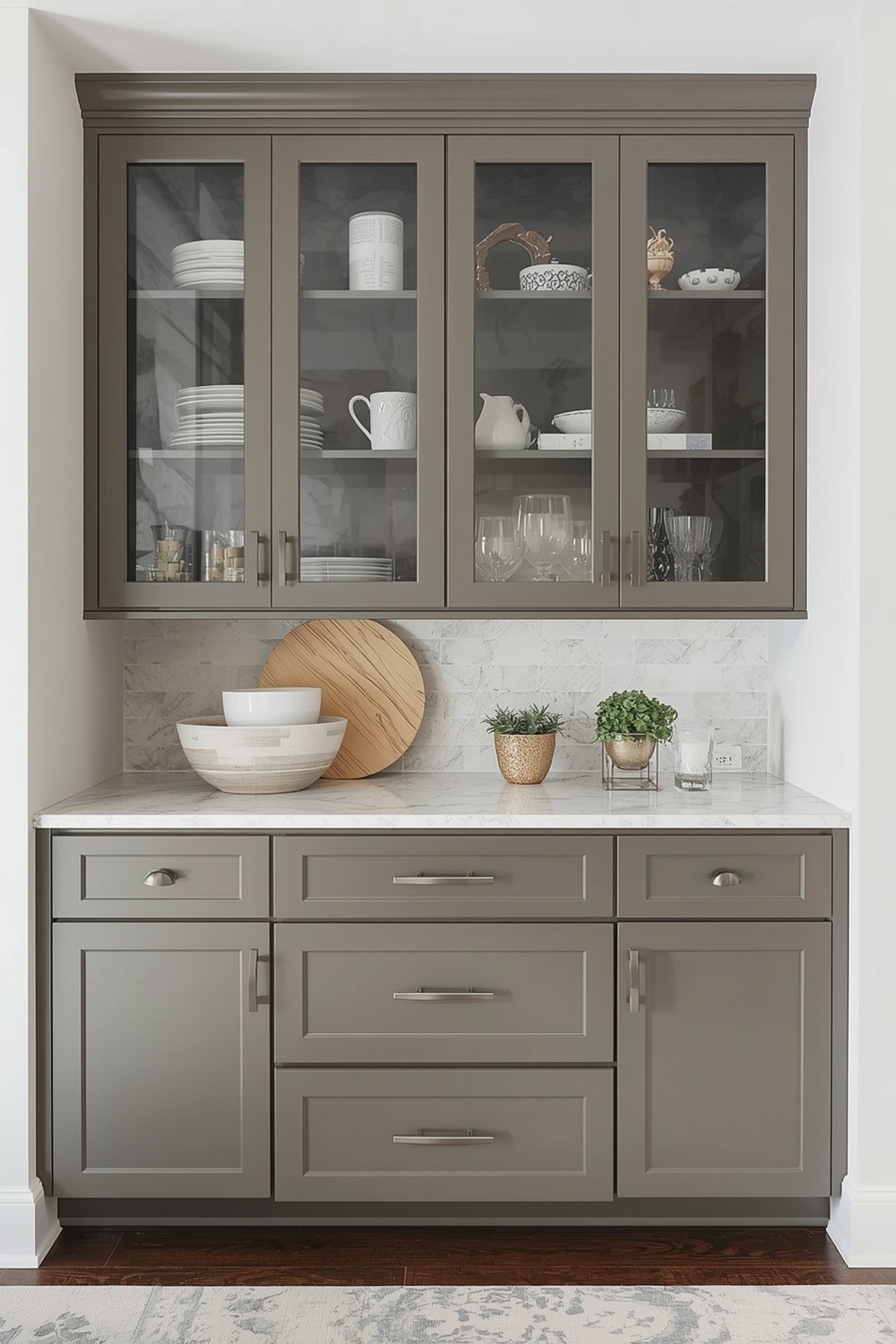
The classic approach to two-tone kitchen cabinet colour involves differentiating upper and lower cabinetry. Typically, darker shades ground the lower cabinets while lighter tones on upper cabinets create an airy, open feel. This vertical division naturally draws the eye upward, making ceilings appear higher and spaces feel more expansive.
Alternatively, reversing this pattern with light lowers and dark uppers creates a cozy, intimate atmosphere. The key is maintaining balance—ensuring neither section overwhelms the other. When styling kitchen cabinets this way, consider your room’s natural light and ceiling height to determine which configuration works best.
Pairing Cabinets with Countertops
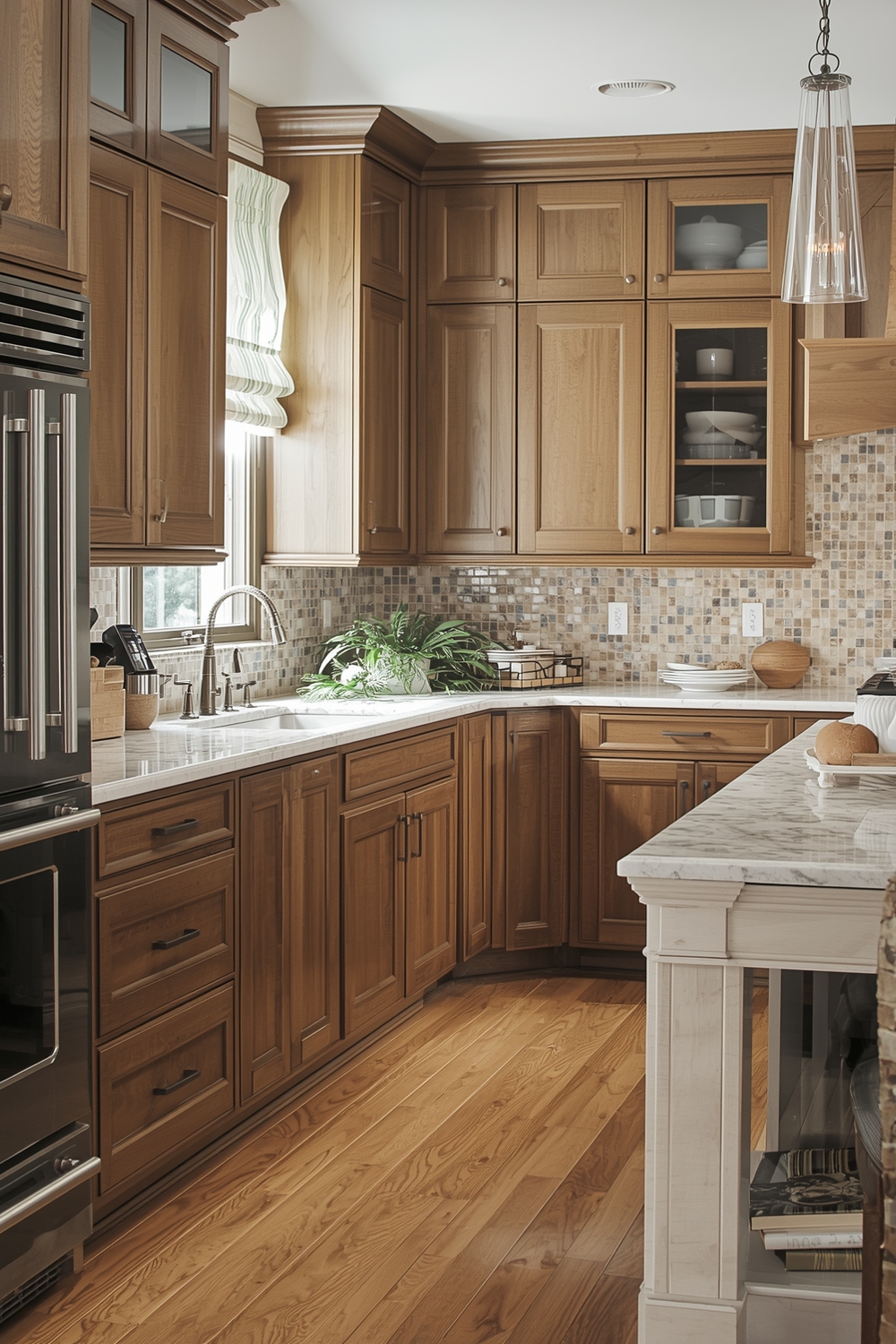
Selecting countertops that complement your two-tone kitchen cabinet colour scheme requires thoughtful coordination. Neutral countertops like white quartz or light granite provide a clean canvas that allows cabinet colors to shine. Conversely, dramatic veined marble or dark granite can serve as a third accent color, tying your two cabinet tones together seamlessly.
Butcher block countertops add warmth to cooler cabinet palettes, while concrete counters enhance industrial-style designs. The goal is creating cohesion—your countertop should bridge the transition between cabinet colors rather than compete with them. Well-chosen surfaces enhance your kitchen cabinets rather than distract from their beauty.
Mixing Cabinet Finishes
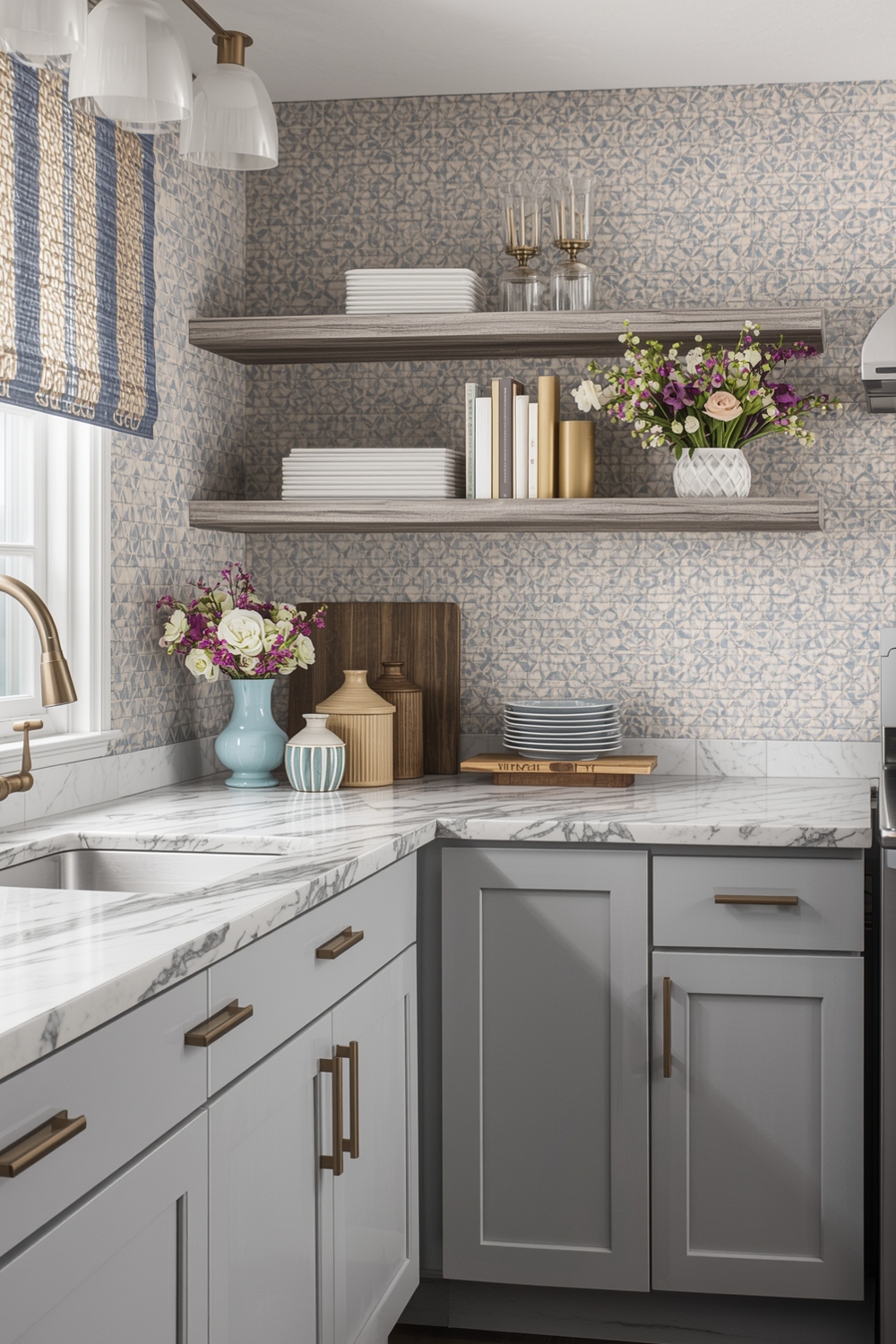
Beyond color, varying cabinet finishes adds another dimension to your two-tone kitchen cabinet colour design. Combining matte and glossy finishes creates textural contrast that catches light differently throughout the day. A satin finish on lower cabinets paired with high-gloss uppers reflects light beautifully, making smaller kitchens feel larger.
Distressed or antiqued finishes on one set of cabinets contrast beautifully with smooth, modern finishes on others, blending old-world charm with contemporary style. This technique works particularly well when mixing painted and stained kitchen cabinets, adding depth and character that pure color contrast alone cannot achieve.
Layering Wood and Paint
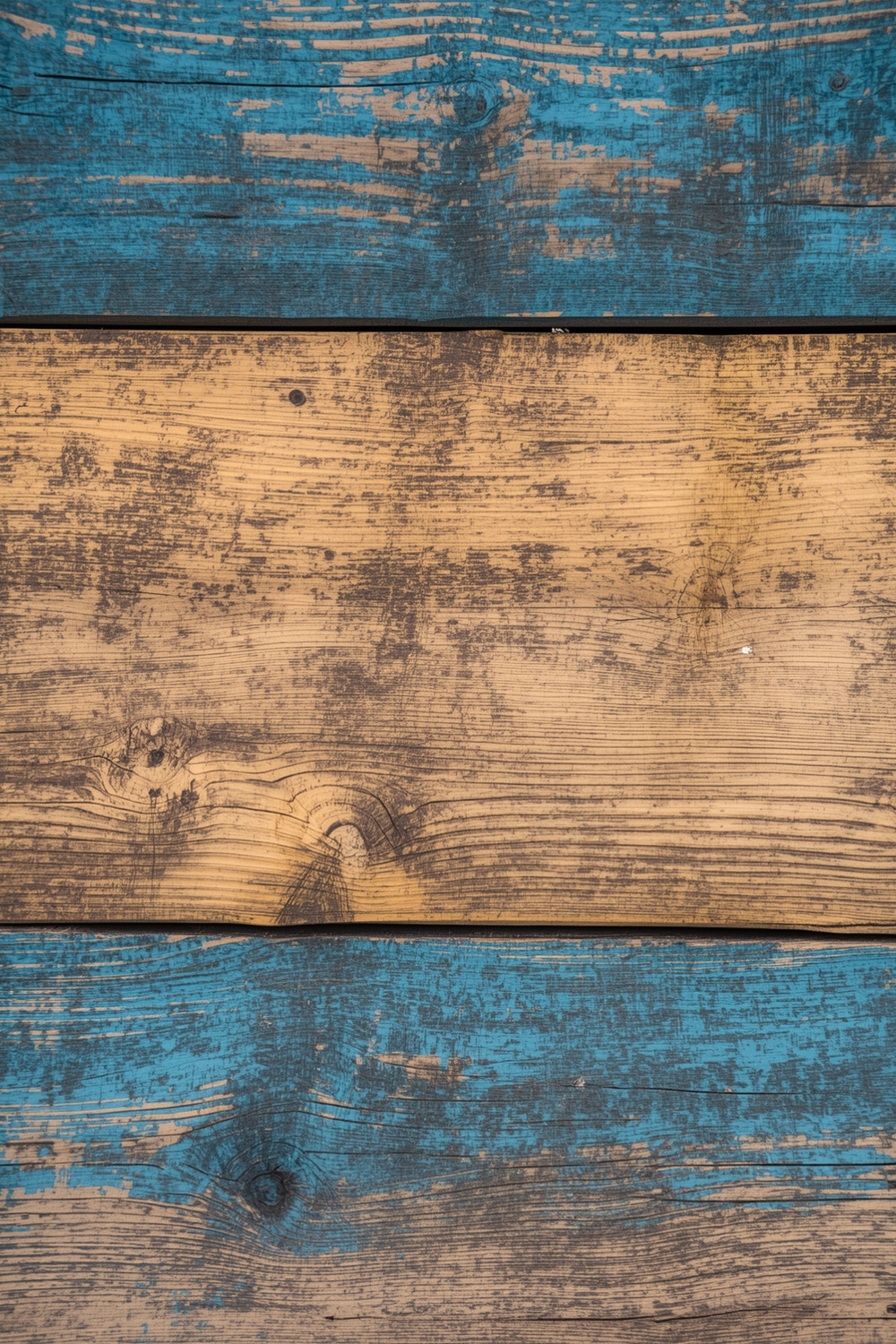
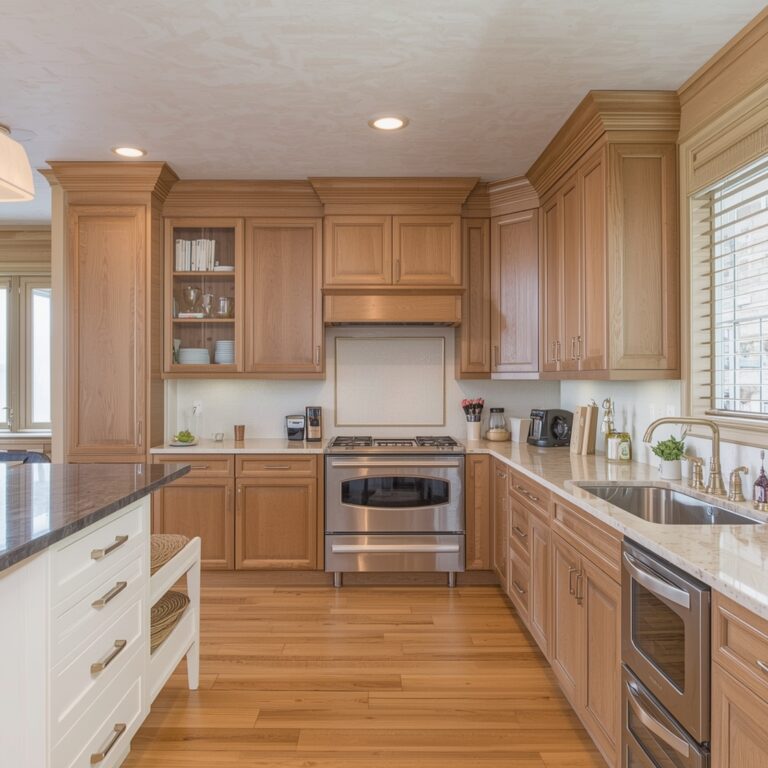
One of the most organic approaches to two-tone kitchen cabinet colour involves showcasing natural wood alongside painted surfaces. This combination brings warmth and authenticity to your kitchen while maintaining the visual interest of contrasting tones. Natural oak, walnut, or cherry wood grounds the space with earthy elegance, while painted cabinets in complementary hues provide fresh, modern appeal.
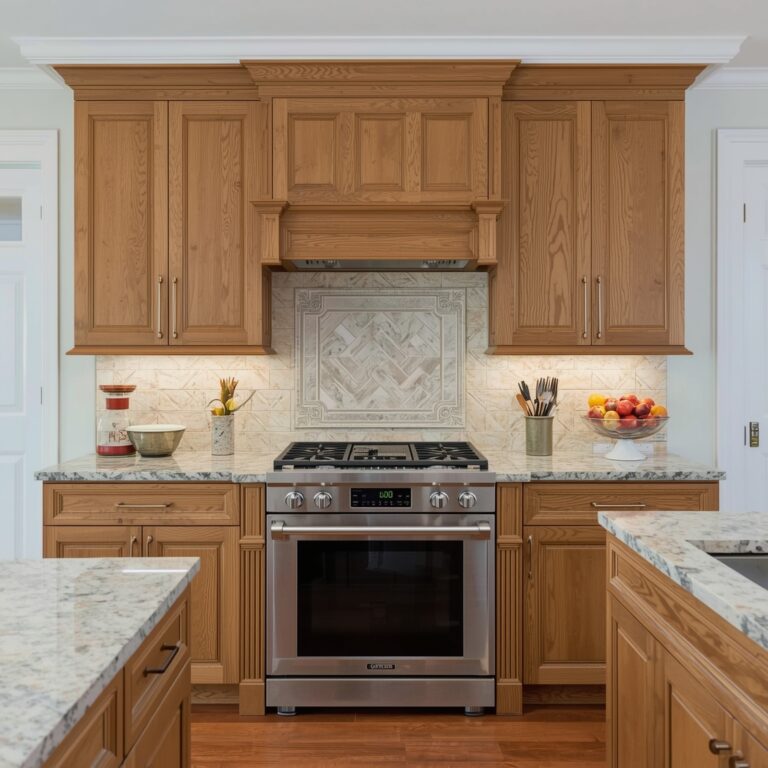
This pairing works exceptionally well in transitional kitchens that blend traditional and contemporary elements. The wood grain adds organic texture that softens painted surfaces, creating balance and harmony. Strategic placement of wood-toned kitchen cabinets on islands or base cabinets anchors the design beautifully.
Using Two-Tone Cabinets in Small Spaces
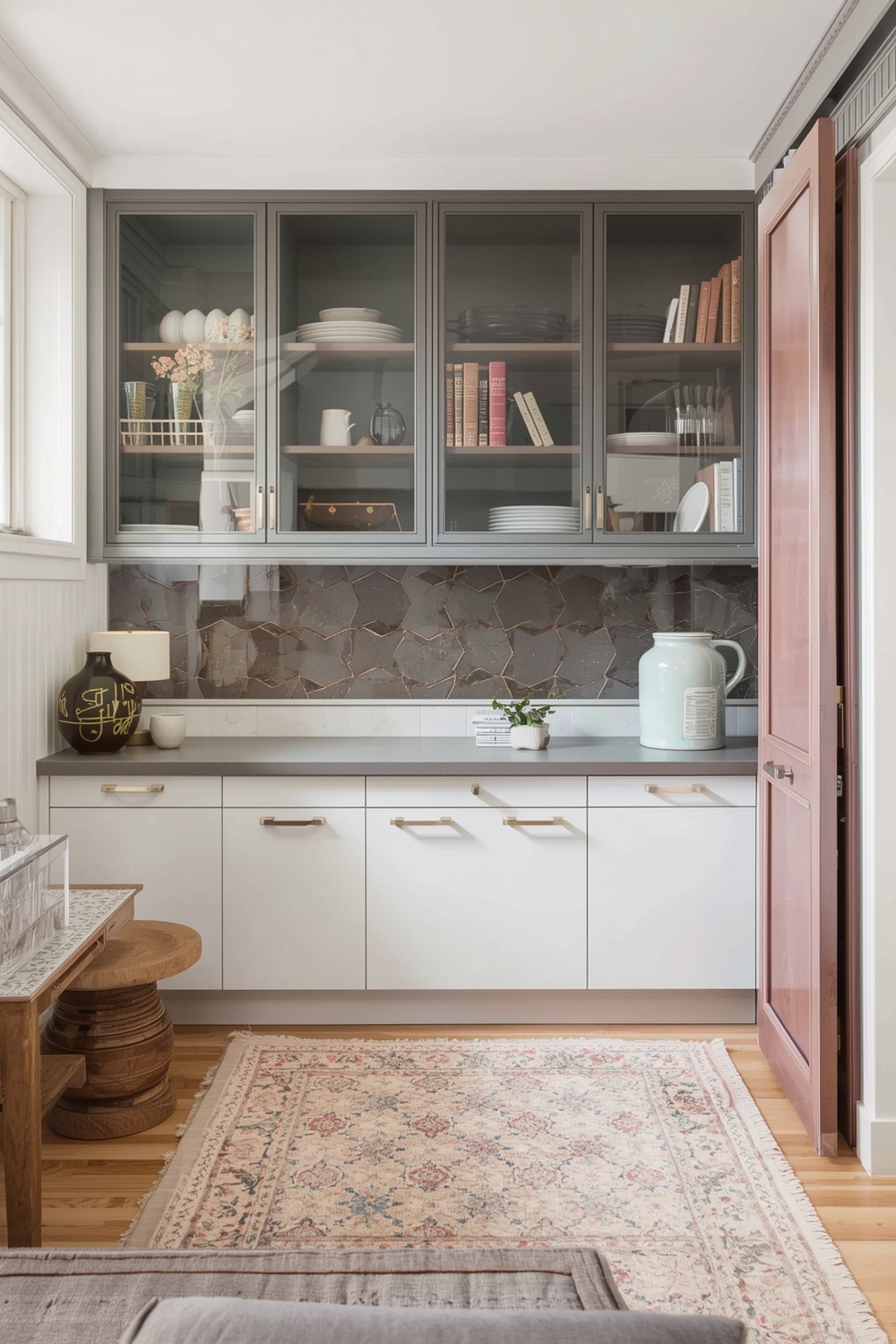
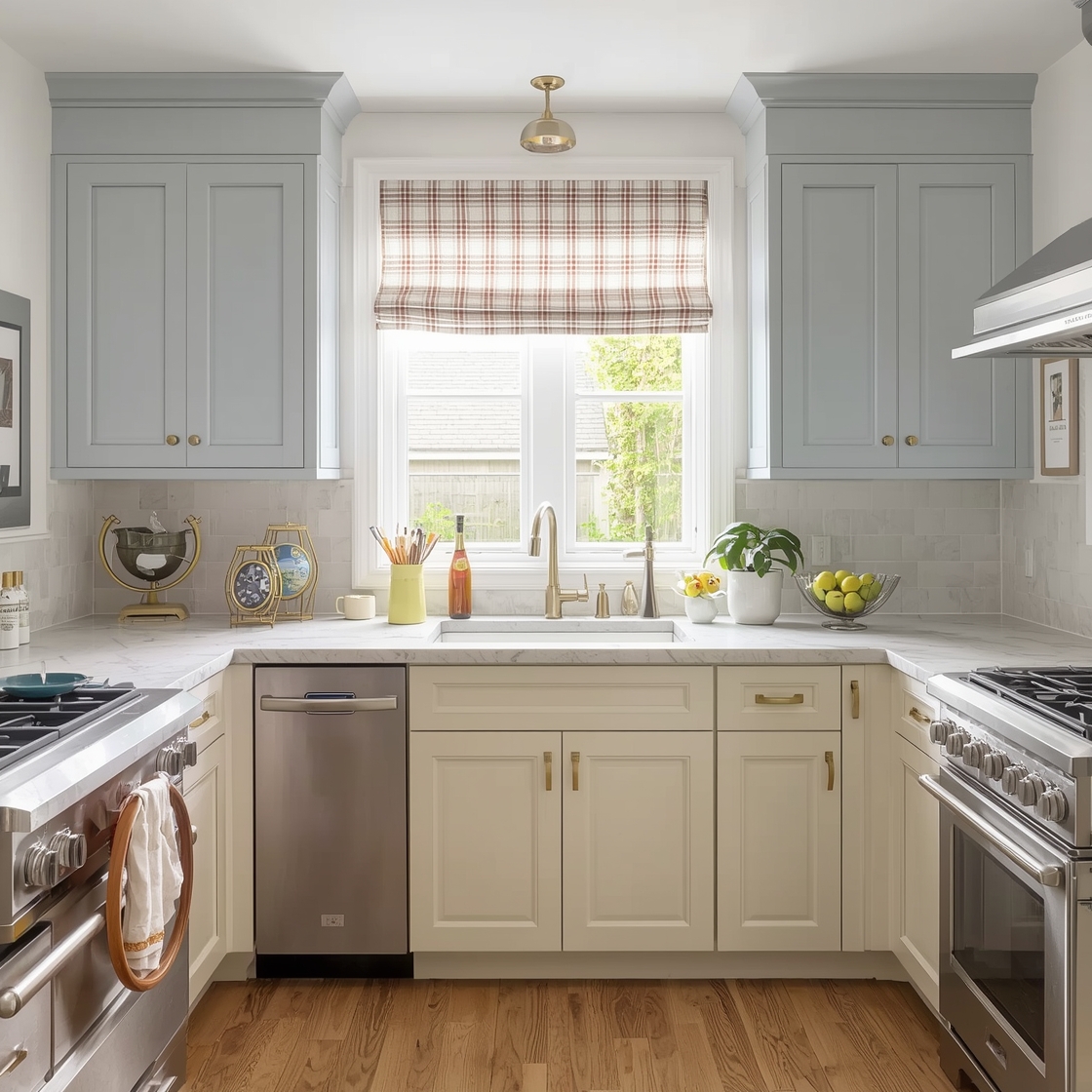
Implementing two-tone kitchen cabinet colour schemes in compact kitchens requires strategic planning to avoid overwhelming the space. Lighter shades on upper cabinets paired with slightly deeper tones below creates vertical flow that maximizes perceived space. Keeping color contrast subtle rather than dramatic prevents visual clutter in tight quarters.
Consider using the lighter shade for approximately 60-70% of cabinetry to maintain an open, airy feeling. Glass-front upper cabinets in your lighter tone further enhance spaciousness. When thoughtfully executed, two-toned kitchen cabinets can actually make small kitchens appear larger through clever visual division and strategic color placement.
Adding Statement Hardware

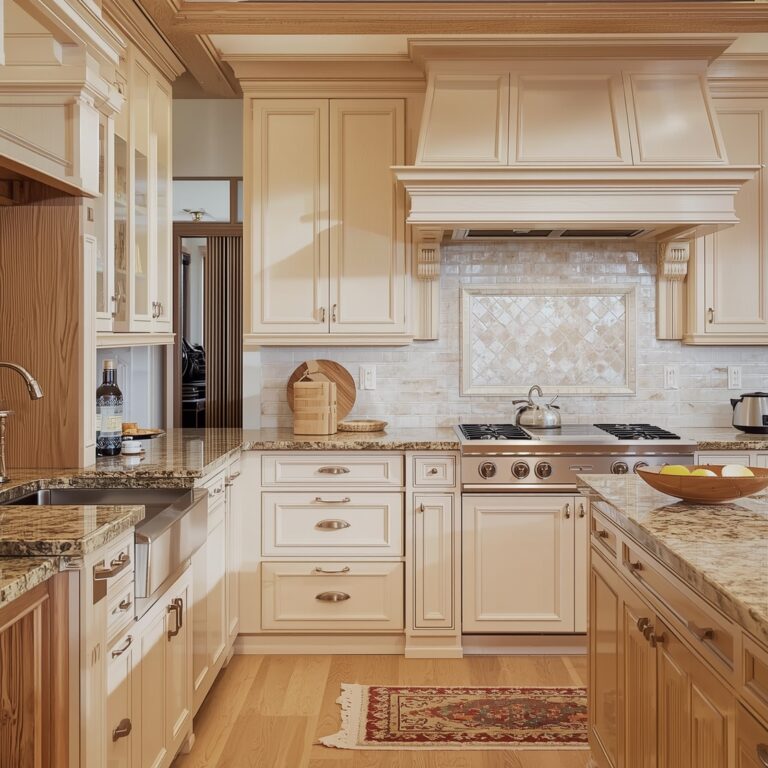
Cabinet hardware serves as jewelry for your two-tone kitchen cabinet colour design, pulling the entire look together. Coordinating finishes across both cabinet colors creates unity—brushed brass handles complement warm wood and cream combinations beautifully, while matte black hardware enhances modern contrasts like white and navy.
Alternatively, using different hardware styles for each cabinet color can emphasize the intentional separation of tones. Cup pulls on lower cabinets with knobs on uppers adds functional and aesthetic distinction. Quality hardware elevates even budget-friendly kitchen cabinets, transforming basic designs into sophisticated statements that reflect your attention to detail.
Choosing Color for Kitchen Islands
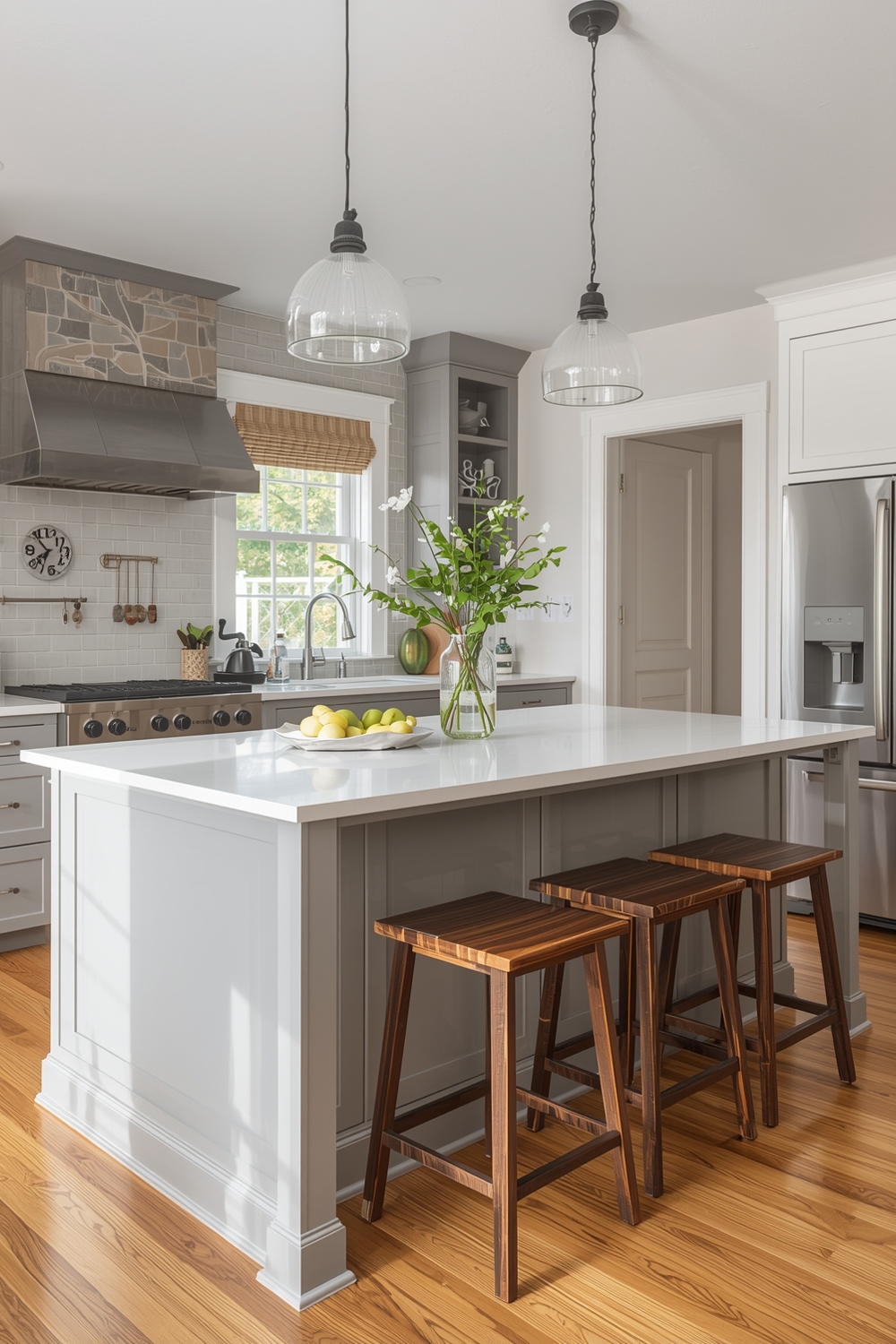
Kitchen islands present the perfect opportunity to introduce your bolder two-tone kitchen cabinet colour choice as a dramatic focal point. A navy, forest green, or charcoal island contrasts beautifully against lighter perimeter cabinets, anchoring the room with substance and style. This approach allows experimentation with trendy colors without overwhelming commitment.
The island becomes a statement piece that defines your kitchen’s personality while maintaining design flexibility. Conversely, a lighter island against darker perimeter kitchen cabinets creates an inviting centerpiece that draws people into the heart of your home, perfect for entertaining and family gatherings.
Styling Two-Tone Cabinets with Lighting
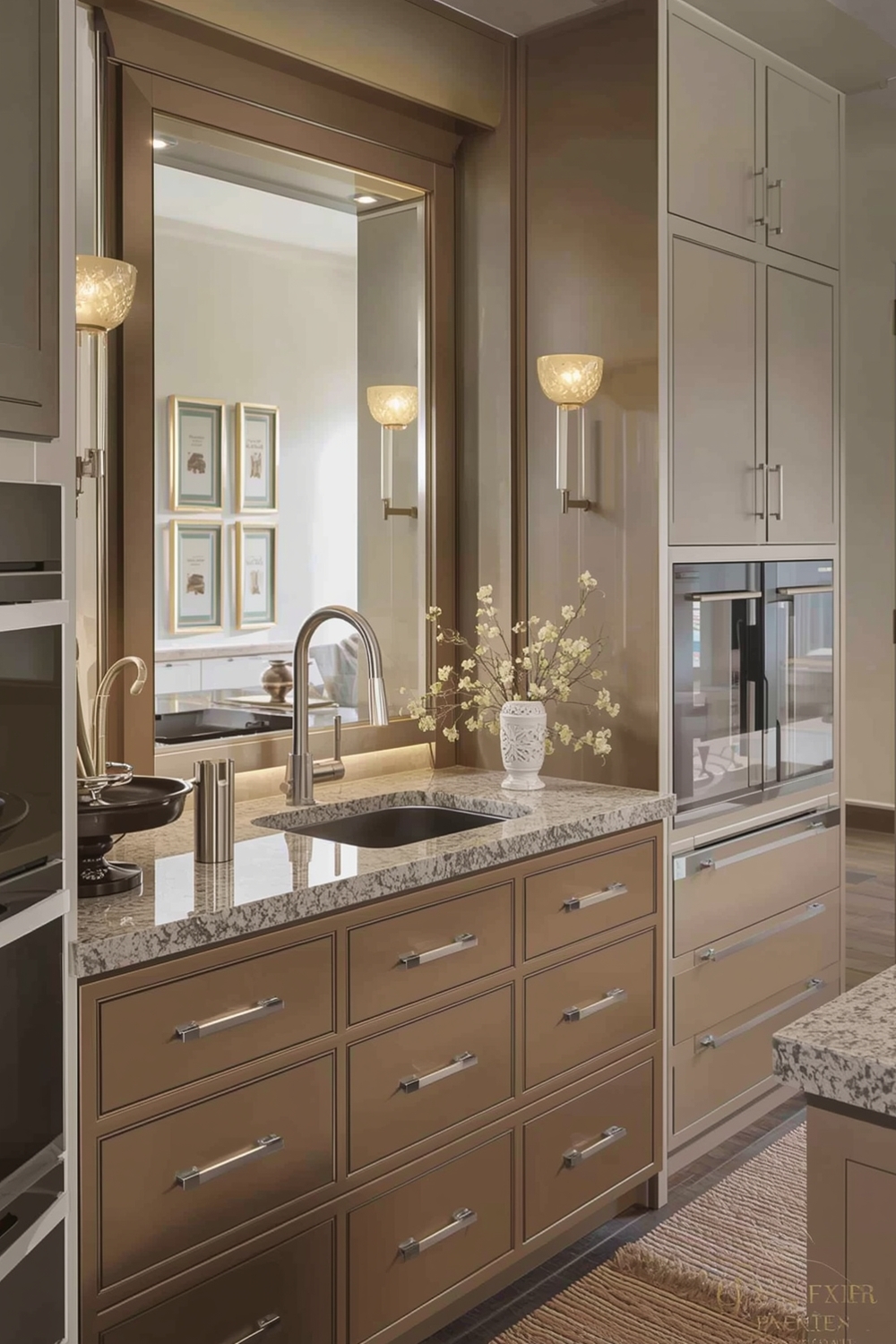
Proper lighting amplifies the beauty of your two-tone kitchen cabinet colour scheme dramatically. Under-cabinet lighting highlights countertops while accentuating the transition between upper and lower cabinet colors. Pendant lights above islands draw attention to that statement color choice.
Natural light affects color perception throughout the day, so test paint samples in various lighting conditions before committing. Warm LED lights enhance wood tones and warm-colored kitchen cabinets, while cooler lighting complements grays and blues. Strategic lighting placement ensures both cabinet colors appear vibrant and intentional, preventing either tone from appearing muddy or washed out.
Seasonal Decor Tips
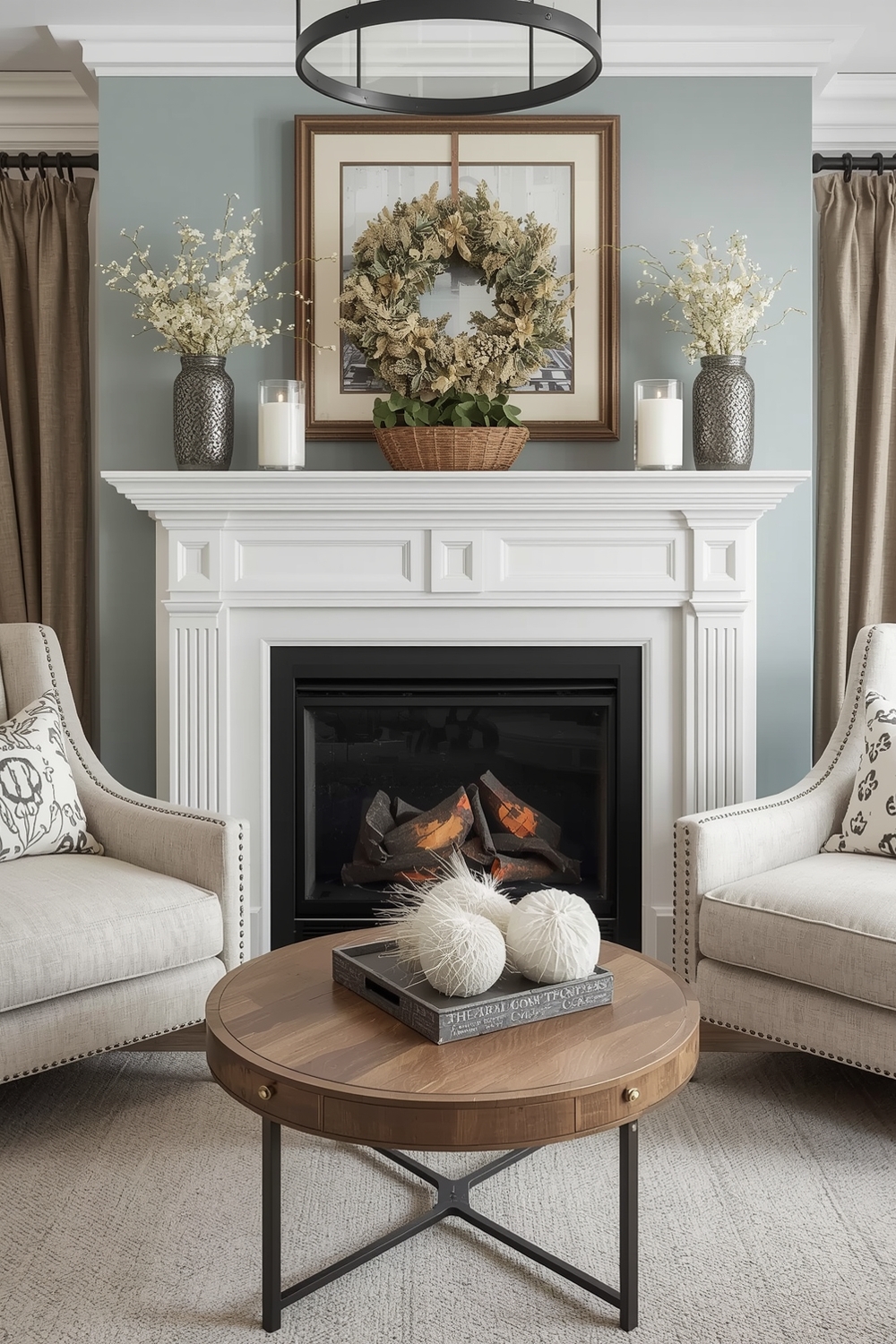
Your two-tone kitchen cabinet colour scheme provides an excellent backdrop for seasonal decorating without requiring major changes. In autumn, copper accessories and warm textiles complement wood-toned cabinets beautifully. Winter calls for silver accents and evergreen touches that pop against painted surfaces.
Spring and summer invite fresh flowers and bright dishware that celebrate lighter cabinet tones. The neutral foundation of well-chosen cabinet colors allows seasonal transitions without clashing. Open shelving sections of your kitchen cabinets become natural display areas for rotating seasonal decor, keeping your kitchen feeling fresh and current throughout the year.
Open Shelving & Two-Tone Cabinets
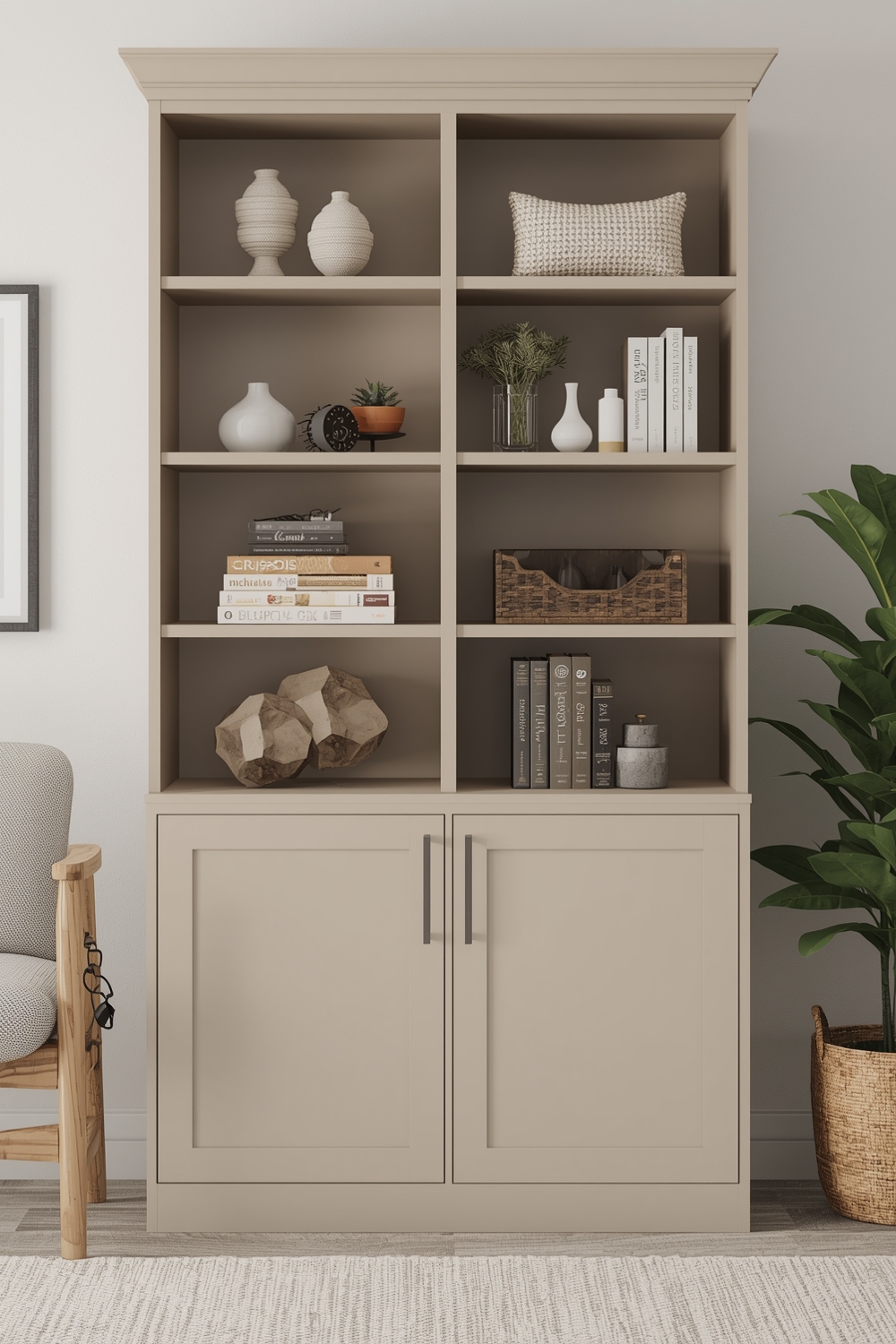
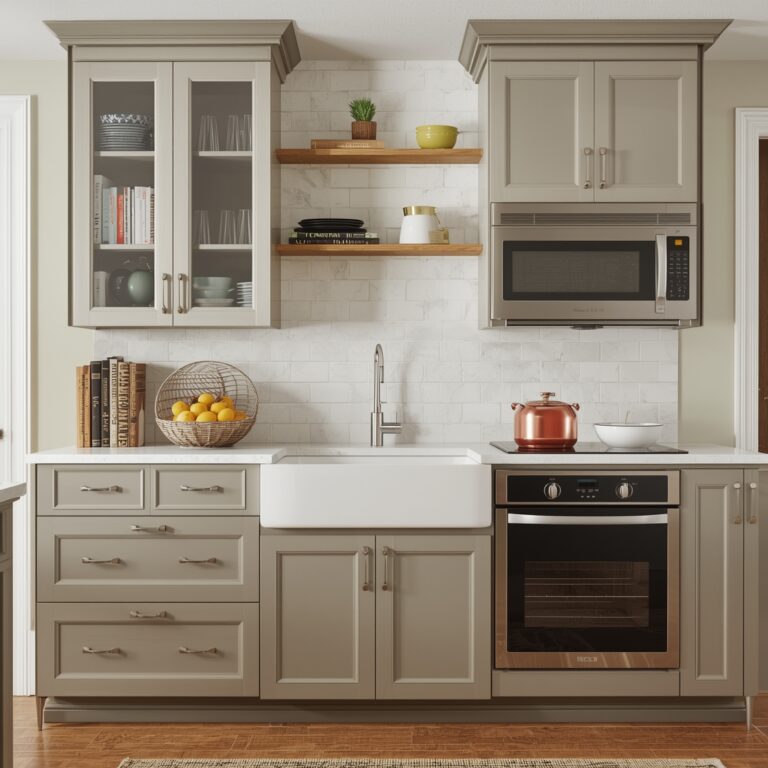
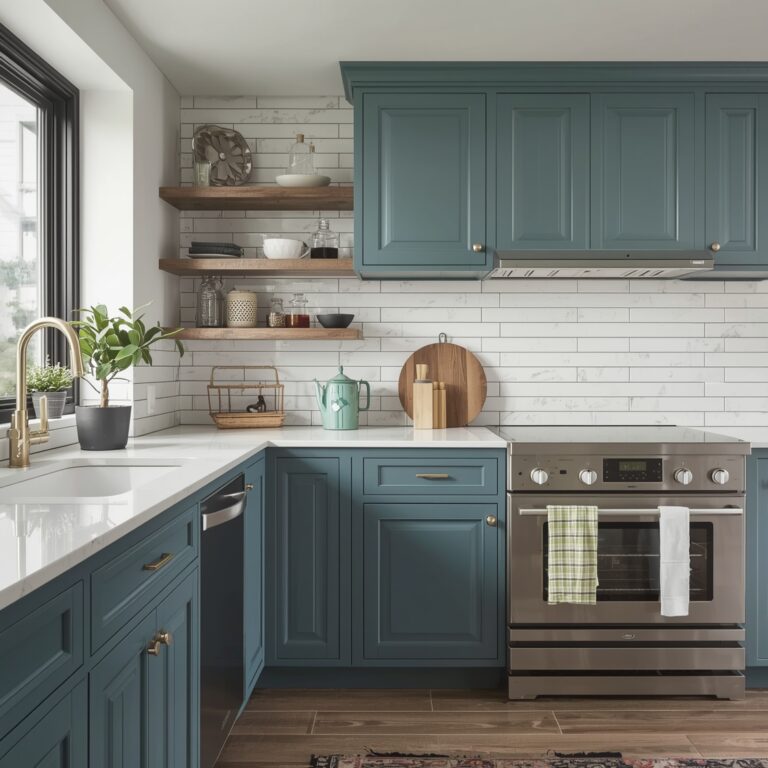
Incorporating open shelving with your two-tone kitchen cabinet colour design adds another layer of visual interest and functional display space. Floating shelves in natural wood bridge painted cabinet colors, creating seamless transitions. Positioning open shelves between upper and lower cabinets breaks up color blocks, preventing overwhelming uniformity.
These shelves showcase beautiful dishware, cookbooks, and decorative items that complement your color palette. The openness provides breathing room within the design, balancing the solidity of closed kitchen cabinets. This combination of open and closed storage offers both practical function and aesthetic appeal, particularly in kitchens embracing farmhouse or Scandinavian design influences.
Mixing Contemporary & Traditional Styles
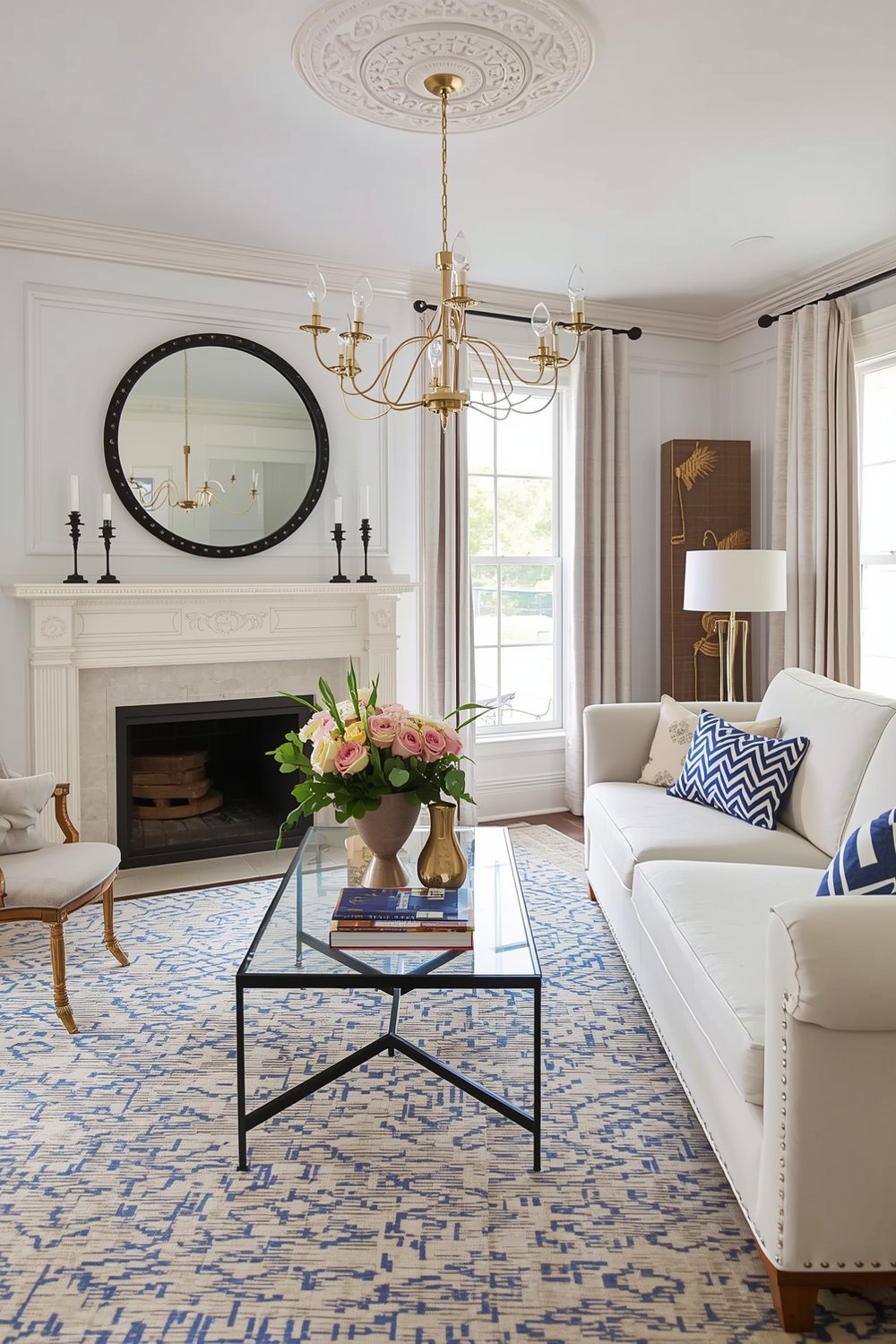
A two-tone kitchen cabinet colour approach beautifully bridges contemporary and traditional design sensibilities. Shaker-style cabinets in classic white paired with sleek, flat-panel cabinets in charcoal creates intriguing style fusion. Traditional crown molding on upper cabinets contrasts with minimalist lower cabinets for sophisticated eclecticism.
This mixing prevents your kitchen from feeling too formal or too stark, achieving comfortable elegance that feels both current and timeless. The color differentiation naturally distinguishes stylistic elements, making the combination feel intentional rather than confused. Your kitchen cabinets become a curated collection that reflects evolving taste rather than adherence to a single rigid aesthetic.
Two-Tone Cabinet Layout Ideas
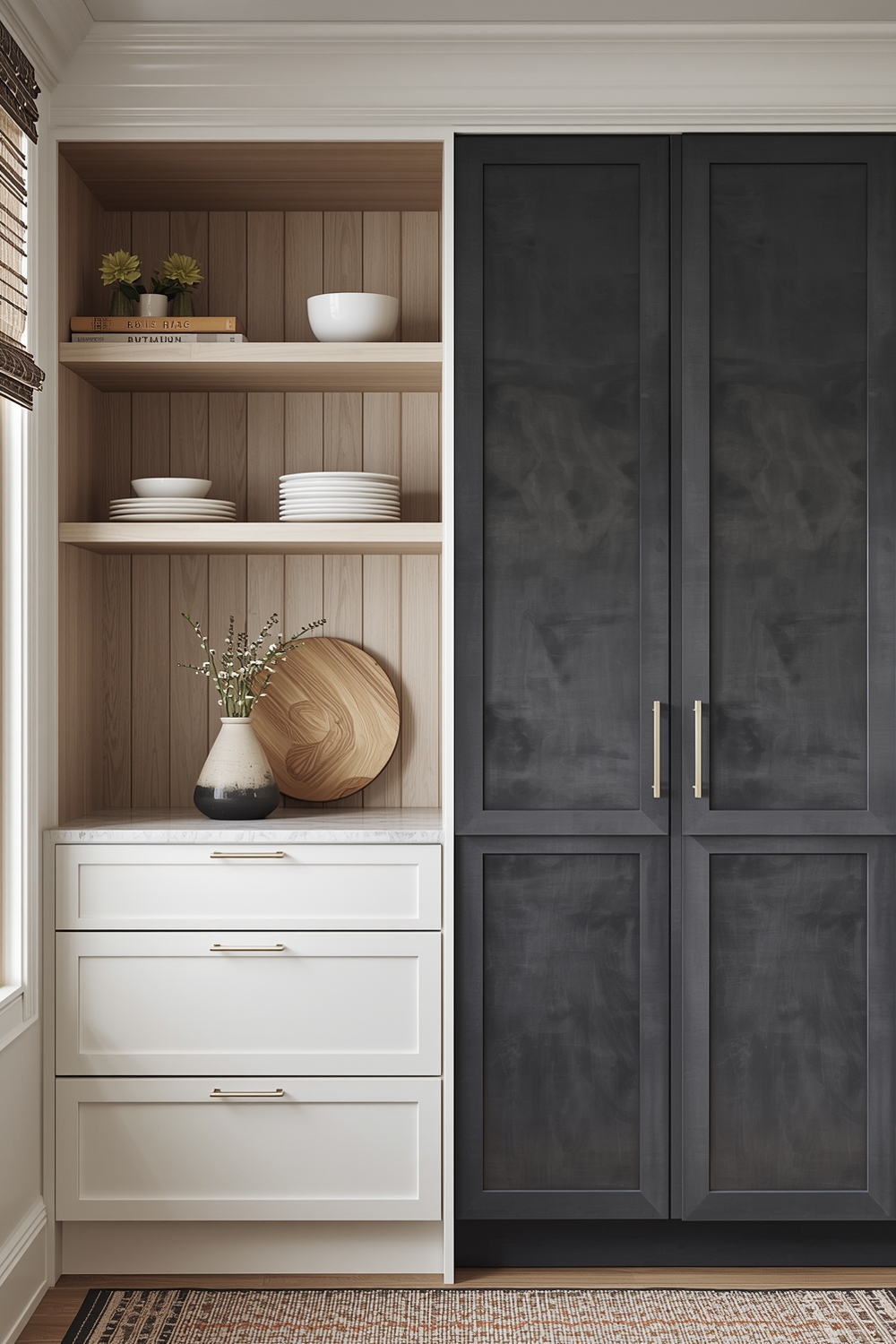
Strategic layout planning maximizes the impact of your two-tone kitchen cabinet colour design. The L-shaped kitchen benefits from color transitions at the corner, naturally dividing work zones. Galley kitchens can feature one color on each wall, creating balanced symmetry.
U-shaped layouts allow the back wall to showcase the bolder color while side walls remain lighter, drawing focus to the primary workspace. Perimeter cabinets in one tone with a contrasting island creates clear functional zones. Consider which areas receive the most visual attention and use your preferred color accordingly. Thoughtful layout of your kitchen cabinets ensures the design feels cohesive rather than randomly distributed.
Using Two-Tone Cabinets to Enhance Space
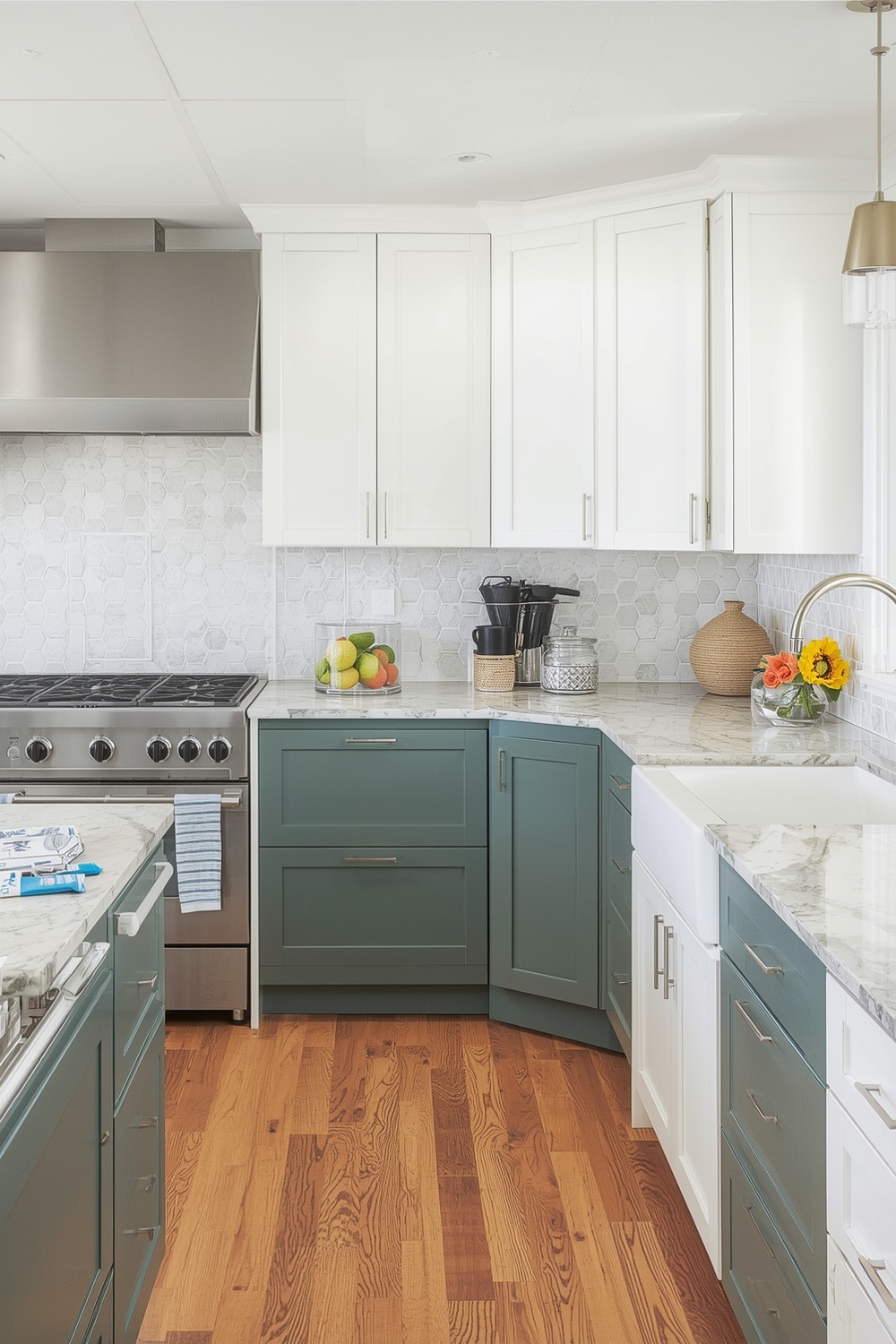
The right two-tone kitchen cabinet colour combination fundamentally transforms how your kitchen space feels and functions. Lighter upper cabinets paired with darker lowers creates visual grounding while maintaining airiness above. This vertical color graduation mimics nature—darker earth tones below, lighter sky tones above—which feels inherently balanced to the human eye.
In kitchens with low ceilings, extending lighter cabinet colors upward draws the eye, making ceilings appear higher. Conversely, high ceilings benefit from darker uppers that bring proportions down to comfortable scale. Your kitchen cabinets become architectural tools that reshape spatial perception beyond their functional storage purpose.
How This Idea Improves Your Space
Implementing a two-tone kitchen cabinet colour scheme dramatically improves your kitchen’s visual appeal and functionality. This design approach creates natural focal points that guide the eye through the space, making navigation intuitive and pleasant. Color differentiation helps define work zones—cooking, cleaning, and prep areas—without physical barriers.
The contrast prevents design monotony, keeping your kitchen visually engaging even after years of daily use. Property value increases as modern buyers appreciate updated kitchen cabinets that demonstrate thoughtful design. Most importantly, this personalized approach creates a kitchen that truly reflects your style, making your space feel uniquely yours.
Budget-Friendly Tips
Achieving a stunning two-tone kitchen cabinet colour look doesn’t require complete cabinet replacement. Paint existing cabinets yourself, starting with lower cabinets in your bolder color choice while keeping uppers as-is for immediate transformation. Replace cabinet doors only on focal areas like islands while painting others.
Shop for discounted paint from home improvement stores’ mis-tint sections for significant savings on quality products. Update hardware first—this affordable change often provides enough contrast without repainting all kitchen cabinets.
Conclusion
The two-tone kitchen cabinet colour trend offers endless possibilities for creating a kitchen that’s both functional and beautiful. By thoughtfully combining colors, finishes, and layouts, you craft a space that reflects your personal style while enhancing your home’s value. Whether you prefer subtle elegance or bold contrast, this design approach transforms ordinary kitchen cabinets into extraordinary focal points that elevate your entire home.
FAQs
What are the most popular two-tone kitchen cabinet colour combinations?
Navy blue with white, sage green with natural wood, charcoal gray with cream, and black with white remain top choices for their versatility and timeless appeal.
Should upper or lower cabinets be darker in a two-tone kitchen?
Typically, darker lower cabinets with lighter uppers create grounded balance and make spaces feel larger, though reversing this can create cozy intimacy depending on your preference.
How do I choose colors that complement my countertops?
Select cabinet colors that either match your countertop’s undertones or provide intentional contrast—neutral countertops offer maximum flexibility with cabinet color choices.
Can two-tone cabinets work in small kitchens?
Absolutely—using lighter shades for 60-70% of cabinetry with subtle contrast prevents overwhelming small spaces while adding visual interest and depth.
What’s the best way to transition between two cabinet colors?
Natural breaks like corners, islands, or open shelving create seamless transitions, while maintaining consistent hardware and countertops unifies the overall design.