Introduction
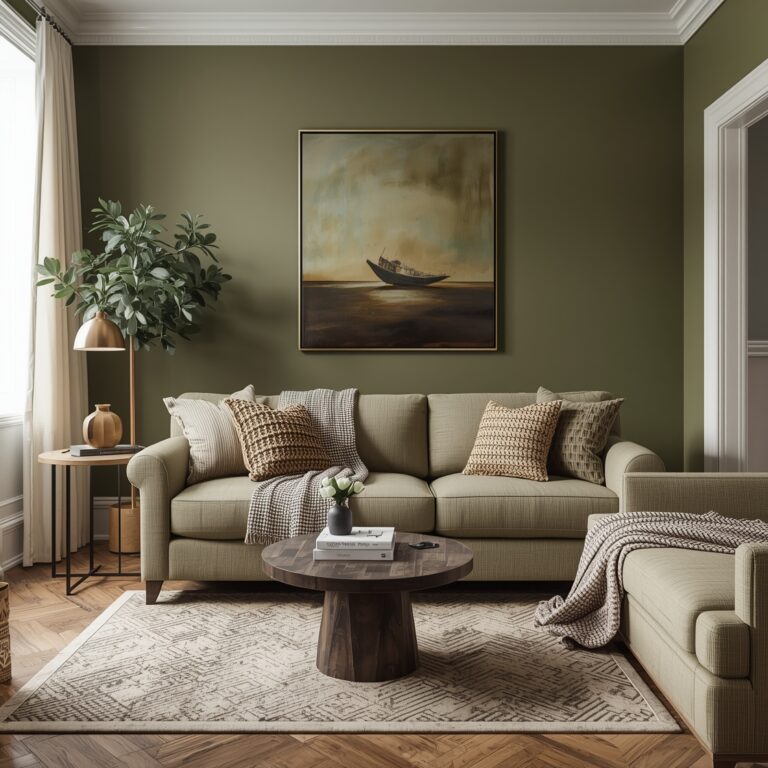
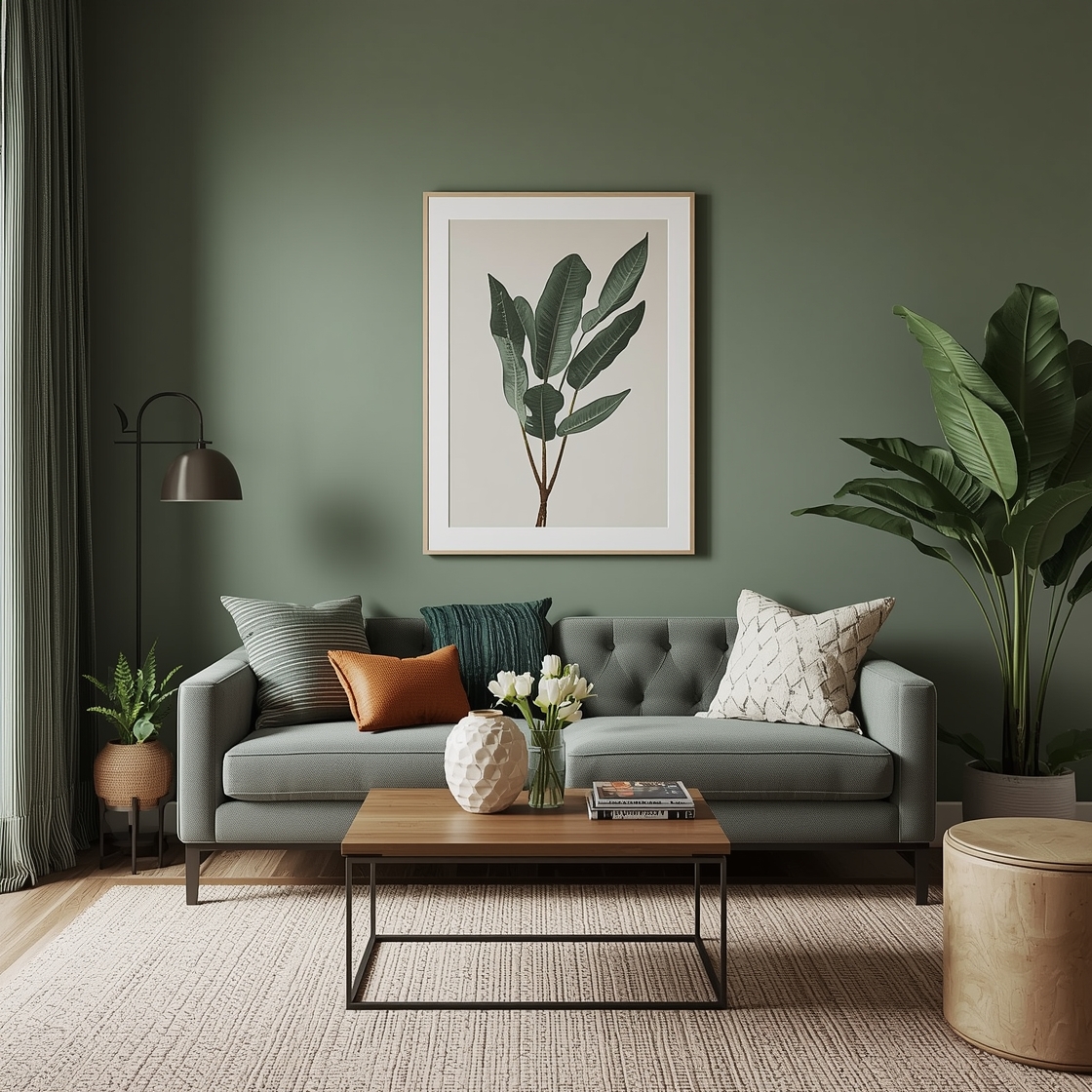
Sage green has emerged as one of the most versatile and calming colors in interior design. If you’re exploring colours that go with sage green home decor, you’re in for a treat. This muted, earthy tone pairs beautifully with a wide spectrum of hues, from soft neutrals to bold accents.
Whether you’re refreshing a single room or redesigning your entire home decor, understanding color harmony is essential. Sage green creates a serene backdrop that complements both modern and traditional aesthetics, making it a timeless choice for any space.
Home Decor Colors to Pair With Sage Green
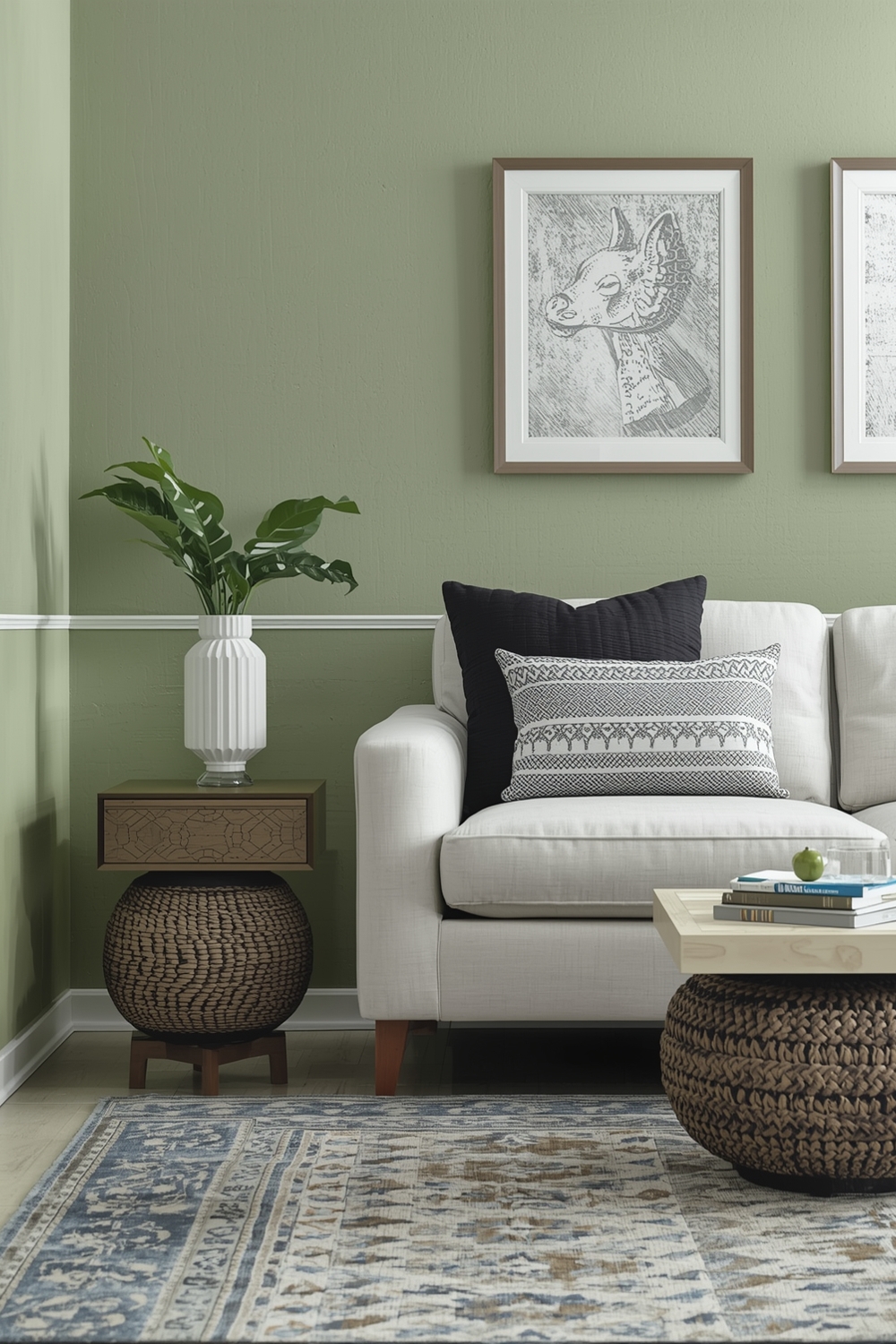
When selecting colours that go with sage green home decor, consider both contrast and cohesion. Warm whites and creamy beiges create a soft, organic feel that enhances sage’s natural undertones. Dusty rose and blush pink add a romantic touch, while terracotta and burnt orange bring warmth and energy.
Navy blue and charcoal gray offer sophisticated contrast, perfect for creating depth. Gold and brass metallics elevate sage with a luxurious shimmer. For a fresh, airy vibe, pair sage with crisp white or soft ivory, allowing the green to take center stage in your design scheme.
Sage Green & Natural Elements
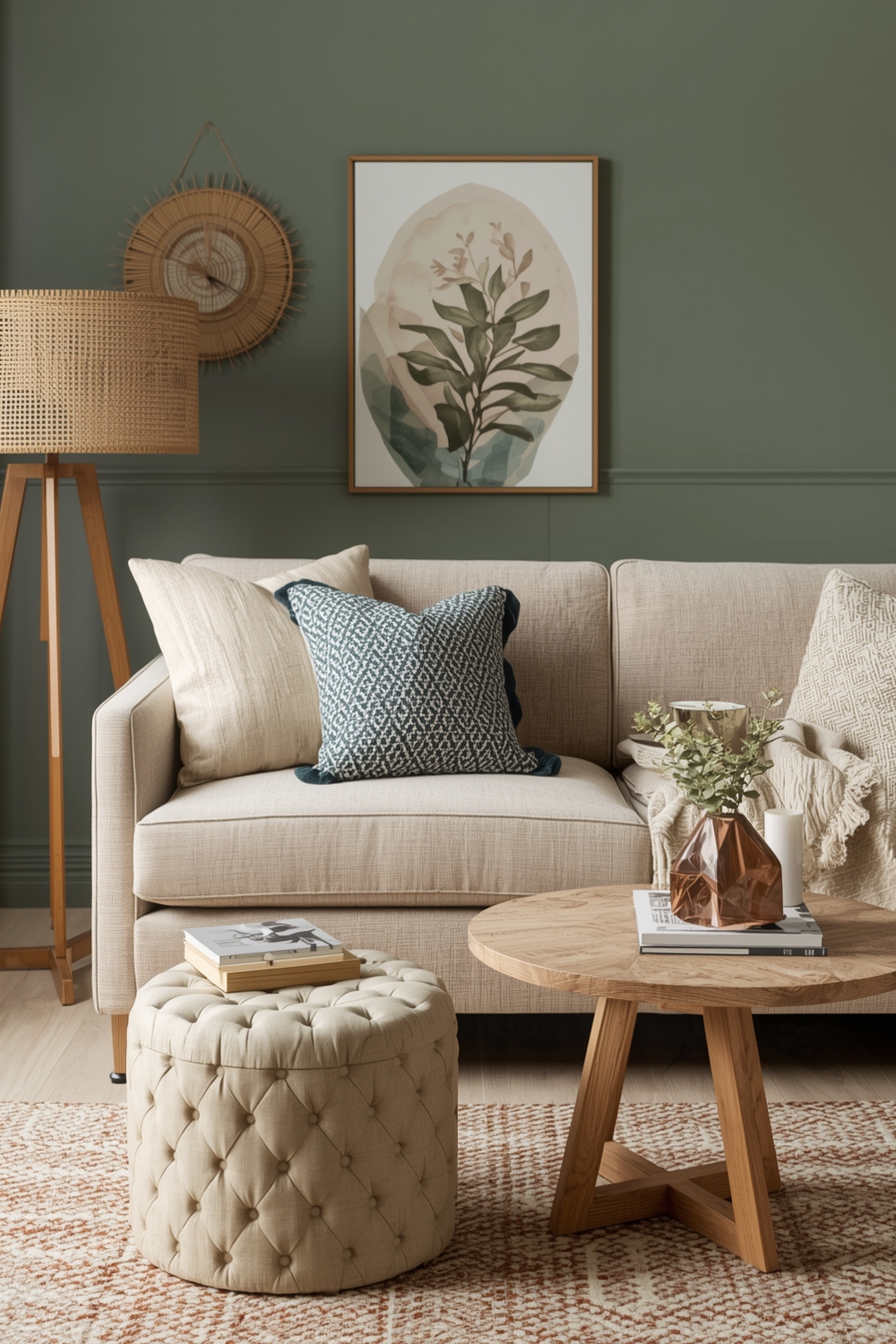
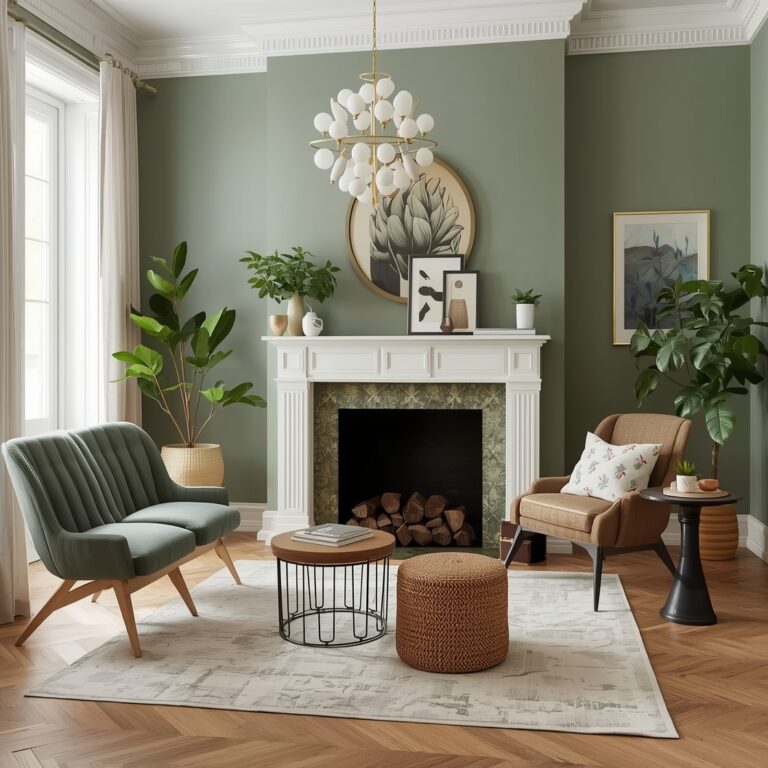
Incorporating natural materials amplifies the organic beauty of sage green in your space. Wood tones—from light oak to rich walnut—complement sage beautifully, creating an earthy, grounded atmosphere. Rattan, jute, and wicker textures enhance the botanical feel, making rooms feel more connected to nature.
Stone and marble elements in cream or gray tones work wonderfully alongside sage walls or furniture. These natural pairings create a cohesive, spa-like environment that feels both sophisticated and relaxing, perfect for creating a sanctuary within your home.
Accents That Pop With Sage
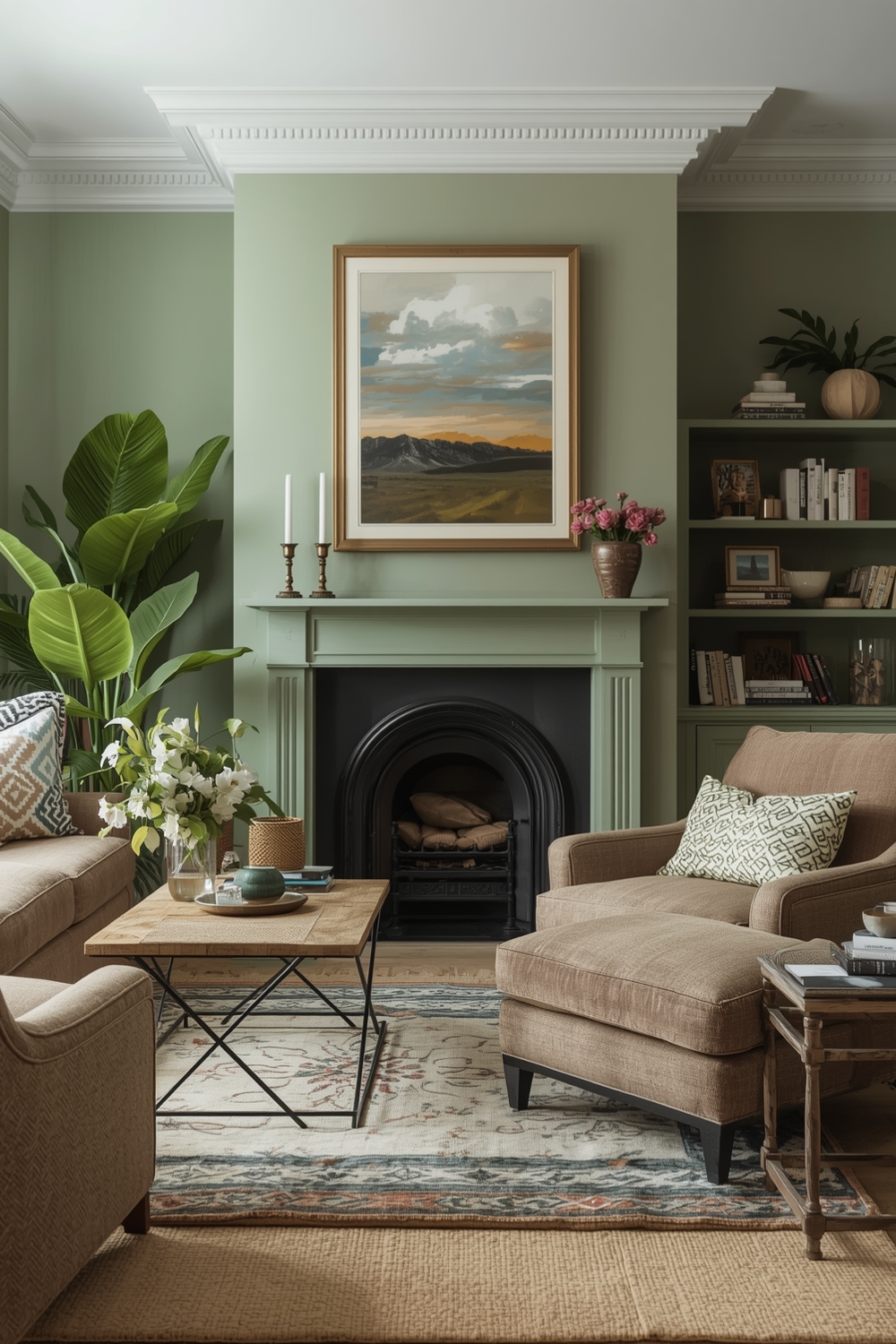
While sage green is inherently calming, strategic accent colors can add personality and visual interest. Mustard yellow creates an unexpected yet harmonious pairing that energizes neutral sage spaces. Deep plum and eggplant purple add richness and drama without overwhelming the softness of sage.
Coral and peach tones bring warmth and playfulness, ideal for eclectic or bohemian interiors. For those who prefer subtle sophistication, soft gray-blue or powder blue accents maintain the tranquil atmosphere while adding depth and dimension to your color palette.
Painting Tips for Sage Interiors
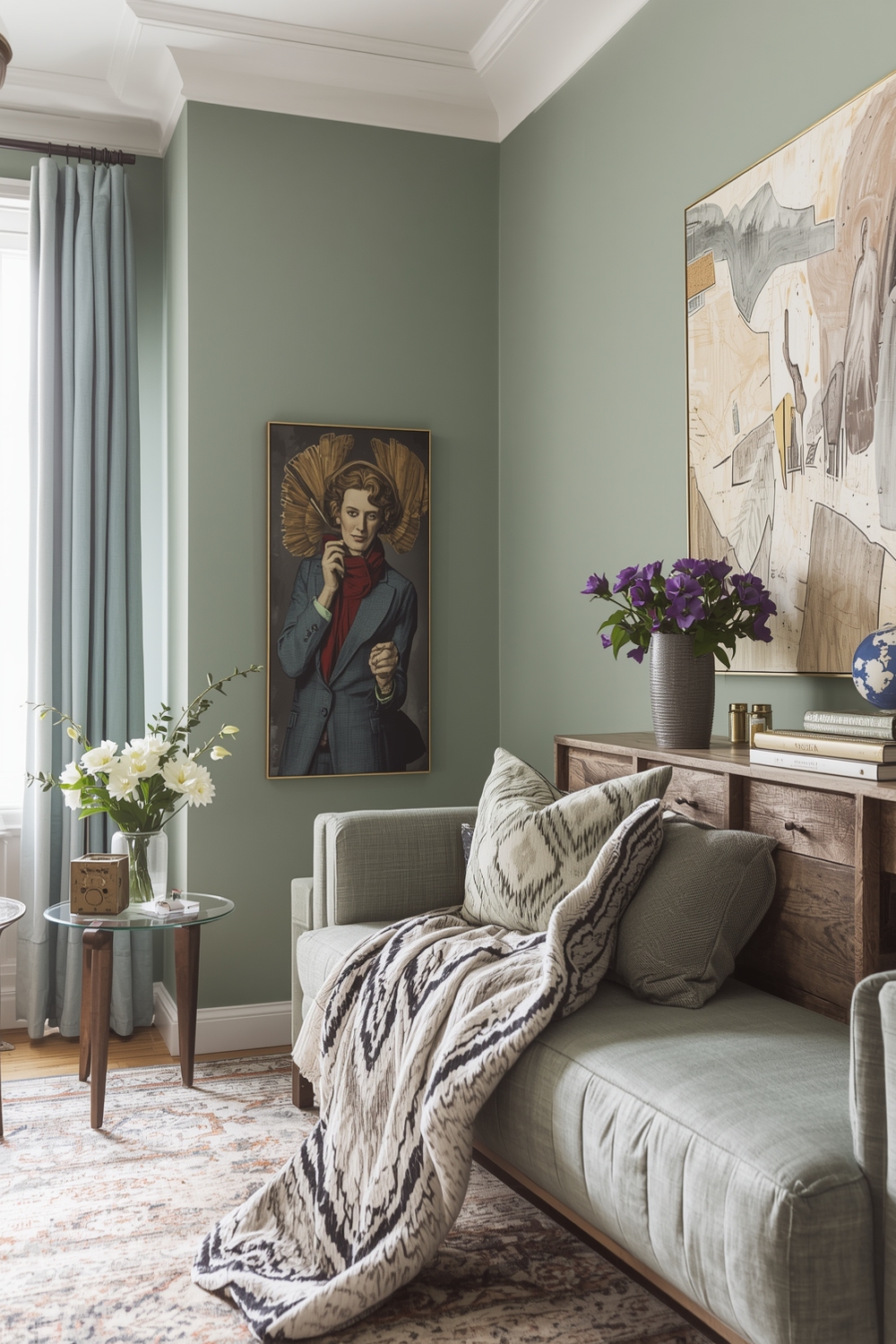
When painting with sage green, lighting plays a crucial role in how the color appears. Test paint samples in different areas of your room, observing them in morning, afternoon, and evening light. North-facing rooms may require warmer sage tones, while south-facing spaces can handle cooler variations.
Consider using sage on a feature wall rather than all four walls if you’re hesitant about commitment. Pair sage walls with white or cream trim to create clean definition. Matte finishes enhance sage’s natural, earthy quality, while satin finishes add subtle elegance to kitchen and bathroom spaces.
Styling With Sage Green Fabrics
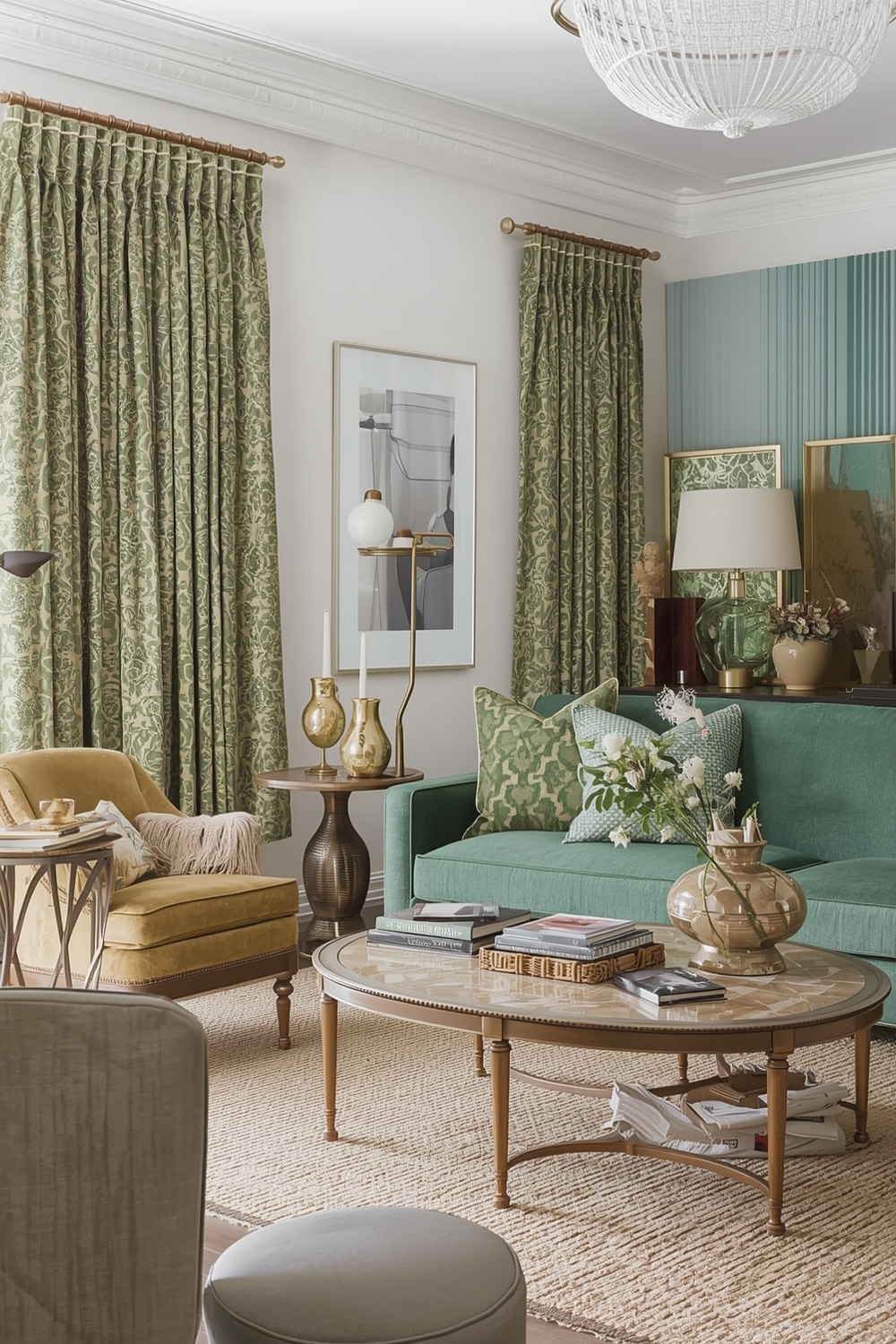
Sage green textiles offer flexibility in introducing this trending color into your design. Velvet sage sofas or armchairs create luxurious focal points, especially when paired with gold or brass hardware. Linen sage curtains provide texture and filter light beautifully, maintaining an airy, organic feel throughout your space.
Layer different fabric textures in sage—cotton throws, silk pillows, and wool rugs—to add visual interest. Mix sage fabrics with patterns in complementary colors like cream, terracotta, or dusty pink to create a cohesive yet dynamic look that feels curated and intentional.
Mixing Sage With Pastels
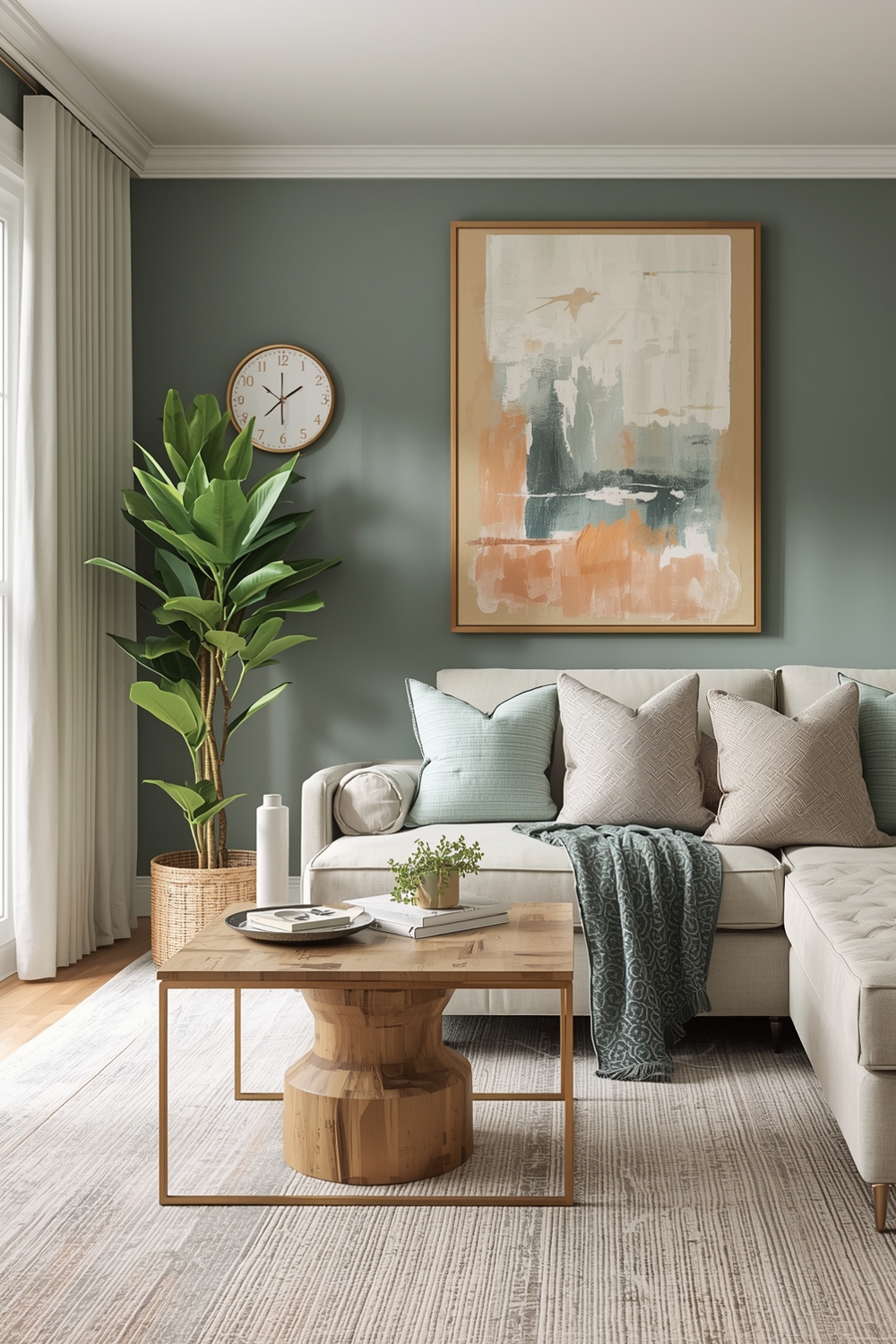
Sage green serves as an excellent foundation for pastel color schemes. Pair it with soft lavender for a dreamy, romantic aesthetic that works beautifully in bedrooms and reading nooks. Baby blue and sage create a fresh, coastal-inspired palette perfect for bathrooms or summer homes.
Pale yellow adds cheerfulness without overwhelming sage’s calming properties. Peach and mint accents alongside sage create a vintage-inspired palette reminiscent of mid-century design. These soft combinations work particularly well in nurseries, craft rooms, and casual living spaces where comfort is paramount.
Sage Green Kitchen & Bath Ideas
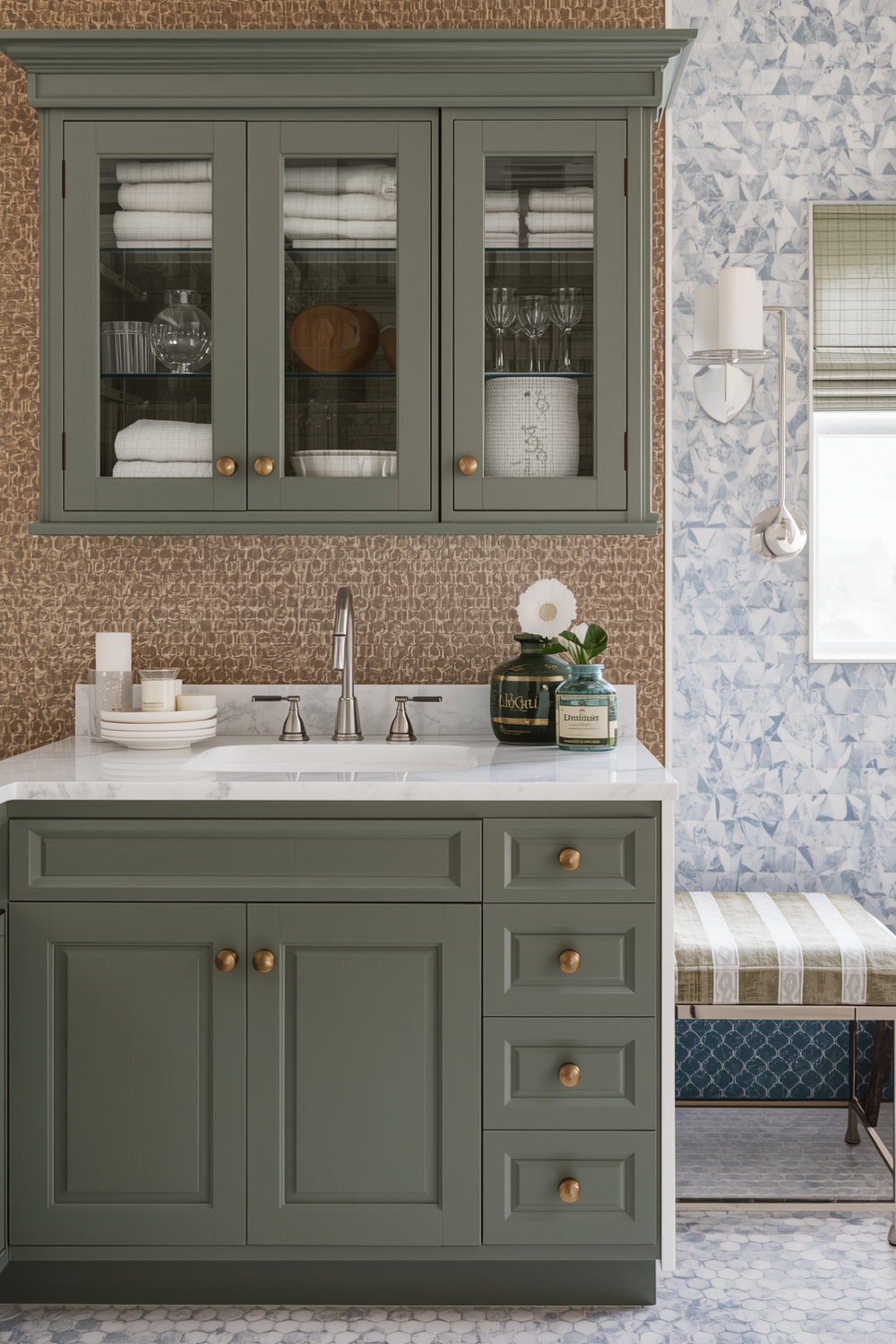
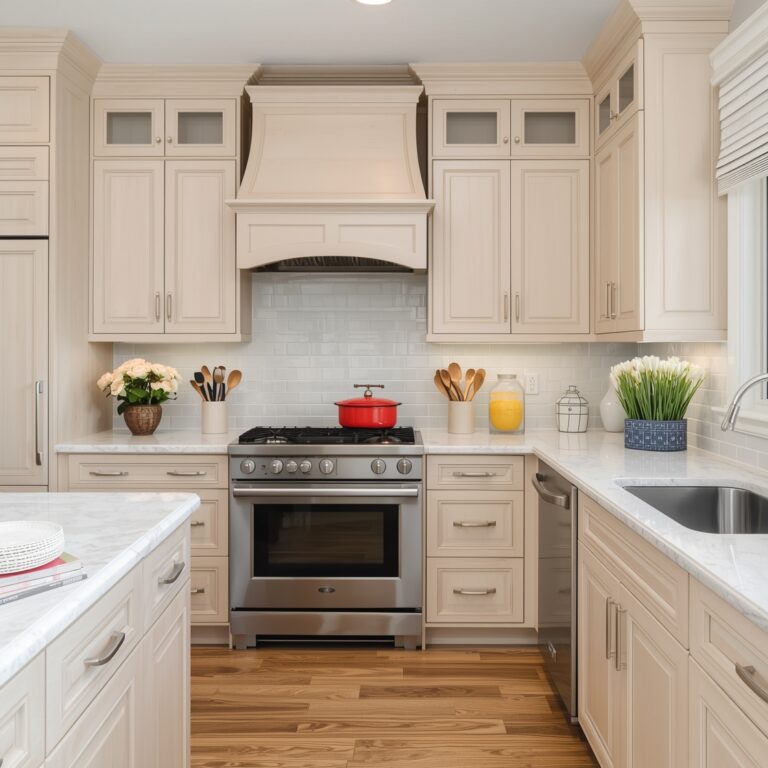
Sage green cabinets have become increasingly popular in kitchen design, offering a refreshing alternative to white or gray. Pair sage cabinetry with white subway tiles and brass fixtures for a classic yet contemporary look. Marble or quartz countertops in white or cream provide elegant contrast.
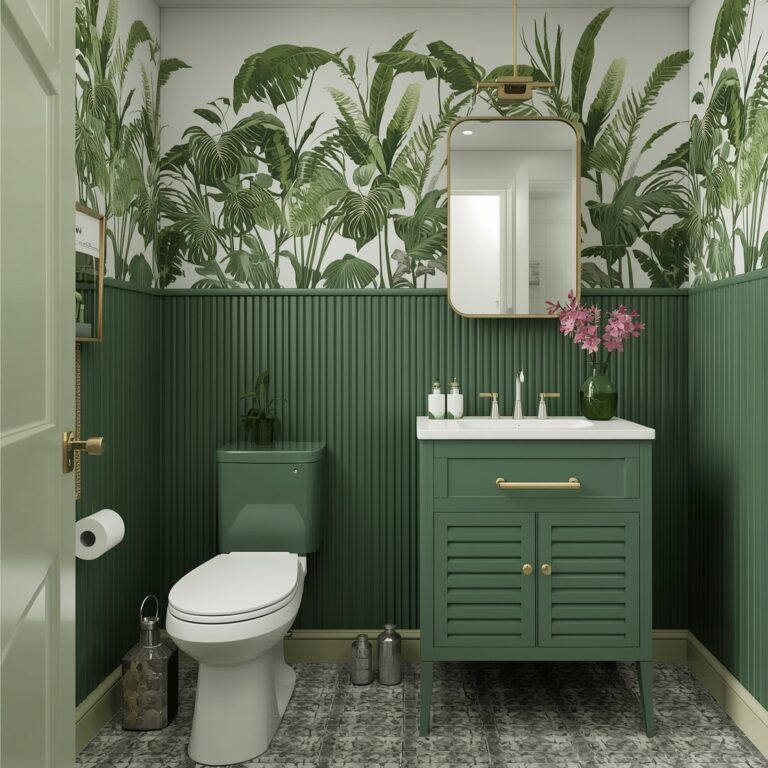
In bathrooms, sage walls create a spa-like retreat when combined with white fixtures and natural wood accents. Sage vanities paired with gold mirrors and fixtures add sophistication. Consider sage tile for a unique backsplash or shower surround that makes a memorable design statement.
Modern Living Rooms in Sage
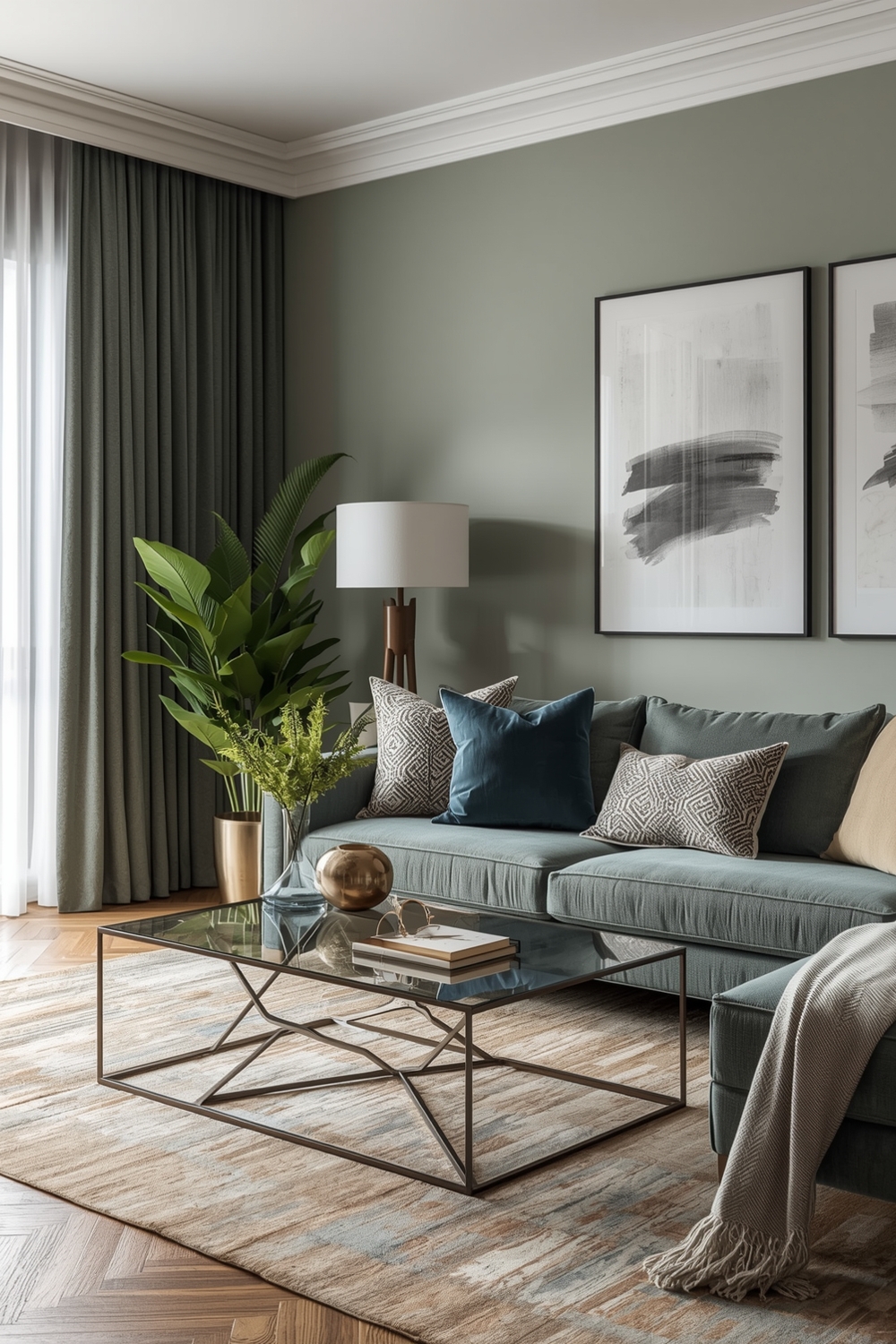
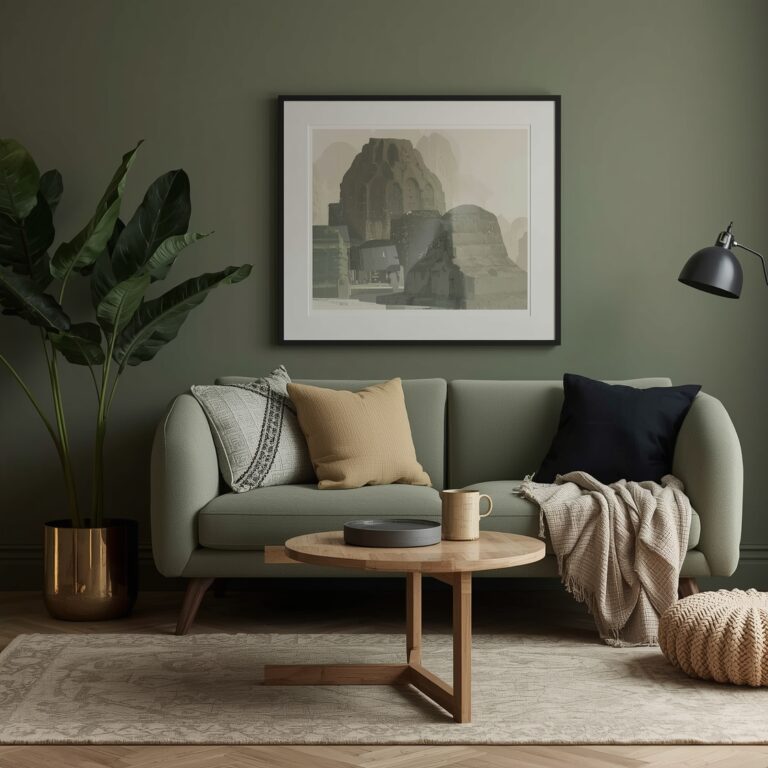
Contemporary living rooms benefit from sage’s versatility and sophistication. A sage accent wall behind a neutral sofa creates depth without overwhelming the space. Pair sage walls with low-profile furniture in natural wood tones and white upholstery for a Scandinavian-inspired aesthetic.
Layer sage through various elements—pillows, throws, artwork, and plants—rather than committing to large furniture pieces. This approach allows flexibility to refresh your space seasonally. Complement sage with geometric patterns in black, white, and gold for an updated, gallery-style living area.
Decorating Bedrooms With Sage
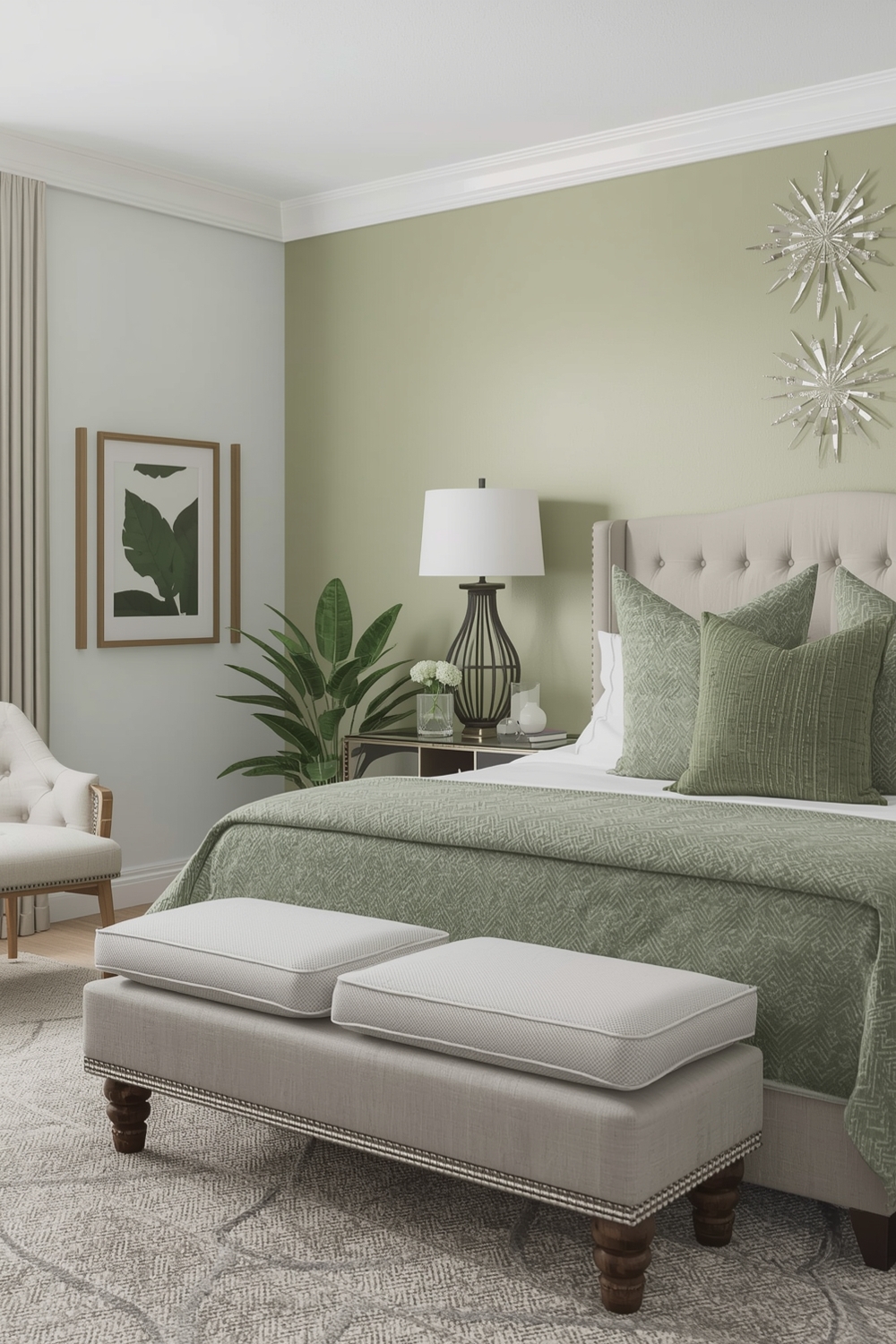
Sage green creates the perfect calming environment for restful sleep. Paint bedroom walls in sage and layer bedding in complementary neutrals—white, cream, and taupe—for a serene retreat. Add warmth with wooden nightstands and woven baskets for texture and storage.
Sage headboards upholstered in velvet or linen make elegant focal points without dominating the space. Combine sage with blush pink or soft gray accents through pillows, artwork, and rugs. Keep lighting warm and layered with brass or wooden fixtures to enhance the cozy, inviting atmosphere.
Sage Green Walls & Trim Ideas
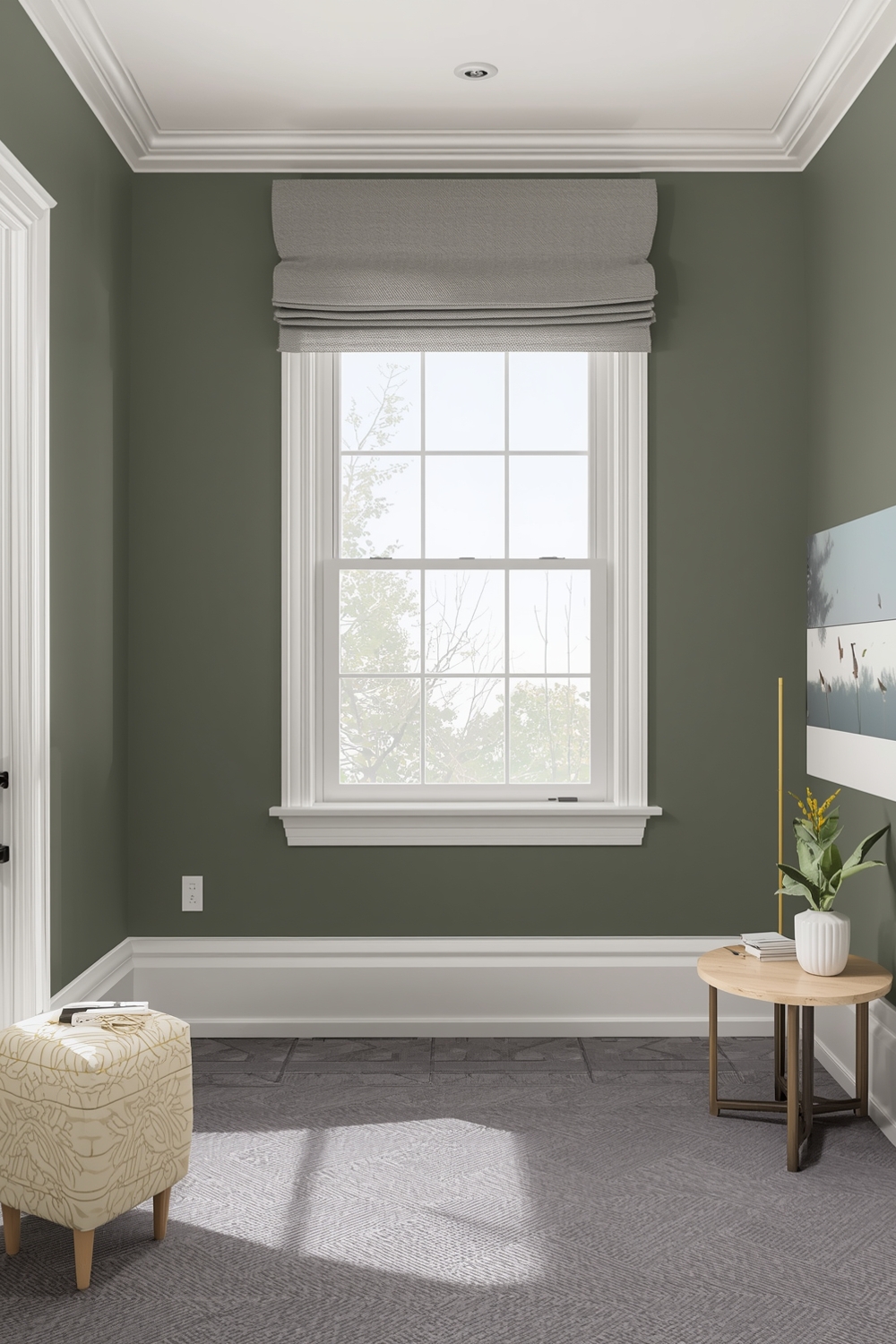
The relationship between wall color and trim significantly impacts your room’s overall aesthetic. Sage walls with crisp white trim create classic definition and make spaces feel larger and brighter. For a more dramatic, modern look, consider sage walls with charcoal or black trim.
Tone-on-tone approaches—sage walls with slightly lighter or darker sage trim—create a sophisticated, enveloping effect perfect for cozy spaces. Wooden trim in natural or whitewashed finishes complements sage beautifully, especially in farmhouse or cottage-style homes where organic textures are celebrated.
Coordinating Rugs & Curtains
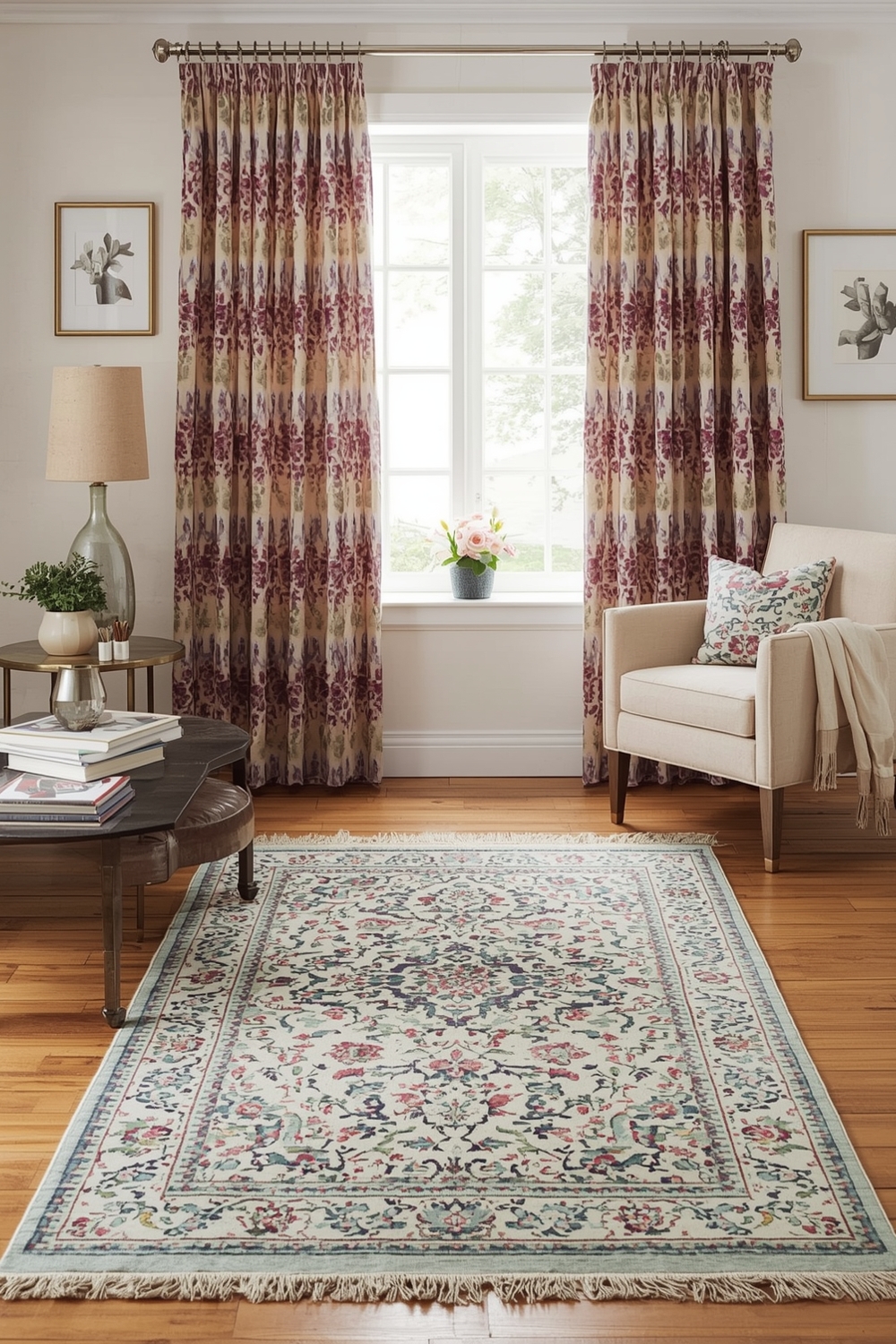
Window treatments and floor coverings in coordinating colors tie sage green schemes together beautifully. Natural fiber rugs in jute or sisal enhance sage’s organic quality while providing texture. Patterned rugs incorporating sage, cream, and terracotta create visual interest and warmth.
Linen curtains in white or cream allow sage walls to shine while softening harsh light. For bolder statements, choose curtains with botanical prints featuring sage, dusty pink, and gold. Layer rugs by placing a patterned rug over a larger natural fiber base for added dimension and comfort.
Sage Green Accent Pieces
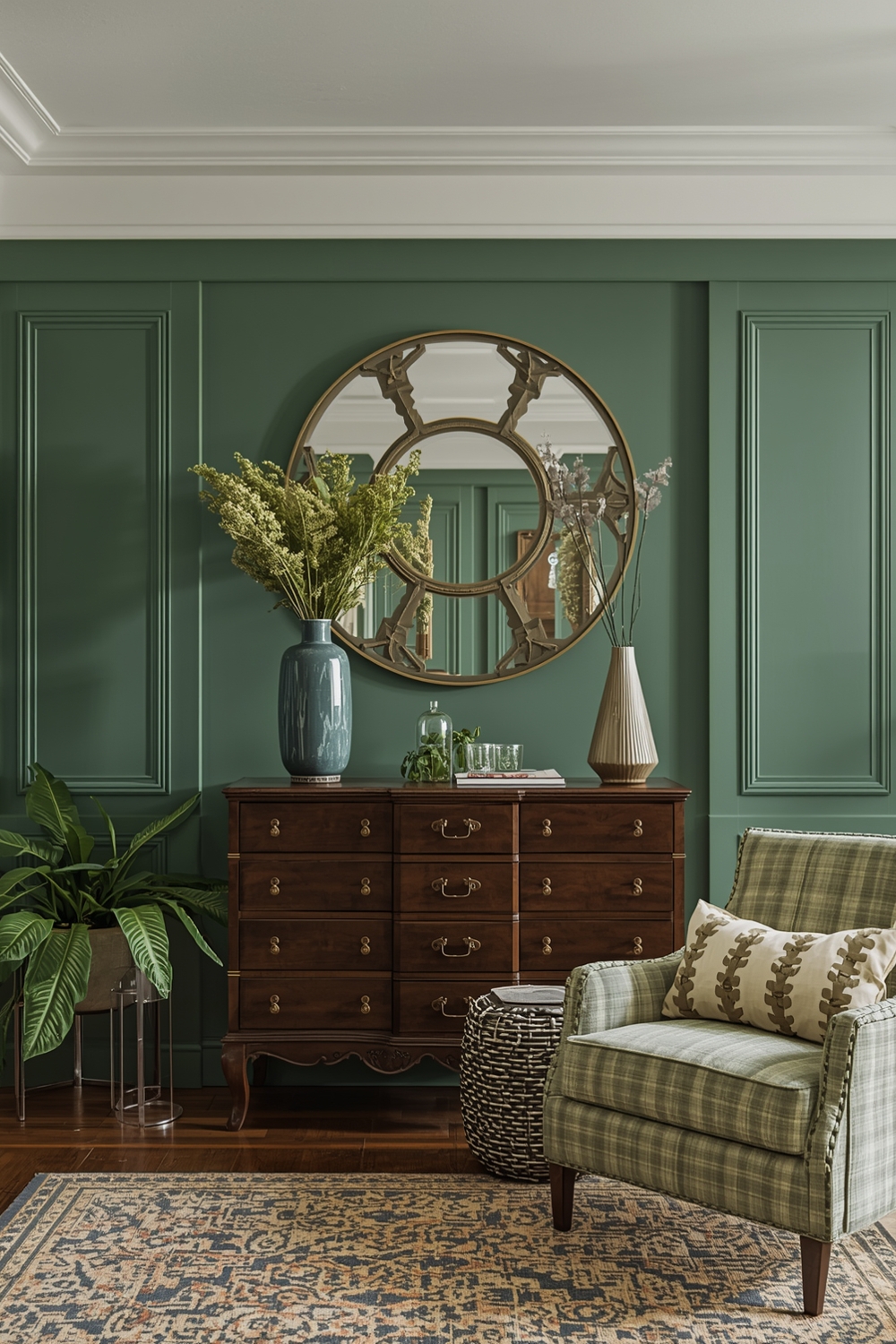
Small sage accents allow you to experiment with this trending color without major commitment. Sage throw pillows instantly update neutral sofas, while sage vases and pottery add subtle color to shelving and tables. Consider sage picture frames to cohesively display artwork and photographs.
Sage lampshades, candles, and decorative bowls provide pops of color throughout your space. Plants in sage ceramic planters double down on the natural aesthetic. These smaller investments let you test how sage works in your space before committing to larger furniture or paint projects.
Budget-Friendly Sage Updates
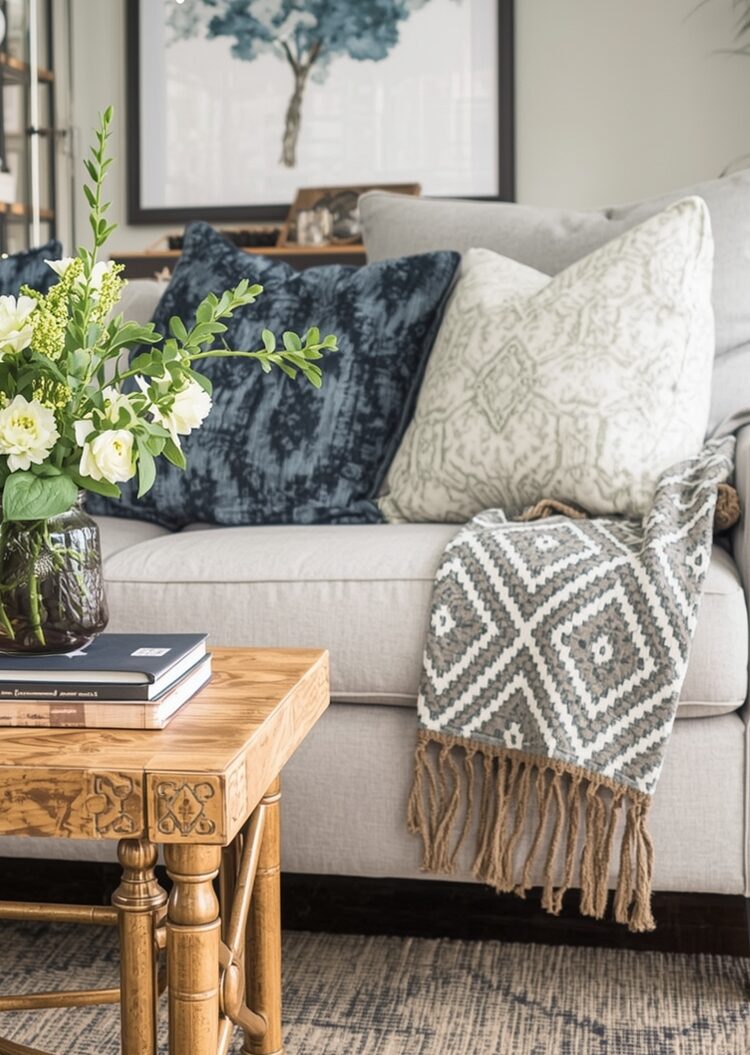
Refreshing your space with sage doesn’t require a complete renovation. Paint is the most affordable transformation—one accent wall in sage dramatically changes a room’s atmosphere. Thrift stores and online marketplaces often have furniture perfect for DIY sage makeovers with chalk or spray paint.
Update existing textiles by dyeing white or cream fabrics with sage green dye. Switch out hardware on cabinets and furniture to brass or gold finishes that complement sage beautifully. Add budget-friendly sage through plants, printed artwork, and affordable throw pillows that refresh your space seasonally.
Using Sage With Prints
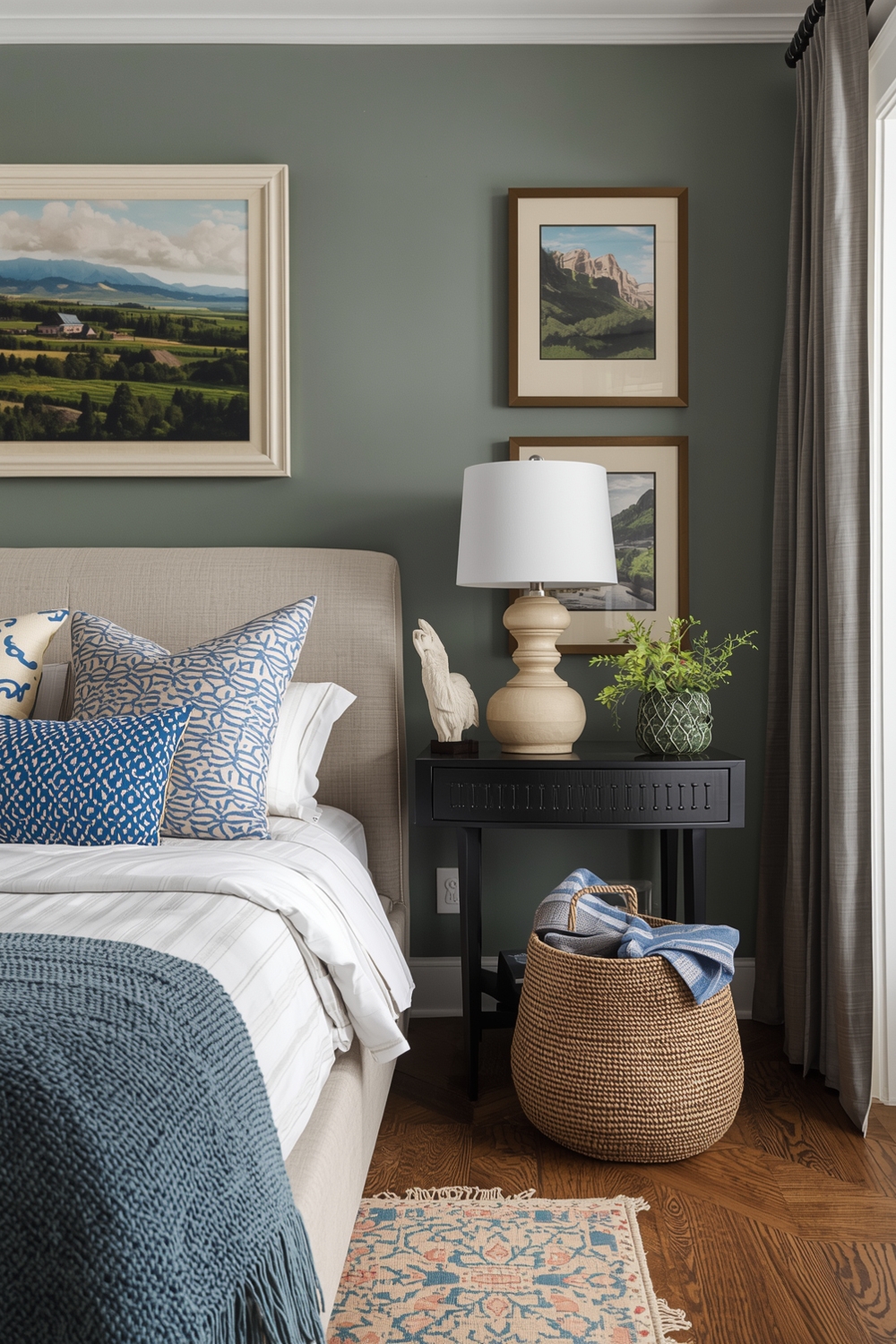
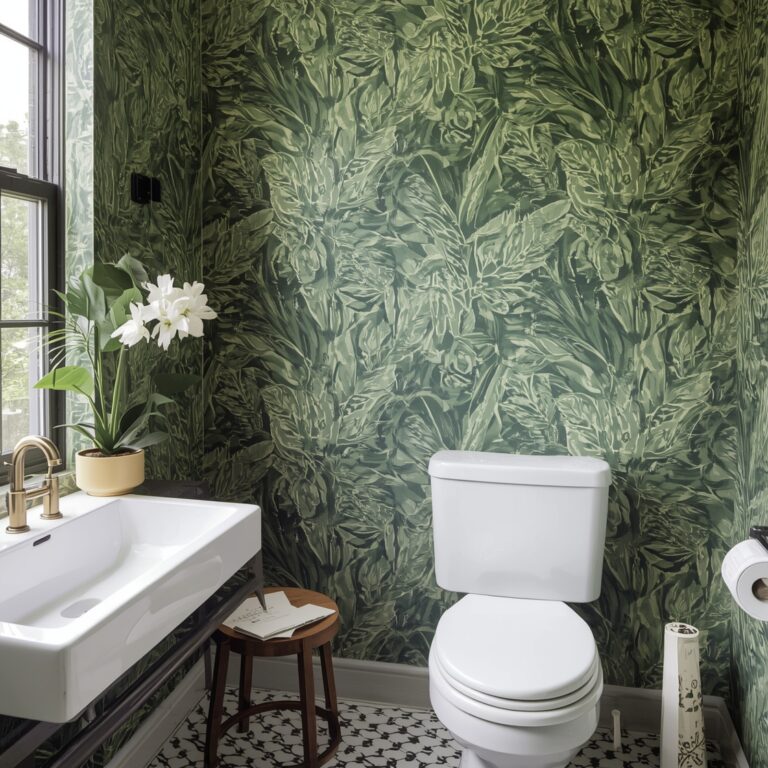
Patterns and prints add energy and personality to sage green schemes. Botanical prints featuring sage leaves, ferns, and eucalyptus reinforce the natural theme while adding visual interest. Geometric patterns in sage, white, and gold create modern, sophisticated spaces with clean lines.
Floral prints combining sage with dusty pink, cream, and terracotta work beautifully in traditional or cottage-style homes. Striped patterns in sage and white add classic elegance to any room. Mix print scales—large patterns on curtains or rugs, smaller patterns on pillows—to create balanced, professional-looking spaces.
DIY Sage Decor Hacks
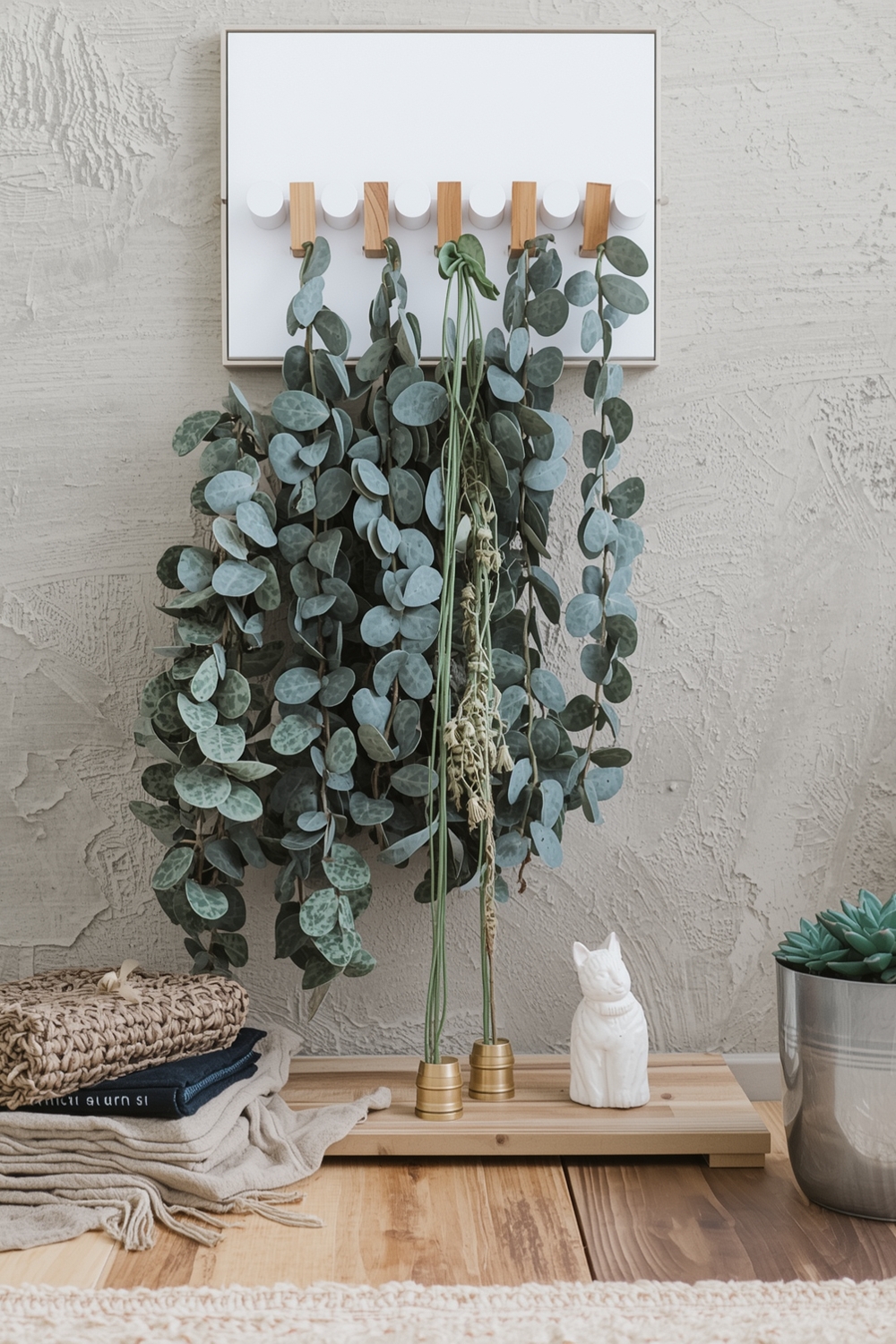
Creative DIY projects bring personalized sage touches to your home affordably. Paint terracotta pots in various sage shades for a cohesive plant display. Create custom artwork using sage paint in abstract patterns or botanical silhouettes that complement your existing decor.
Refresh old picture frames, trays, and wooden boxes with sage paint for coordinated storage and display. Dye plain canvas or muslin fabric in sage to create custom curtains, tablecloths, or pillow covers. Stencil sage patterns onto neutral walls or furniture for unique, custom details that showcase your creativity.
How This Idea Improves Your Space
Implementing sage green and its complementary colors transforms your home into a serene, sophisticated sanctuary. The calming properties of sage reduce stress and promote relaxation, making spaces more enjoyable and functional. Strategic color pairing creates visual harmony that makes rooms feel intentional and thoughtfully designed.
Sage’s versatility means it works across different rooms and design styles, creating cohesive flow throughout your home. This timeless color won’t feel dated quickly, protecting your investment in furniture and decor while maintaining a fresh, contemporary aesthetic.
Budget-Friendly Tips
Start small with sage accents before committing to major purchases or renovations. Shop secondhand for furniture pieces you can paint or reupholster in sage tones. Use paint strategically on accent walls rather than entire rooms to maximize impact while minimizing cost. Focus investments on key pieces like sofas or rugs that anchor your sage color scheme.
Conclusion
Understanding colours that go with sage green home decor opens endless possibilities for creating beautiful, harmonious spaces. From soft neutrals to bold accents, sage green adapts to various styles and preferences. Whether you’re updating a single room or redesigning your entire home, sage green provides a versatile, timeless foundation that promotes calm and sophistication.
FAQs
What neutral colors work best with sage green?
Warm whites, cream, beige, taupe, and soft gray all complement sage beautifully, creating serene, cohesive spaces.
Can I use sage green in small rooms?
Absolutely. Lighter sage shades make small spaces feel larger and more open, especially when paired with white trim and good lighting.
Does sage green work in modern design?
Yes, sage fits perfectly in modern interiors when paired with clean lines, minimal furnishings, and metallic accents like brass or matte black.
What wood tones complement sage green?
Light oak, natural pine, walnut, and whitewashed woods all pair beautifully with sage, enhancing its organic, earthy qualities.
Is sage green still trendy in 2024?
Sage green remains a popular choice due to its timeless appeal, versatility, and ability to create calming, nature-inspired spaces that transcend temporary trends.