Introduction
Transform your outdoor space into a tranquil retreat with a backyard hammock for outdoor relaxation. Nothing says summer leisure quite like gently swaying in a hammock while enjoying the fresh air and natural beauty of your backyard. Whether you have a sprawling garden or a cozy patio, hammocks offer versatile design possibilities that combine comfort with style.
From bohemian-inspired setups to minimalist modern designs, the right hammock can become the focal point of your outdoor living area while providing the perfect spot for reading, napping, or simply unwinding after a long day.
Creative Outdoor Hammock Ideas
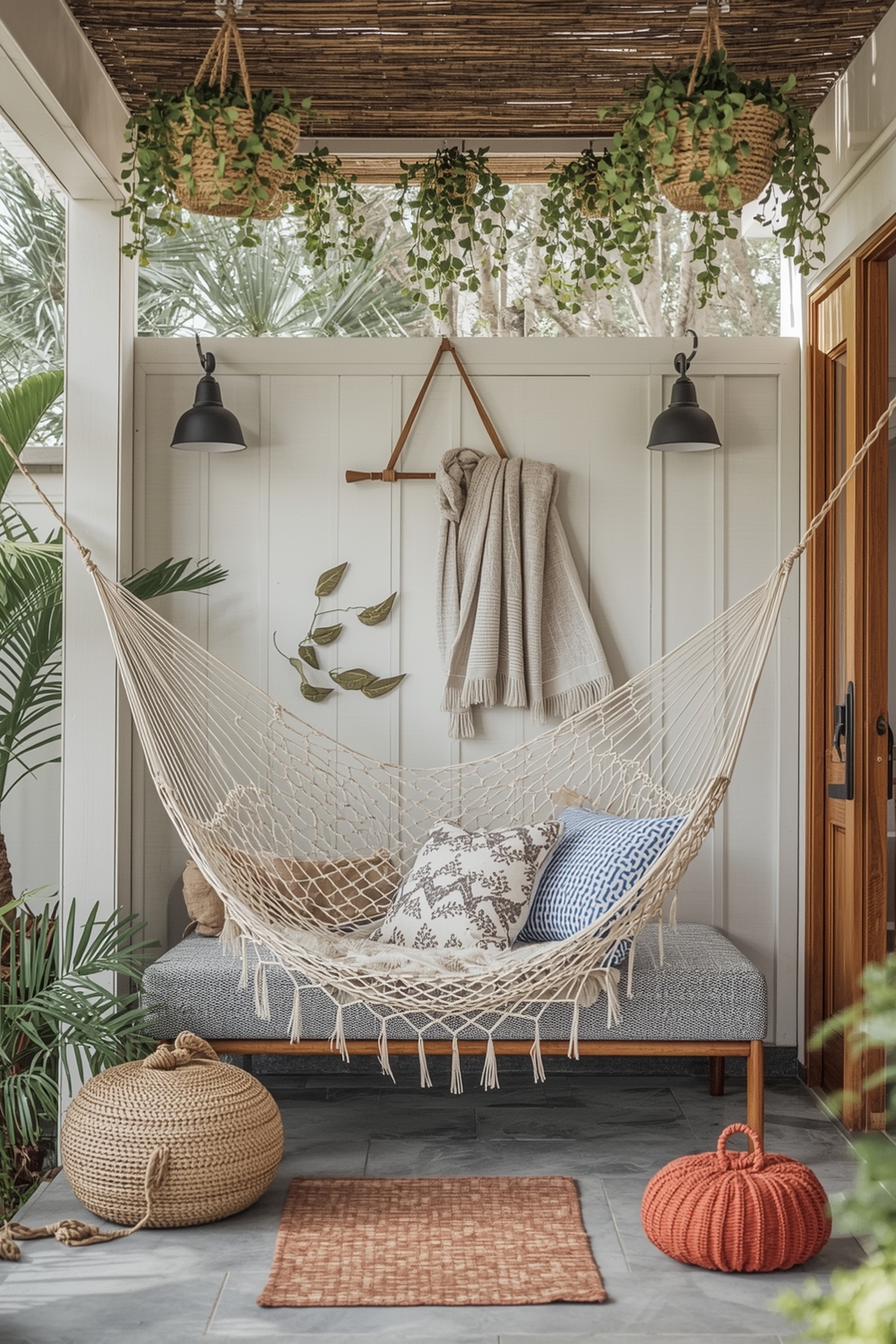
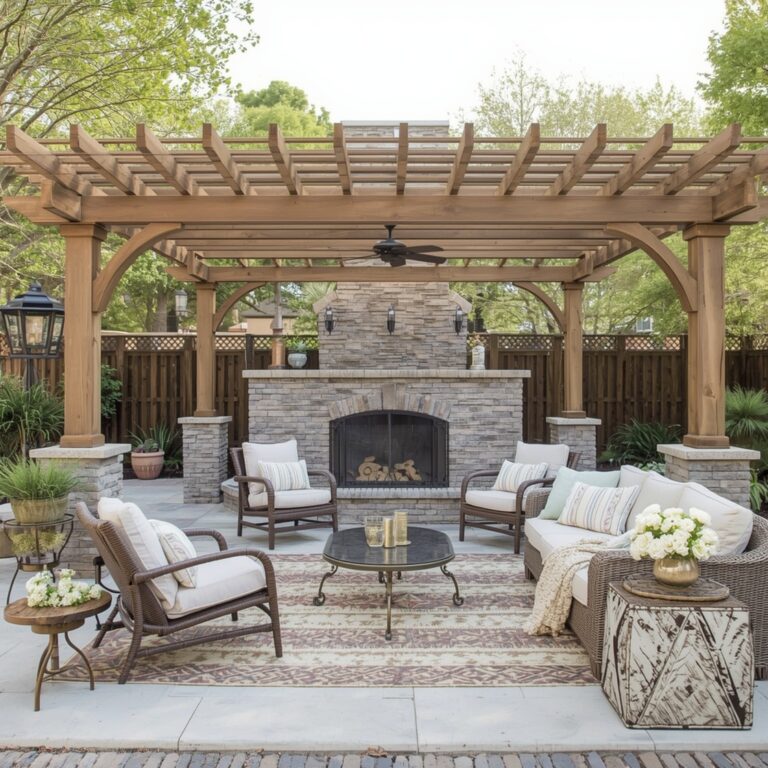
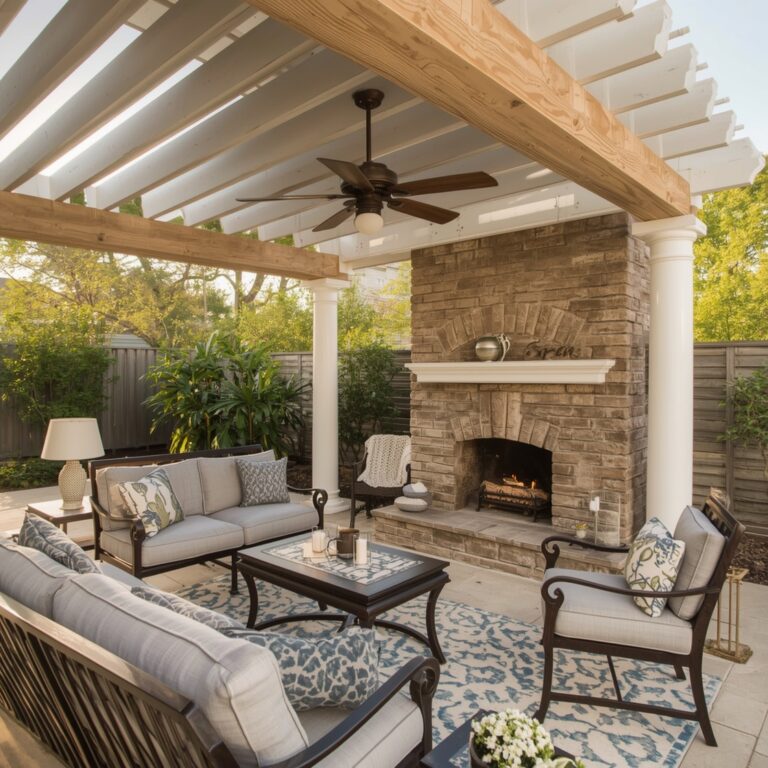
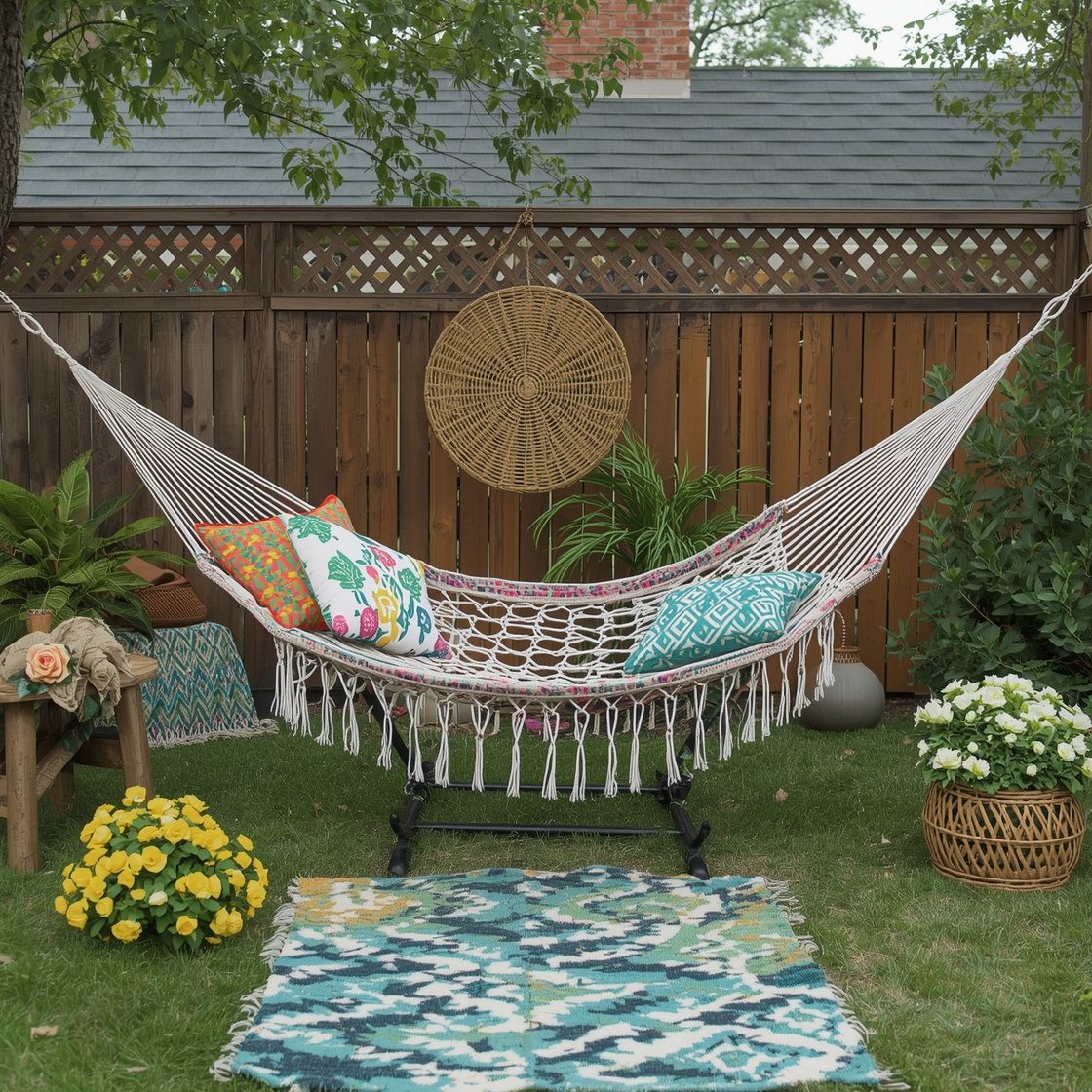
A backyard hammock for outdoor relaxation can be styled in countless creative ways to match your personal aesthetic. Consider pairing your hammock with pergolas, creating standalone hammock gardens, or installing multiple hammocks for a social lounging area.
Think beyond traditional rope hammocks and explore fabric options, hammock chairs, or even hammock tents for overnight camping experiences. The key is selecting a design that complements your existing outdoor décor while maximizing comfort and functionality for your specific space and lifestyle needs.
Using Hammocks in Modern Backyards
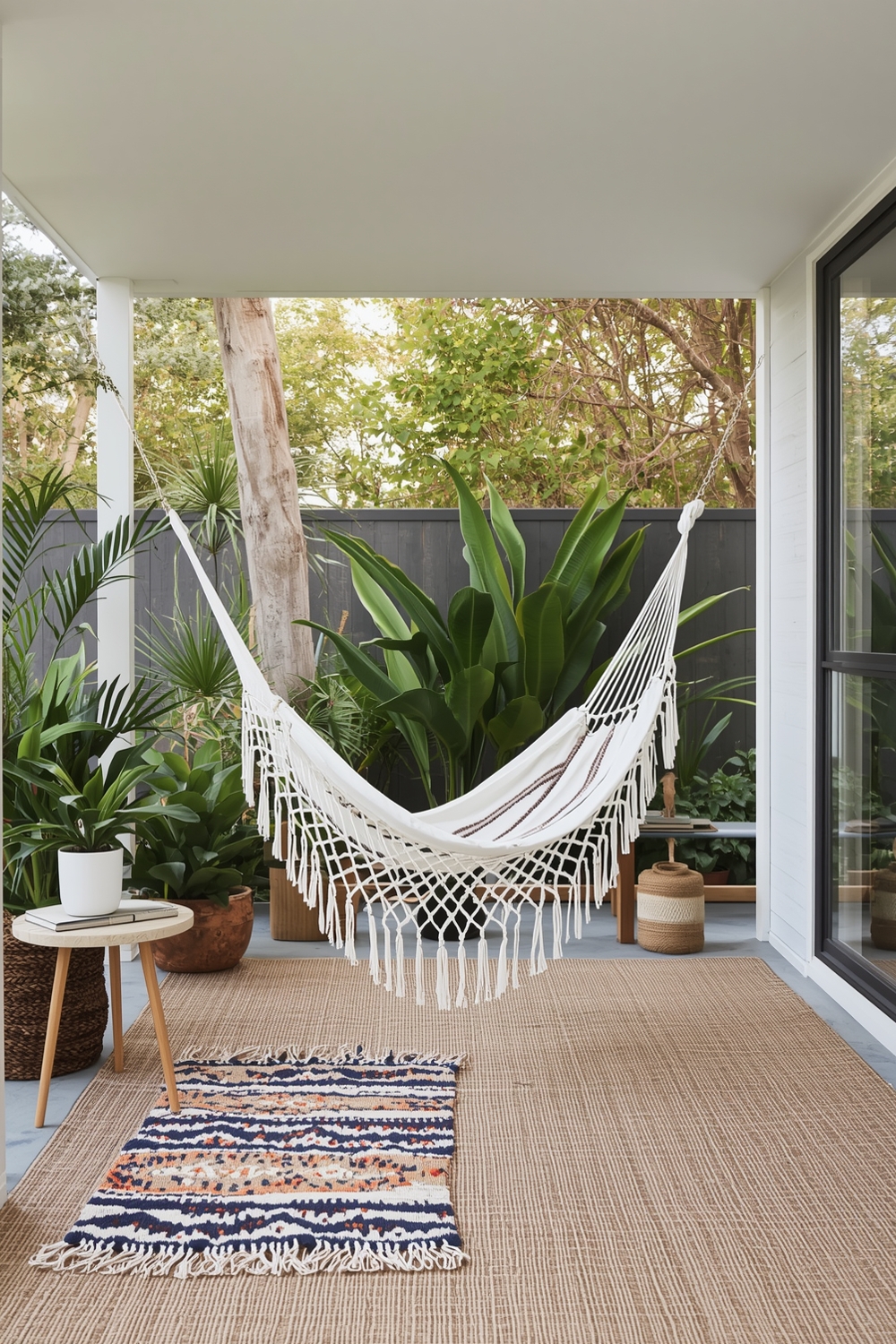
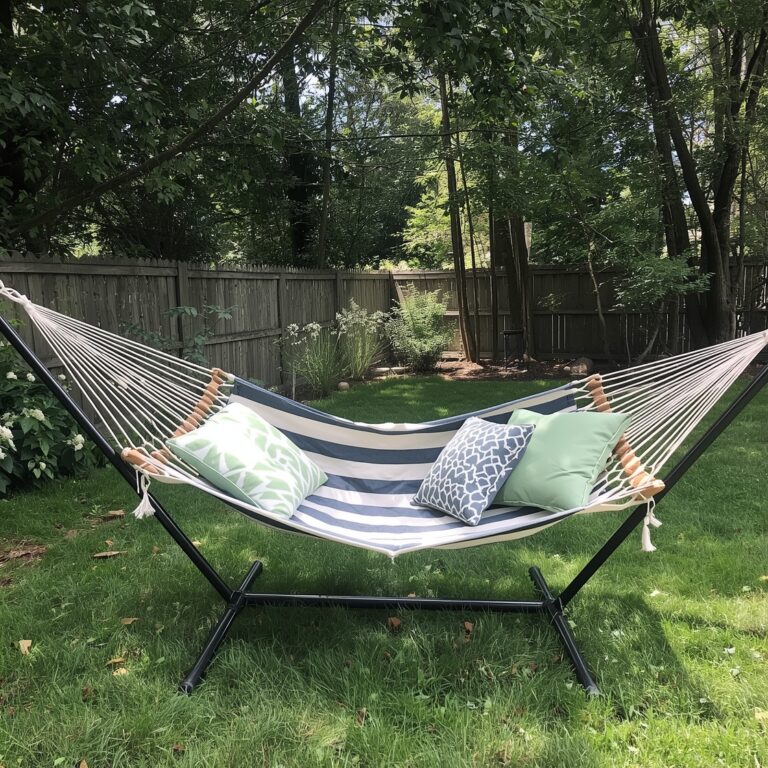
Modern backyard designs seamlessly integrate hammocks as architectural elements rather than afterthoughts. Contemporary outdoor spaces feature sleek metal hammock stands, minimalist color palettes, and clean lines that create sophisticated lounging areas.
Pair your backyard hammock for outdoor relaxation with modern materials like concrete planters, steel furniture, and geometric patterns. Consider monochromatic color schemes or bold accent colors that tie into your home’s overall design theme for a cohesive, magazine-worthy outdoor retreat.
Styling Hammocks with Outdoor Textiles
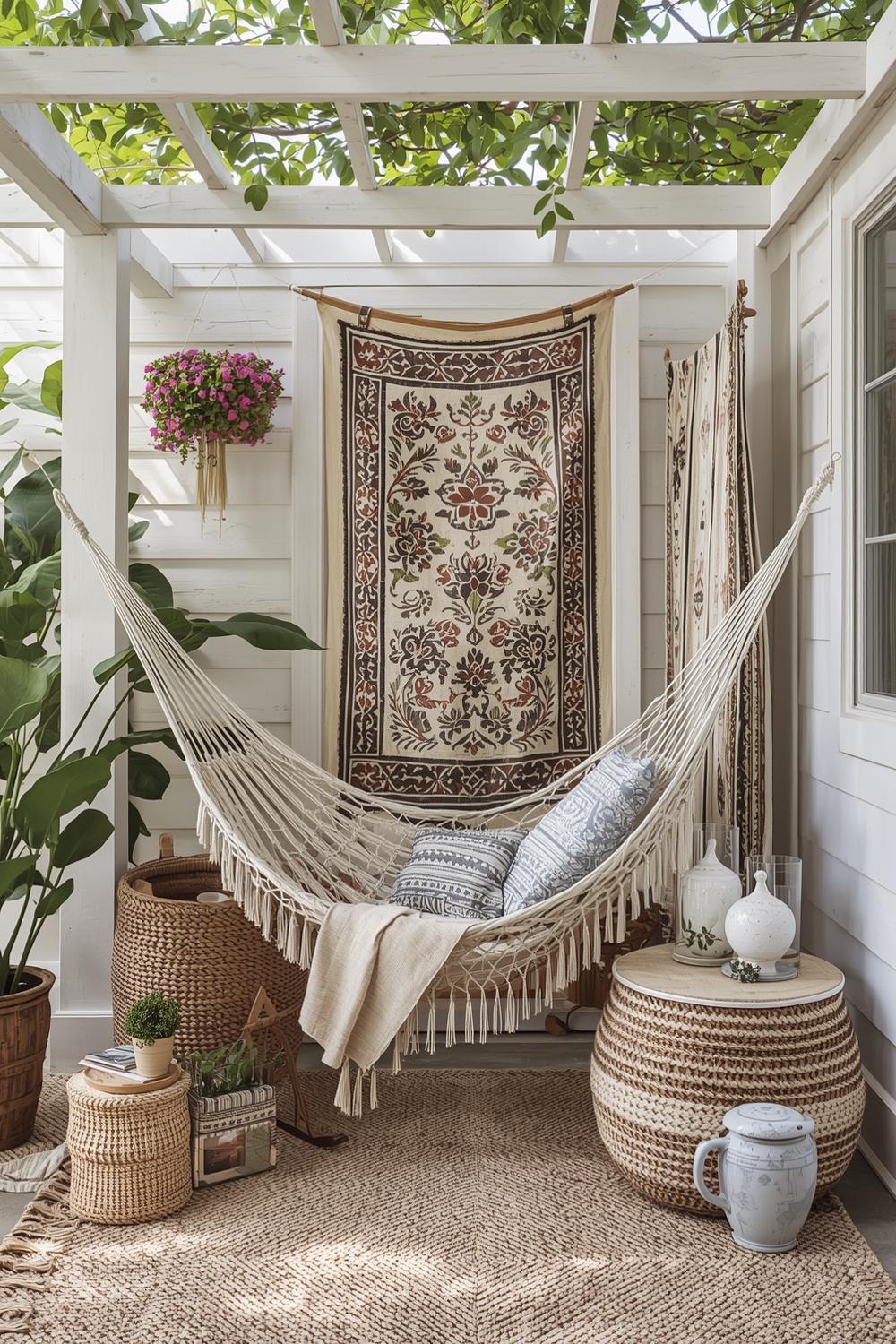
Elevate your hammock experience by incorporating weather-resistant textiles that add comfort and visual interest. Outdoor fabrics in vibrant patterns, textures, and colors can transform a simple hammock into a luxurious relaxation zone perfect for your backyard oasis.
Choose fade-resistant materials specifically designed for exterior use to ensure longevity. Mix and match stripes, florals, and solids to create a personalized look that reflects your style while maintaining the primary function of your outdoor relaxation space.
Layering Throws, Pillows & Cushions
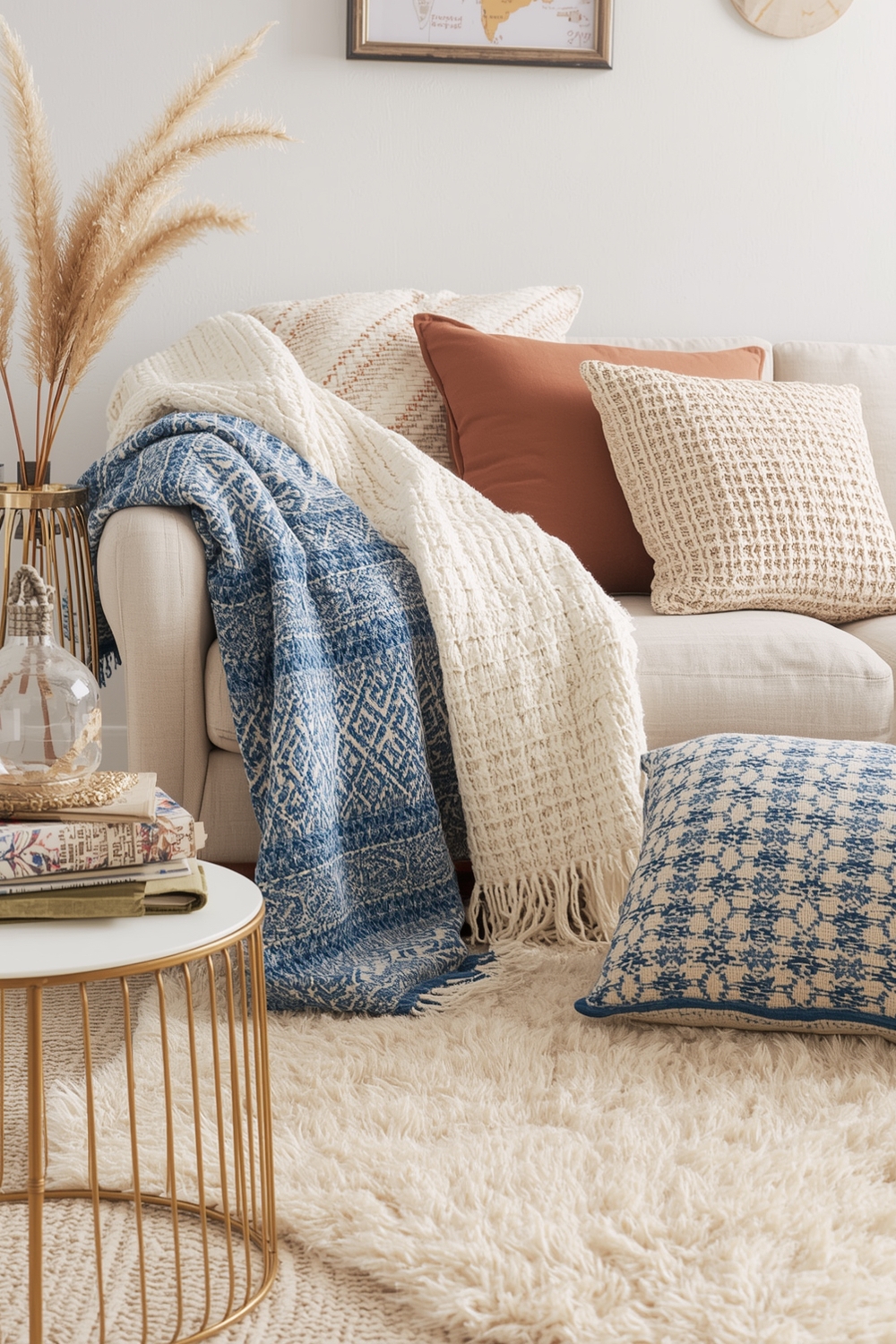
Maximize comfort in your outdoor hammock by strategically layering soft furnishings. Weather-resistant throws in chunky knits or lightweight linens provide warmth during cooler evenings while adding textural dimension to your relaxation space.
Outdoor pillows in varying sizes create ergonomic support for reading or napping. Choose removable, washable covers in coordinating colors and patterns. This layering technique transforms a basic hammock into a plush, inviting retreat that rivals indoor comfort in your backyard setting.
Combining Hammock Spaces with Fire Pits
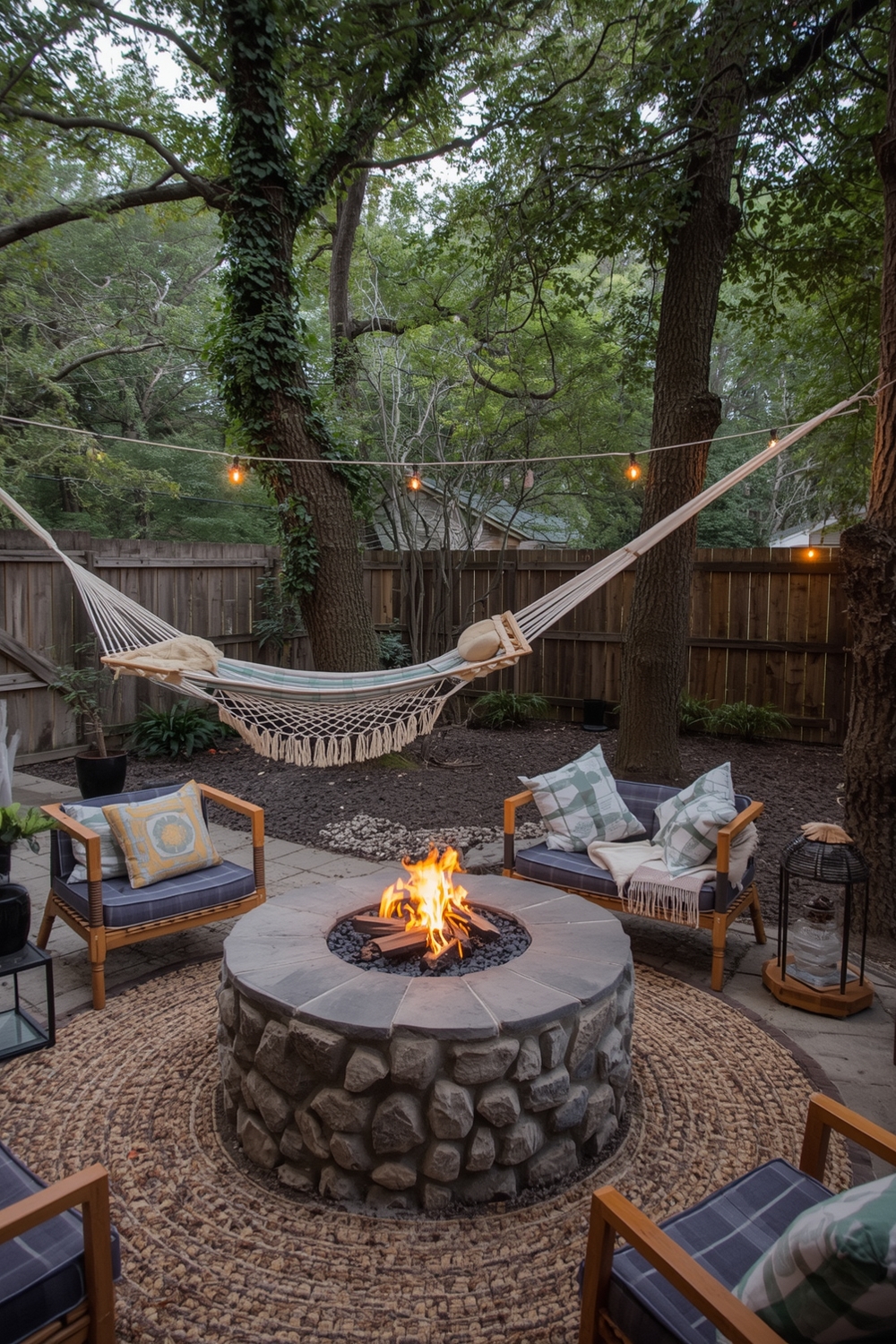
Create an enchanting outdoor gathering area by positioning your backyard hammock for outdoor relaxation near a fire pit. This combination extends usability into cooler months while establishing a natural social hub for entertaining guests or enjoying quiet evenings.
Maintain safe distances between flame sources and fabric materials, typically 8-10 feet minimum. Use stone pavers or gravel to define the fire pit zone, creating visual separation while adding rustic charm that complements your hammock’s natural aesthetic beautifully.
Adding Privacy Screens Around Hammocks
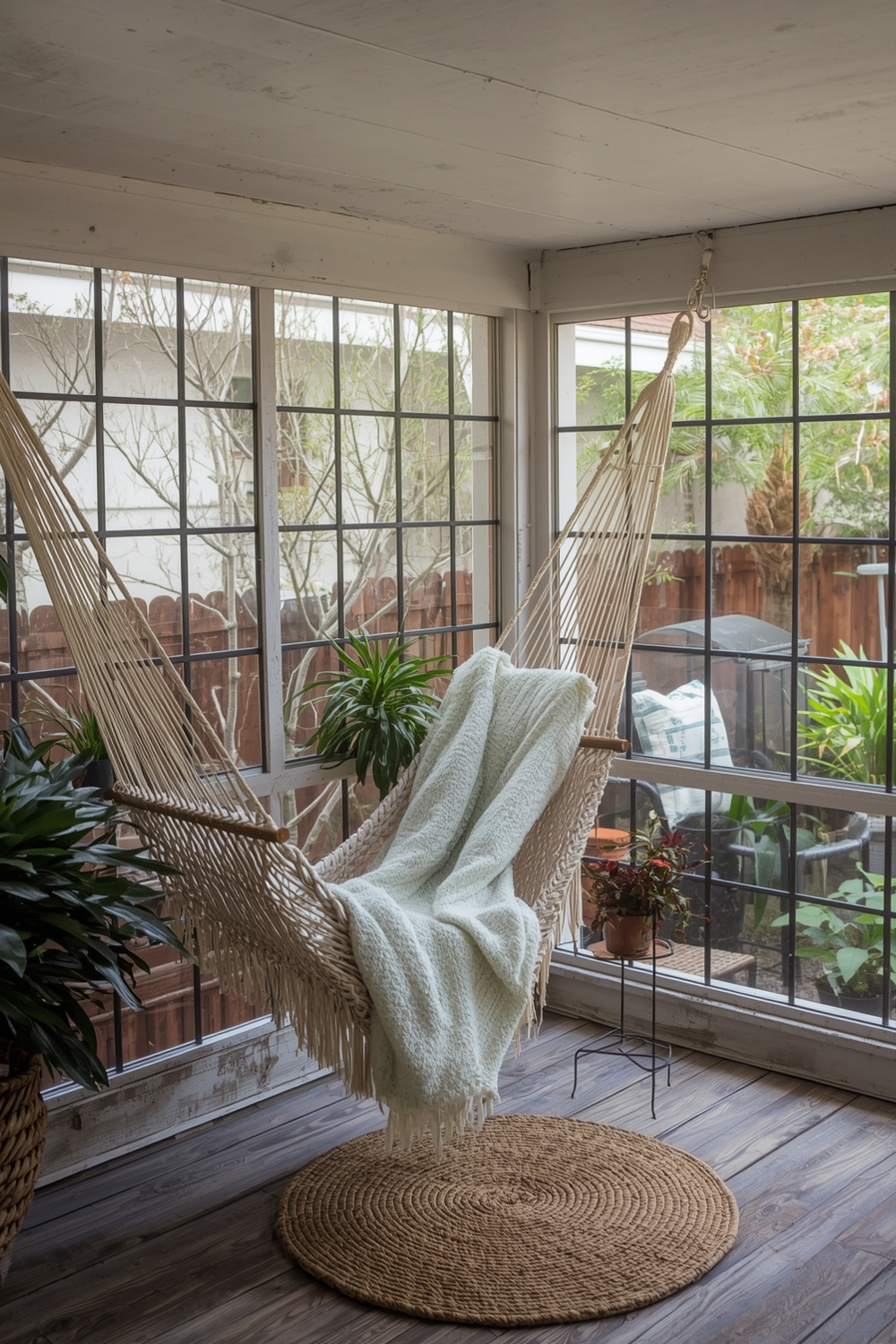
Enhance your sense of seclusion by installing privacy screens around your hammock area. Lattice panels, bamboo fencing, or living walls made from climbing plants create intimate boundaries that block sightlines from neighbors while adding vertical interest to your backyard.
Outdoor curtains hung from posts or pergolas offer flexible privacy that can be adjusted based on wind conditions and desired openness. These screens also provide additional shade and wind protection, making your hammock space more comfortable throughout varying weather conditions.
Incorporating Water Features Near Hammocks
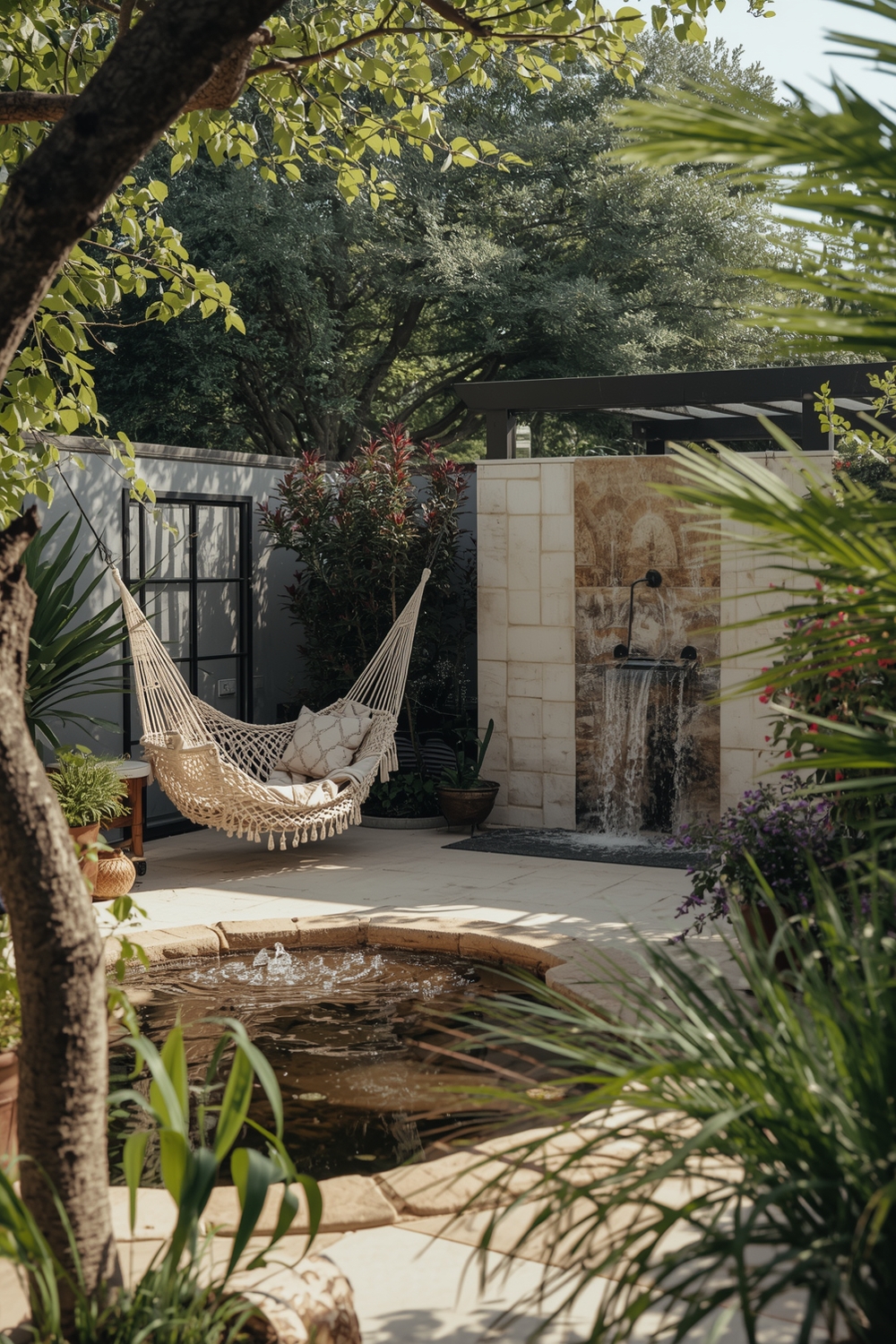
The soothing sounds of water elevate the tranquil atmosphere around your backyard hammock for outdoor relaxation. Position fountains, small ponds, or cascading waterfalls within earshot to create a multi-sensory retreat that promotes deeper relaxation and stress relief.
Even simple tabletop fountains or wall-mounted water features can produce calming ambient noise. The combination of gentle swaying motion and water sounds creates a spa-like environment that encourages meditation, mindfulness, and complete disconnection from daily stressors.
Creating a Reading Nook Outdoors
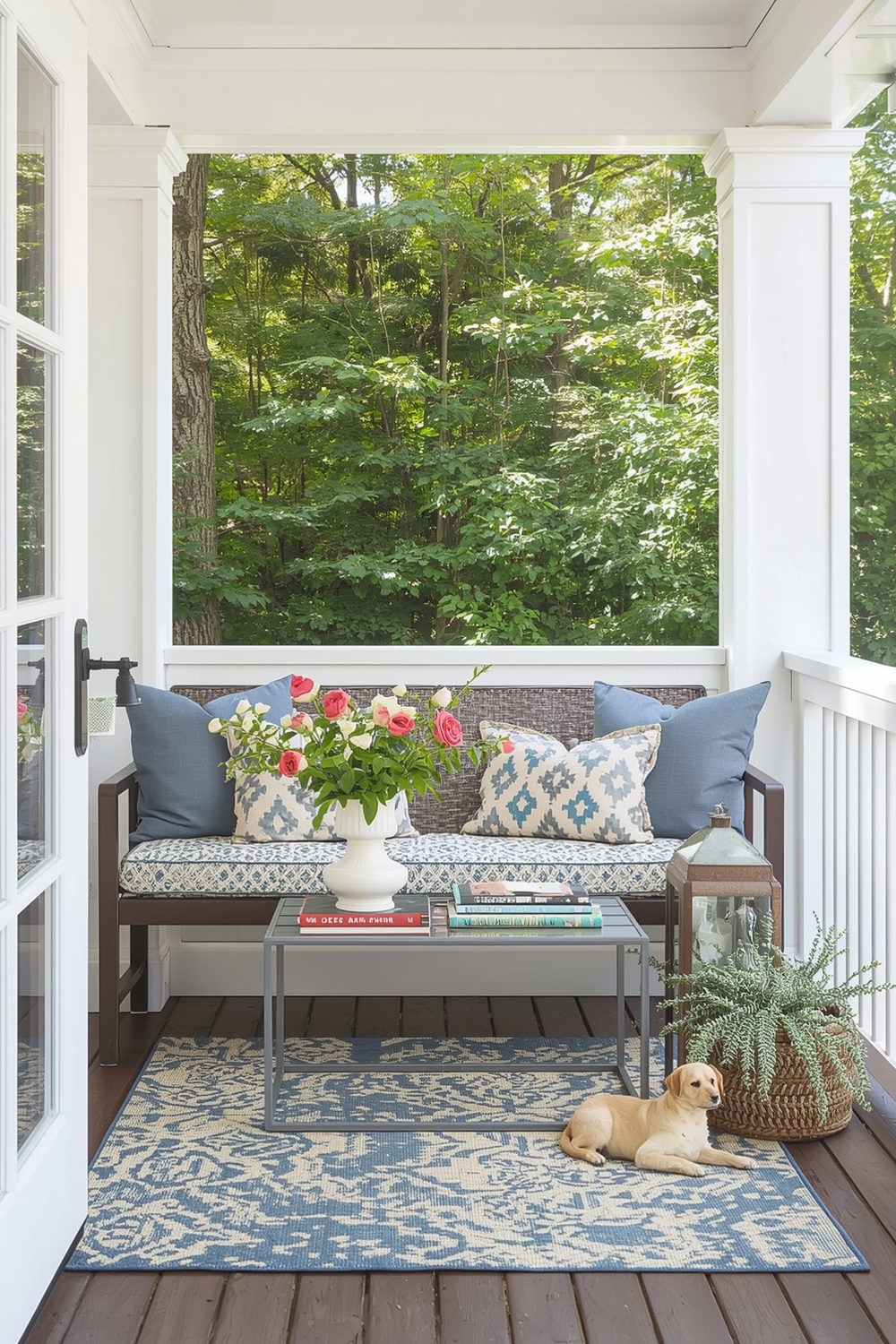
Transform your backyard hammock for outdoor relaxation into a literary escape by adding reading-friendly amenities. Install clip-on LED reading lights, create nearby book storage using weatherproof containers, and position side tables within arm’s reach for beverages and snacks.
Choose hammock styles with built-in cup holders or add attachable accessories. Plant fragrant flowers nearby to engage the senses while you read. This dedicated outdoor reading space encourages screen-free leisure time and reconnection with nature simultaneously.
Seasonal Styling Tips for Hammocks
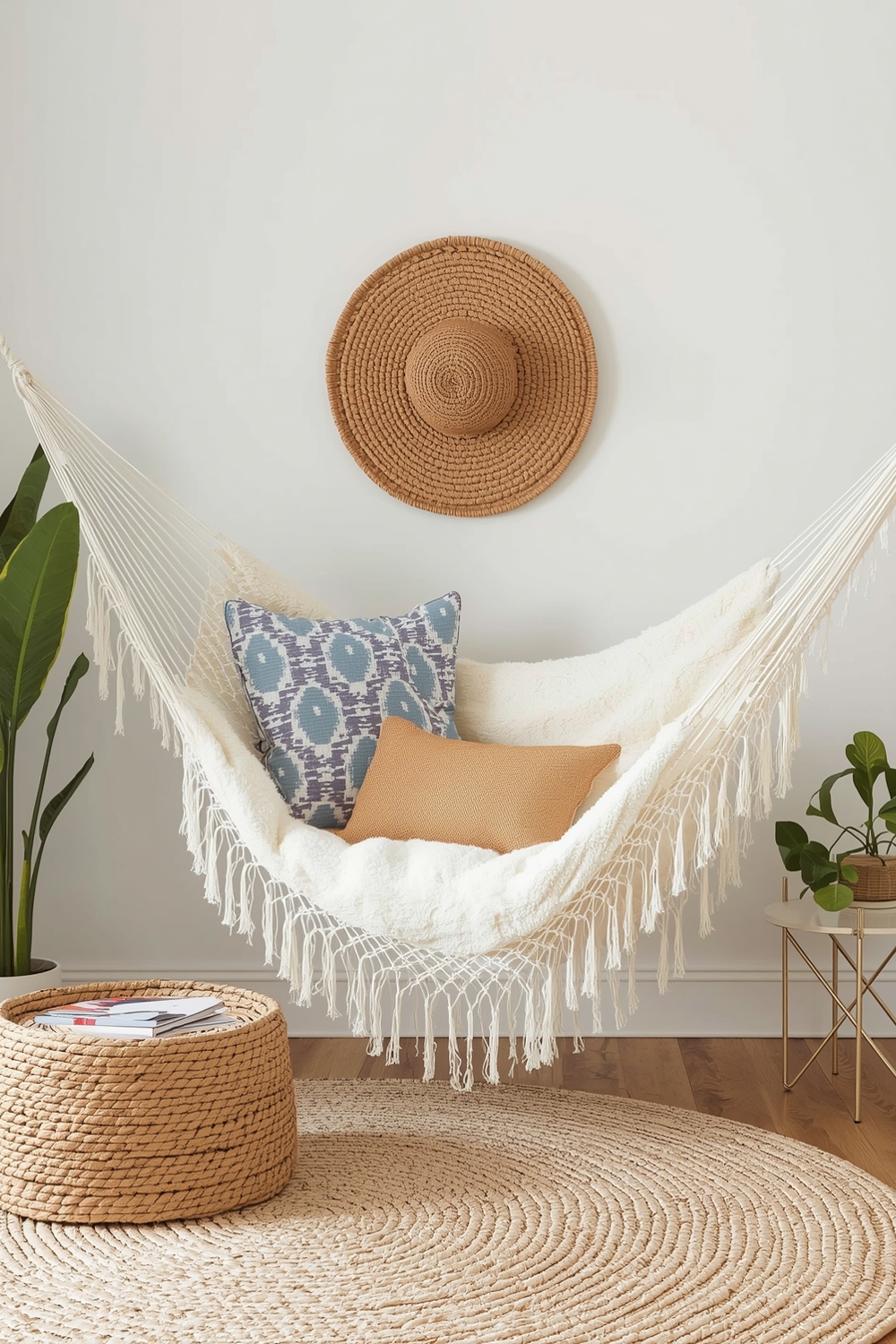
Adapt your hammock décor throughout the year to reflect seasonal changes. Spring calls for pastel cushions and floral patterns, while summer embraces bold tropical prints and lightweight fabrics perfect for your backyard entertaining needs.
Autumn invites warm oranges, deep reds, and cozy flannel throws. Winter styling might include faux fur accents and heated blankets for cold-weather lounging. Rotating accessories seasonally keeps your outdoor space fresh and visually interesting year-round without major investment.
Using Outdoor Rugs to Define Hammock Spaces
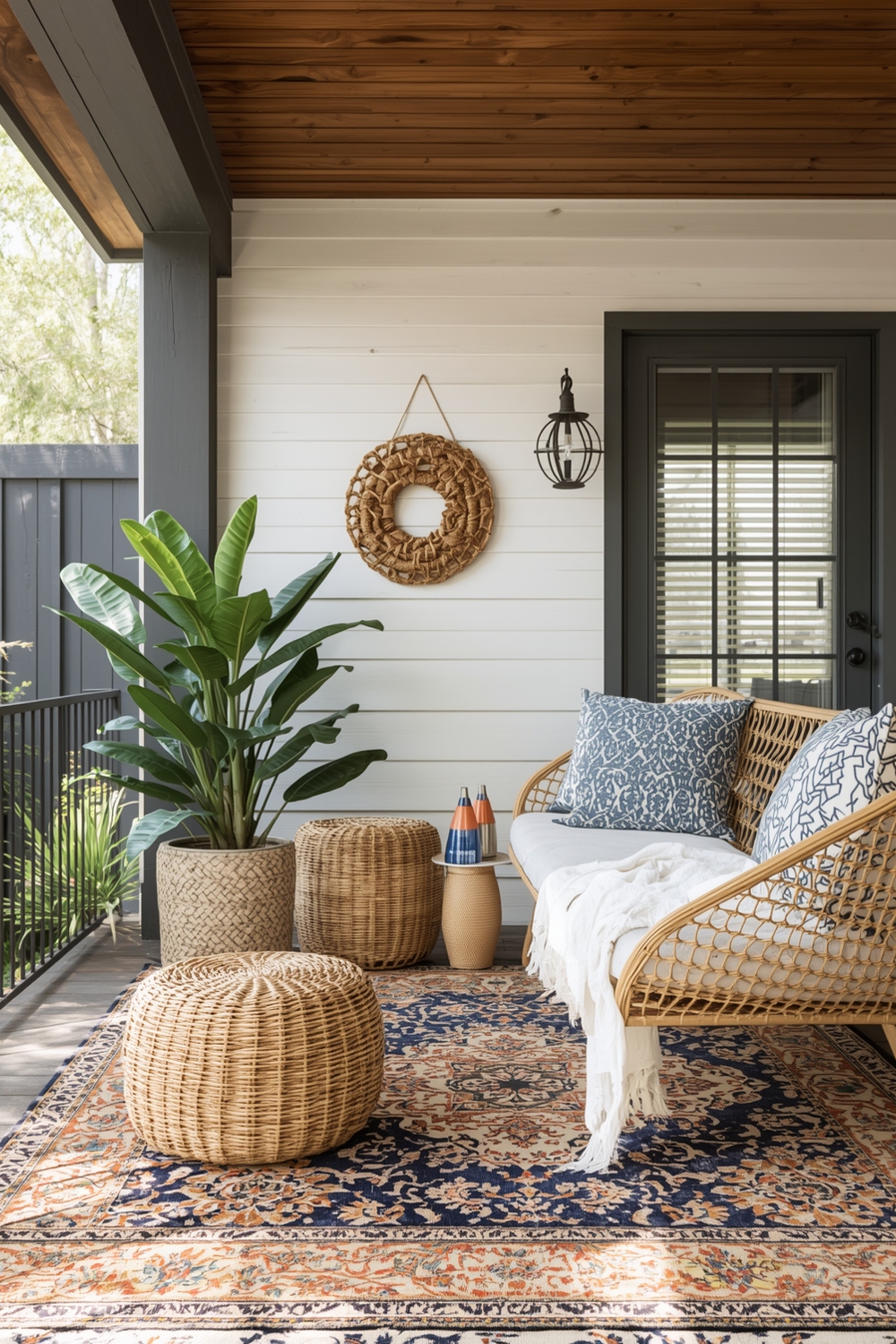
Ground your hammock area with outdoor rugs that create visual boundaries and add comfort underfoot. Weather-resistant rugs in natural fibers or synthetic materials define the relaxation zone while protecting grass or deck surfaces beneath.
Choose rug sizes that extend beyond the hammock’s swing radius to create a cohesive zone. Patterns and colors should complement your hammock textiles while introducing additional design layers. Rugs also reduce mud tracking and provide cushioning when entering or exiting your hammock.
Hanging Plants Near Hammocks for Charm
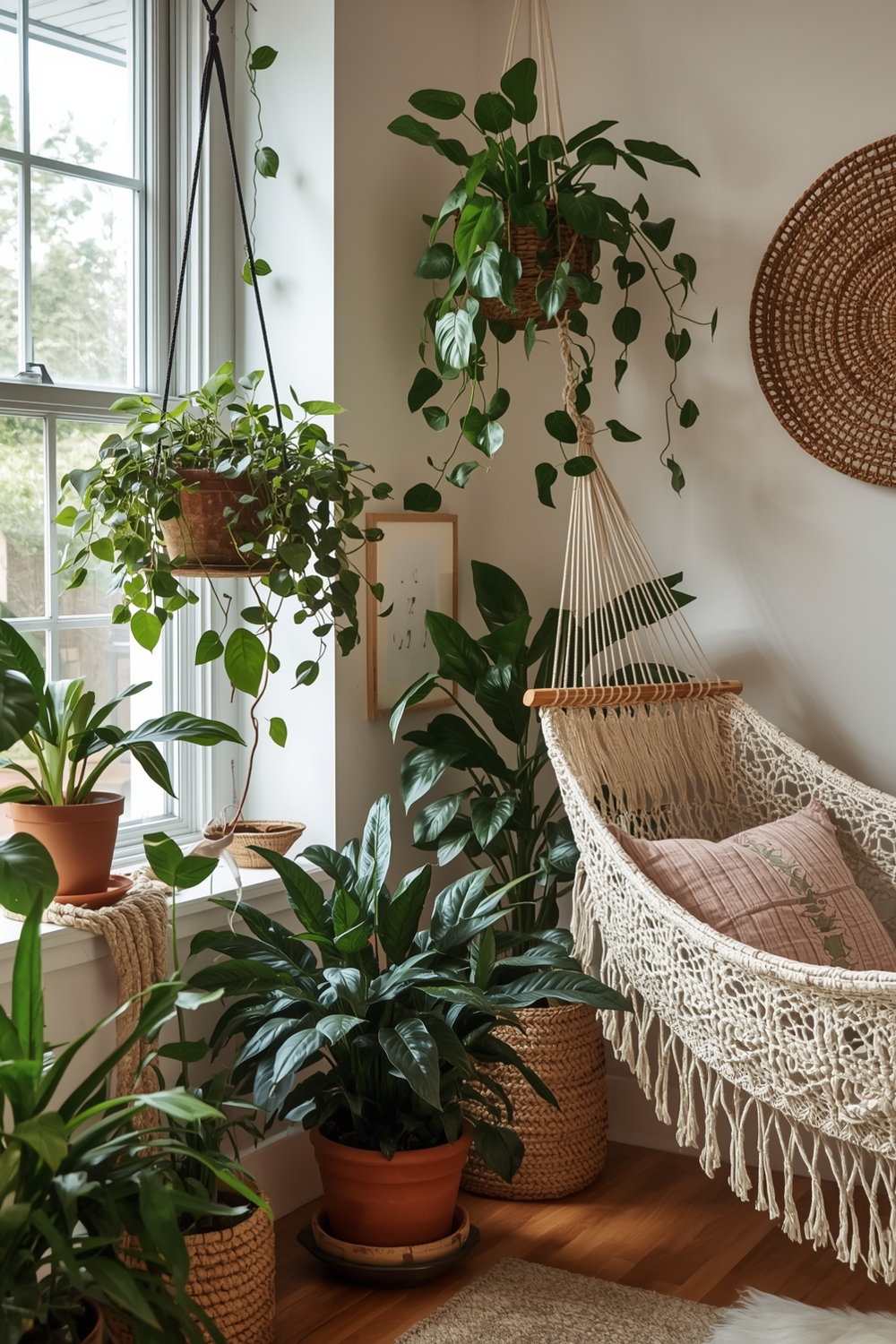
Suspend trailing plants around your backyard hammock for outdoor relaxation to create a garden canopy effect. Hanging baskets with petunias, ferns, or ivy add vertical greenery that frames your relaxation space while providing natural shade and improved air quality.
Mix different plant heights and textures for visual interest. Include fragrant varieties like jasmine or lavender to engage multiple senses. The combination of greenery and gentle motion creates a truly immersive natural environment that promotes relaxation and wellbeing.
Adding Cozy Lighting Around Hammocks
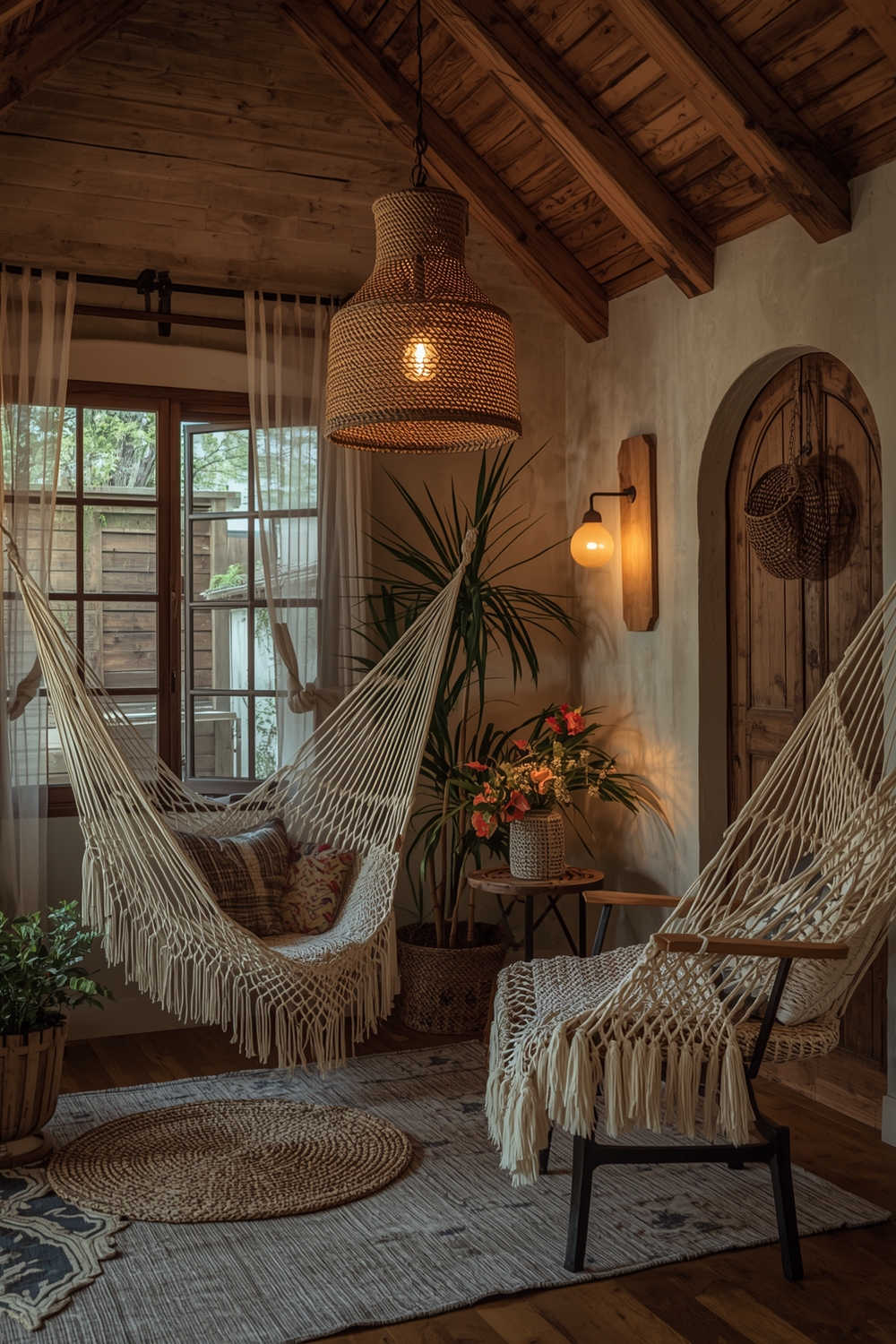
String lights, lanterns, and solar-powered fixtures extend hammock usability into evening hours while creating magical ambiance. Warm-toned LED lights reduce harsh glare and create inviting atmospheres perfect for stargazing or nighttime conversations in your outdoor space.
Position lighting to illuminate pathways for safety while keeping direct light sources out of sightlines when reclining. Dimmable options offer flexibility for different activities and moods. Battery-operated or solar fixtures eliminate tripping hazards from extension cords throughout your backyard.
Arranging Seating Around Hammocks
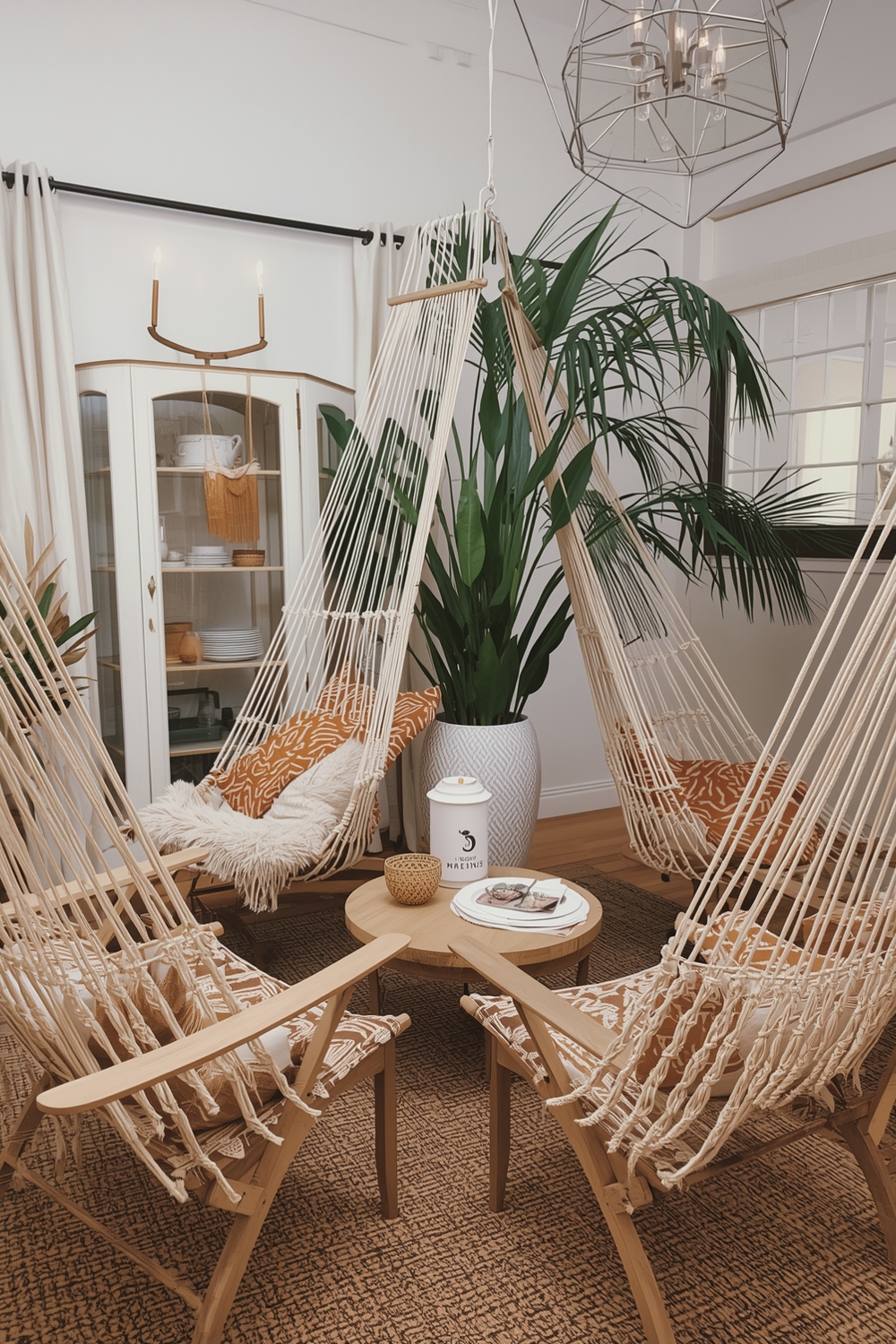
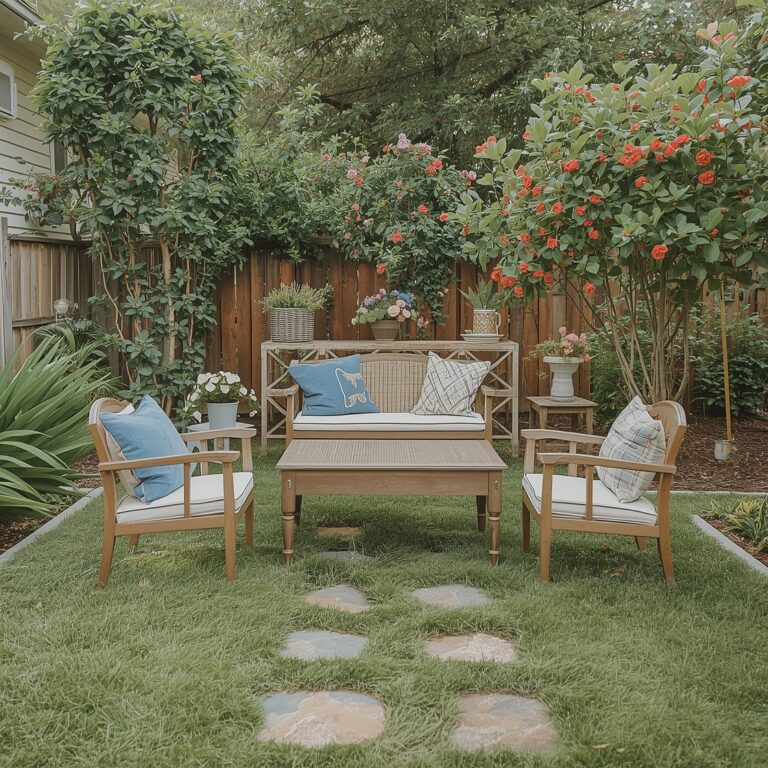
Complement your backyard hammock for outdoor relaxation with additional seating options that accommodate guests and create conversation areas. Position Adirondack chairs, benches, or poufs nearby to establish a cohesive outdoor living room that encourages social interaction.
Maintain adequate spacing to prevent collisions when the hammock is in motion. Choose seating styles that complement your hammock’s aesthetic—rustic wooden benches for bohemian setups or sleek metal chairs for modern designs—creating visual harmony throughout the space.
How This Idea Improves Your Space
Implementing these creative hammock ideas transforms ordinary backyards into extraordinary outdoor sanctuaries. A well-designed hammock area increases property value, provides mental health benefits through nature connection, and creates dedicated relaxation zones that encourage outdoor living. These improvements enhance quality of life, reduce stress levels, and offer budget-friendly alternatives to expensive vacations by bringing resort-style relaxation directly to your home environment year-round.
Budget-Friendly Tips
Start with a quality basic hammock and gradually add accessories as budget allows. Shop end-of-season sales for outdoor textiles and décor items. DIY simple accessories using reclaimed materials, repurpose indoor items for outdoor use, and propagate plants from cuttings rather than purchasing mature specimens for significant savings.
Conclusion
Creating the perfect backyard hammock for outdoor relaxation combines thoughtful design with practical considerations. Whether you implement one idea or combine multiple concepts, your outdoor space will become a personalized retreat that promotes relaxation and reconnection with nature. Start planning your hammock oasis today and enjoy the transformative benefits of outdoor living at its finest.
FAQs
What’s the best location for a backyard hammock?
Choose spots with afternoon shade, protection from strong winds, and solid anchor points spaced 12-15 feet apart for optimal comfort and safety.
How do I weatherproof my outdoor hammock setup?
Select quick-drying synthetic fabrics, apply fabric protectant sprays, store textiles during harsh weather, and choose rust-resistant hardware for longevity.
Can hammocks work in small backyards?
Absolutely! Hammock chairs, compact stands, and corner installations maximize relaxation options even in limited outdoor spaces without sacrificing comfort.
What’s the ideal hammock height from the ground?
Position the lowest point approximately 18 inches above ground when occupied, ensuring easy entry/exit while preventing contact with surfaces below.
How much weight can outdoor hammocks support?
Most quality hammocks support 300-500 pounds, but always verify manufacturer specifications and ensure anchor points can handle twice the expected load for safety.