Introduction
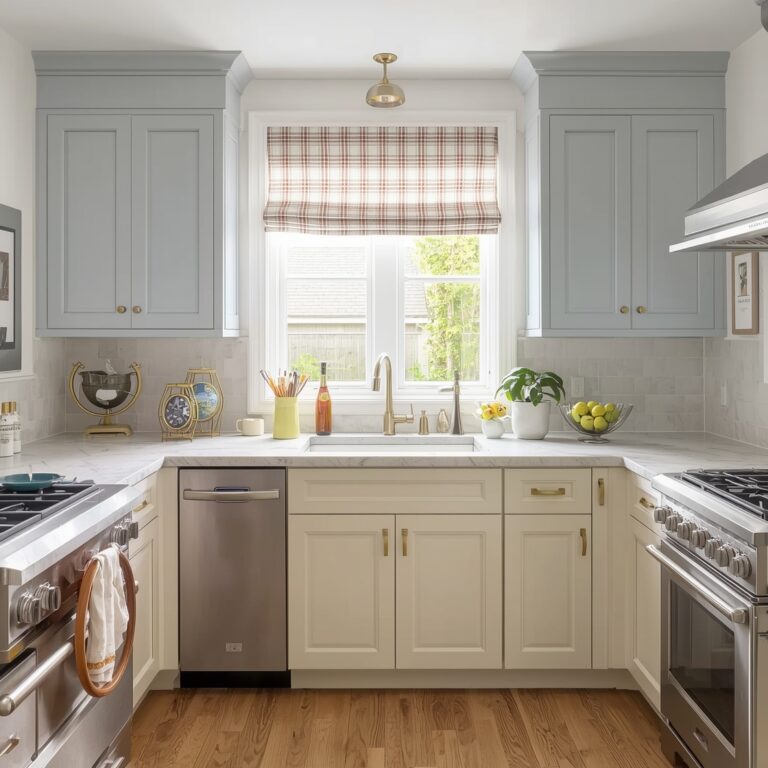
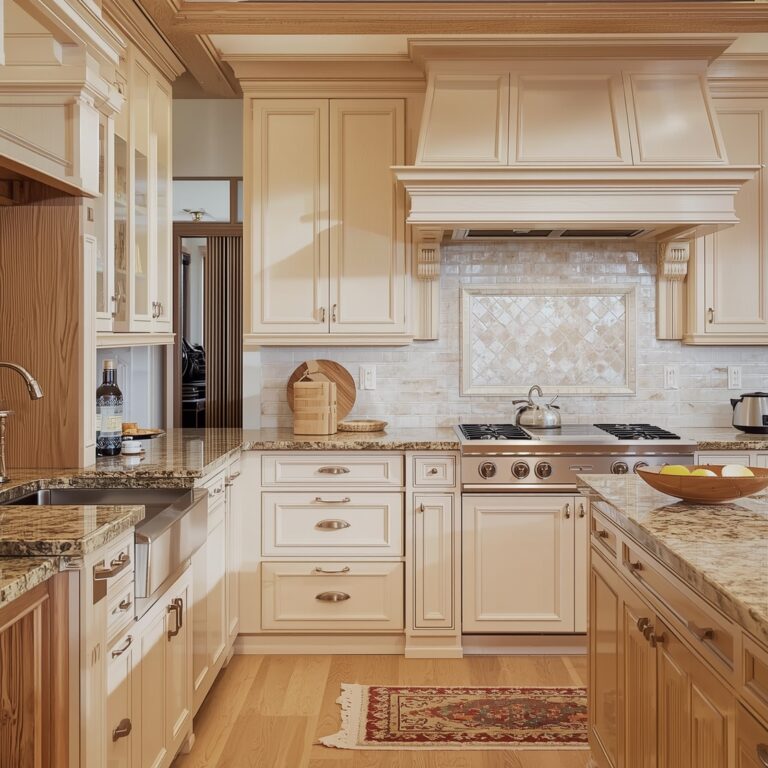
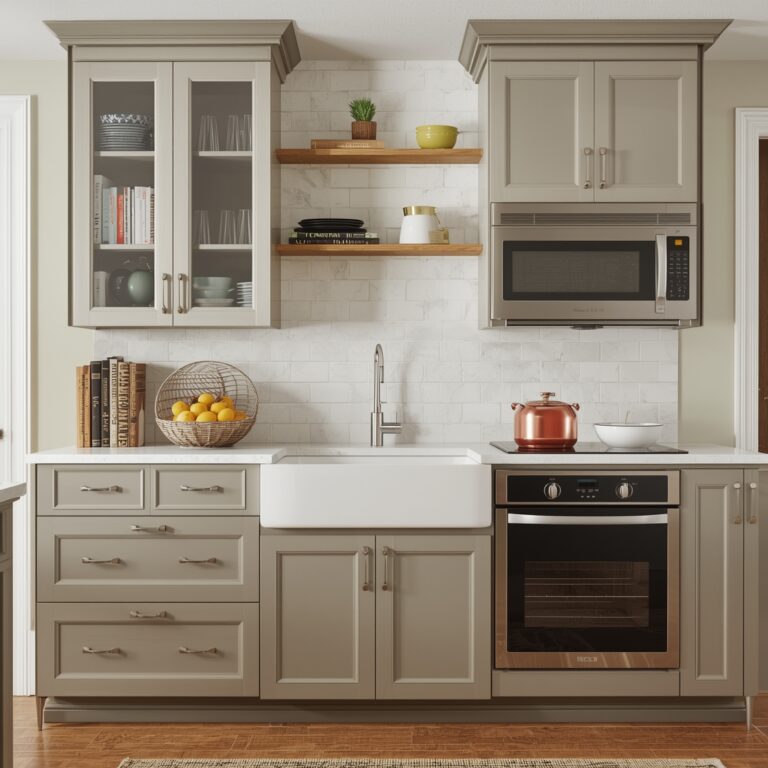
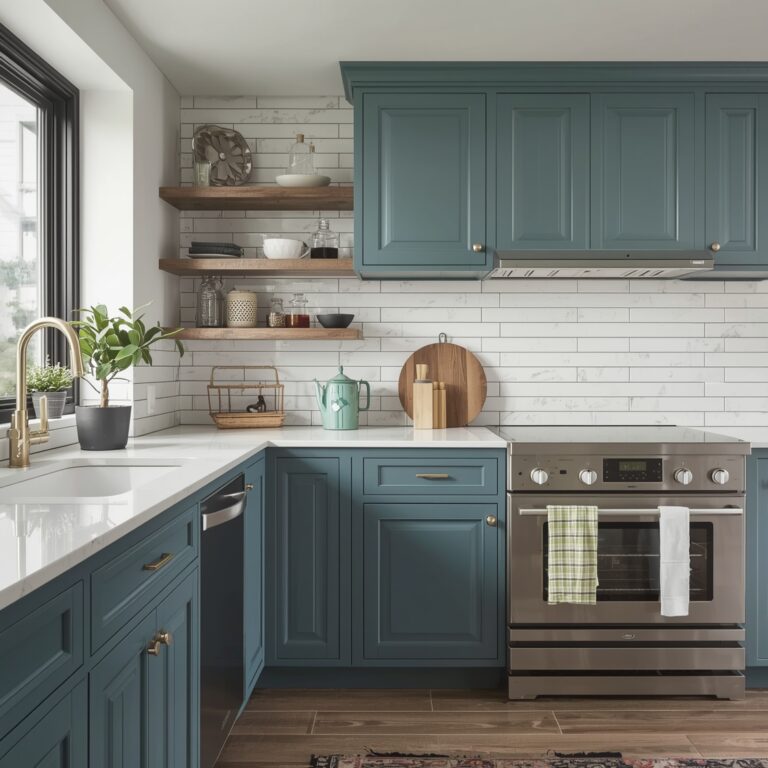
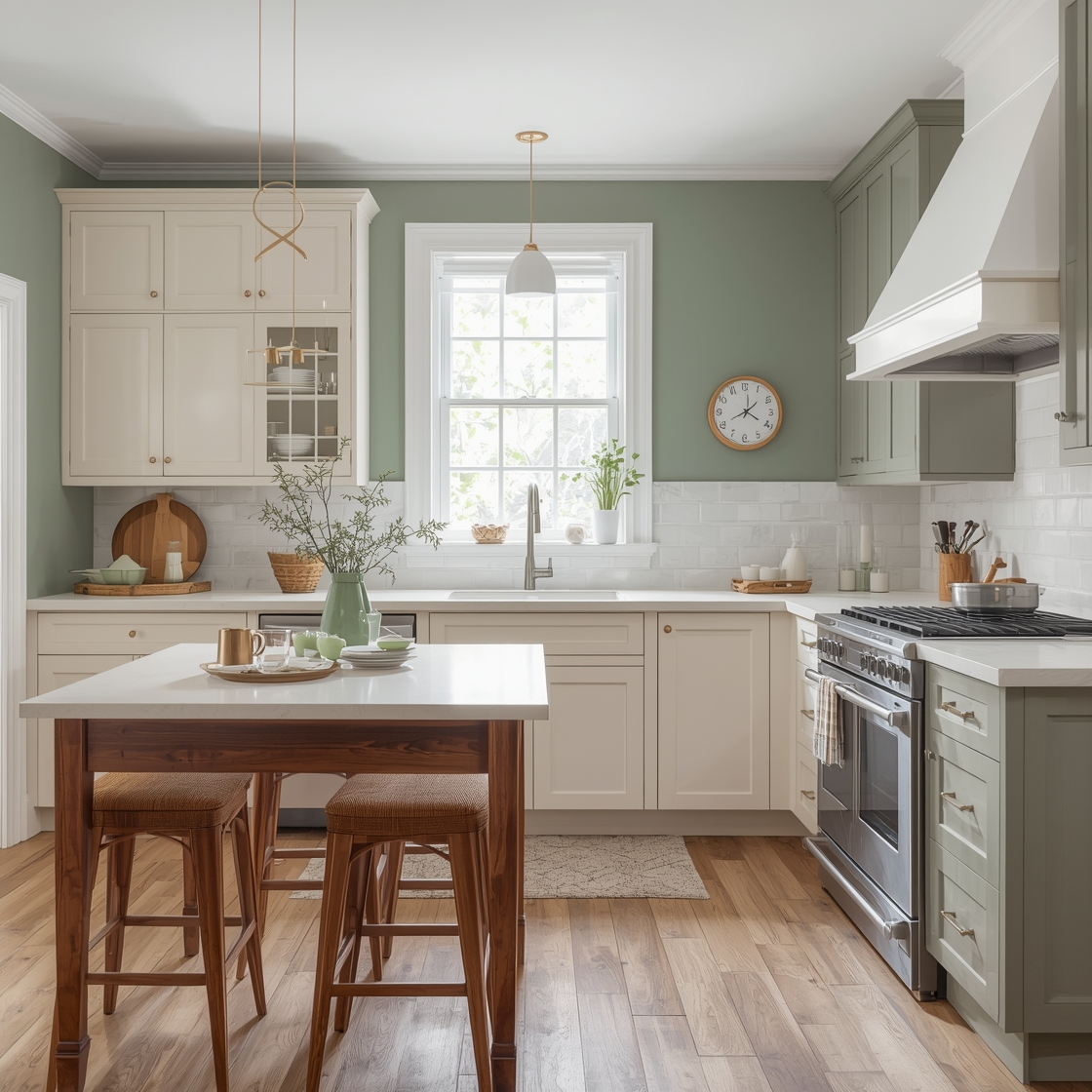
Transforming your kitchen has never been more stylish than with a two-tone kitchen cabinet colour scheme. This design trend brings depth, character, and visual interest to any cooking space. Whether you prefer bold contrasts or subtle variations, two-tone cabinetry offers endless possibilities to personalize your kitchen. From combining dark and light hues to mixing painted and natural wood finishes, this approach creates a sophisticated look that stands out. Discover how kitchen cabinets in dual tones can elevate your home’s aesthetic.
Inspiring Two-Tone Kitchen Ideas
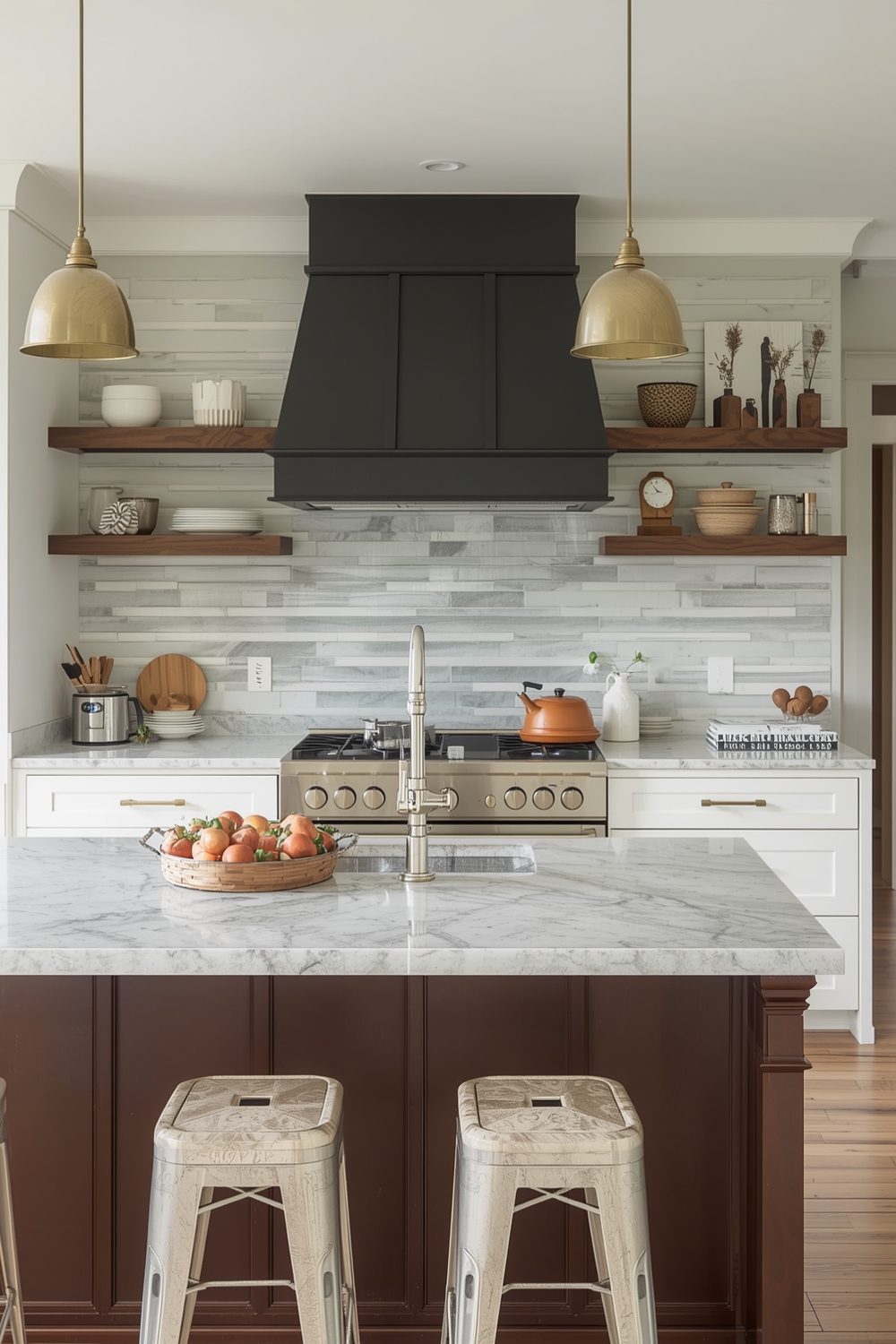
The beauty of a two-tone kitchen cabinet colour design lies in its versatility. Popular combinations include navy blue lower cabinets paired with crisp white uppers, or warm wood bases complemented by painted wall units.
Gray and cream combinations offer timeless elegance, while black and natural oak create dramatic contemporary spaces. Sage green with off-white delivers a fresh, organic feel perfect for farmhouse-style kitchens. These inspiring ideas prove that kitchen cabinets don’t need to match to create cohesion.
Choosing the Best Color Contrast
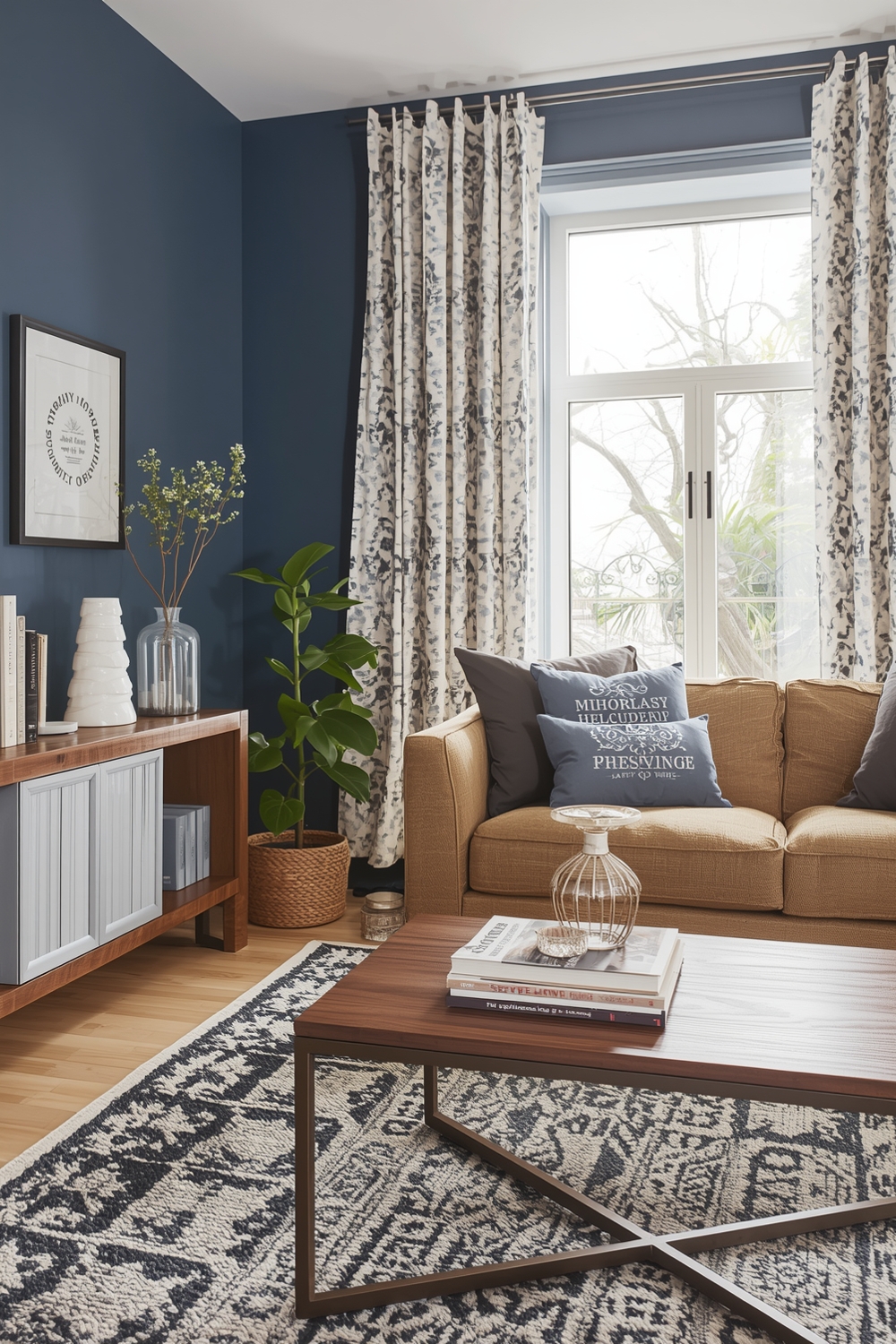
Selecting the right two-tone kitchen cabinet colour contrast requires considering your space’s natural lighting and overall style. High-contrast combinations like white and charcoal create striking visual separation, ideal for modern kitchens.
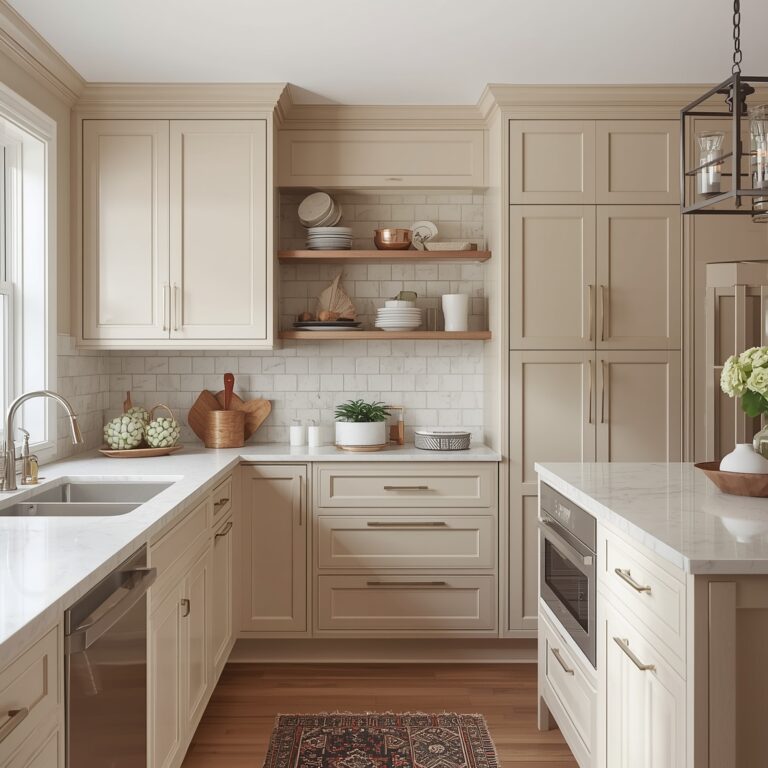
Low-contrast pairings such as taupe and cream offer subtle sophistication suited to traditional spaces. Consider using lighter shades for upper cabinets to maintain an airy feel, while darker lower cabinets ground the space. The key is ensuring both colors complement your countertops, flooring, and backsplash for a harmonious design.
Styling Cabinets Around Appliances
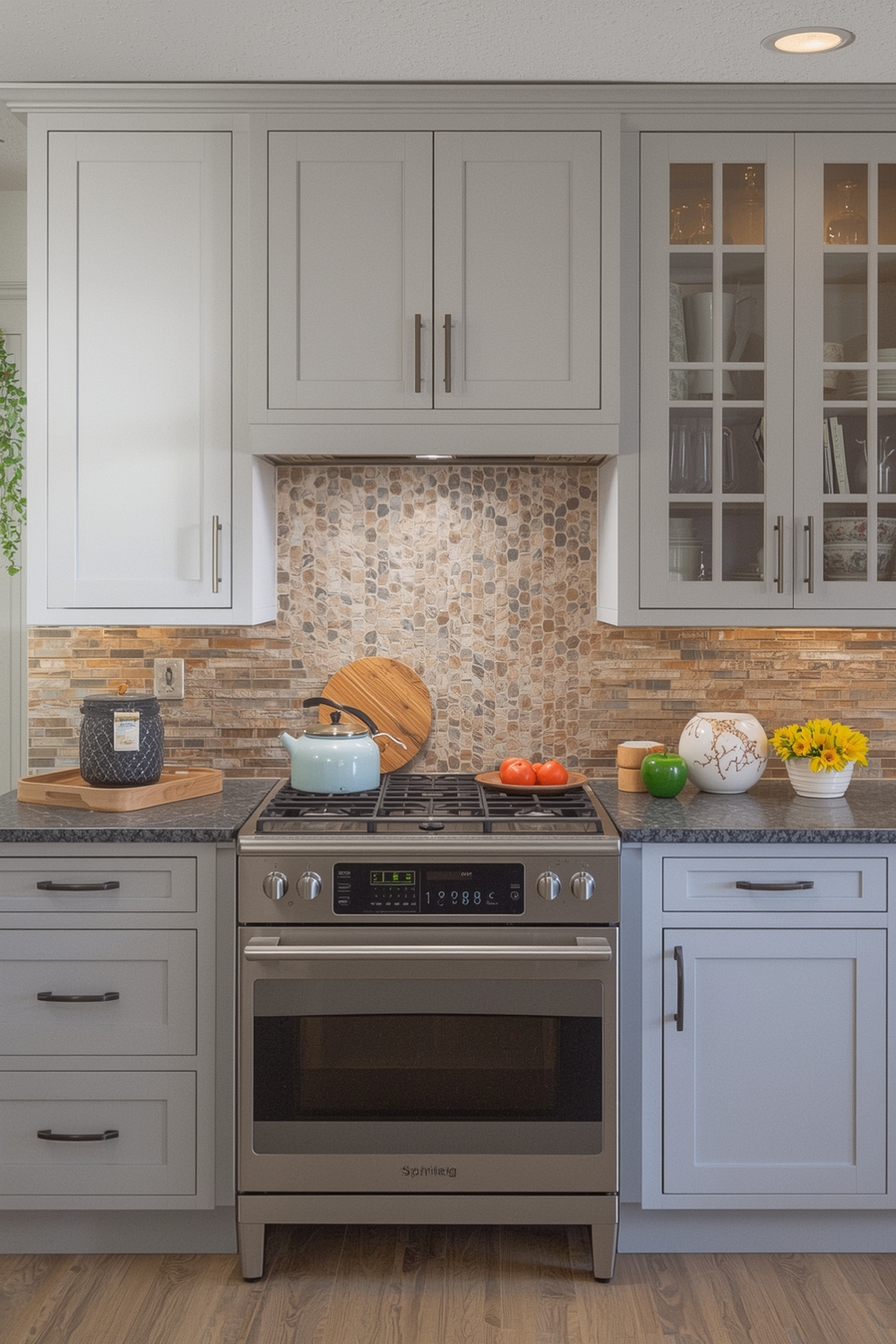
Integrating appliances seamlessly with your two-tone kitchen cabinet colour scheme enhances overall flow. Stainless steel appliances pair beautifully with gray and white combinations, while black appliances complement darker cabinet tones.
Panel-ready appliances can be covered to match either cabinet color, creating custom looks. Consider using your lighter cabinet shade around appliances to make them recede visually, or frame them with darker cabinetry for dramatic emphasis. This strategic placement ensures your kitchen cabinets and appliances work together rather than compete for attention.
Combining Bold and Neutral Cabinets
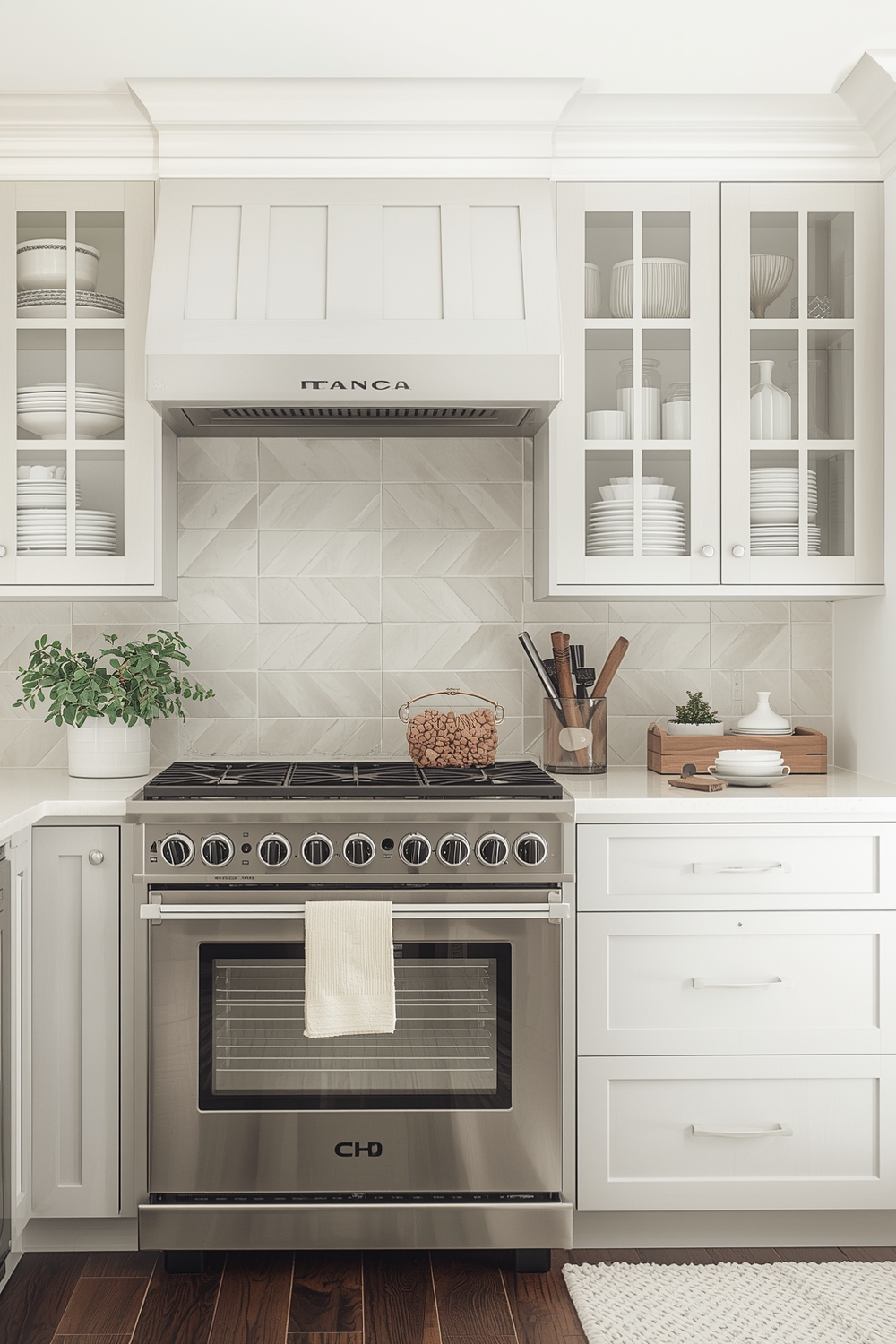
Balancing bold and neutral tones in your two-tone kitchen cabinet colour palette creates dynamic yet livable spaces. Use bold colors like emerald green, navy, or deep burgundy on lower cabinets or a feature island.
Pair these statement shades with neutral uppers in white, cream, or soft gray to prevent overwhelming the space. This approach allows personality to shine through while maintaining a sophisticated foundation. Bold kitchen cabinets become focal points, while neutral sections provide visual rest areas that keep the design balanced and inviting.
Layering Textures for Interest
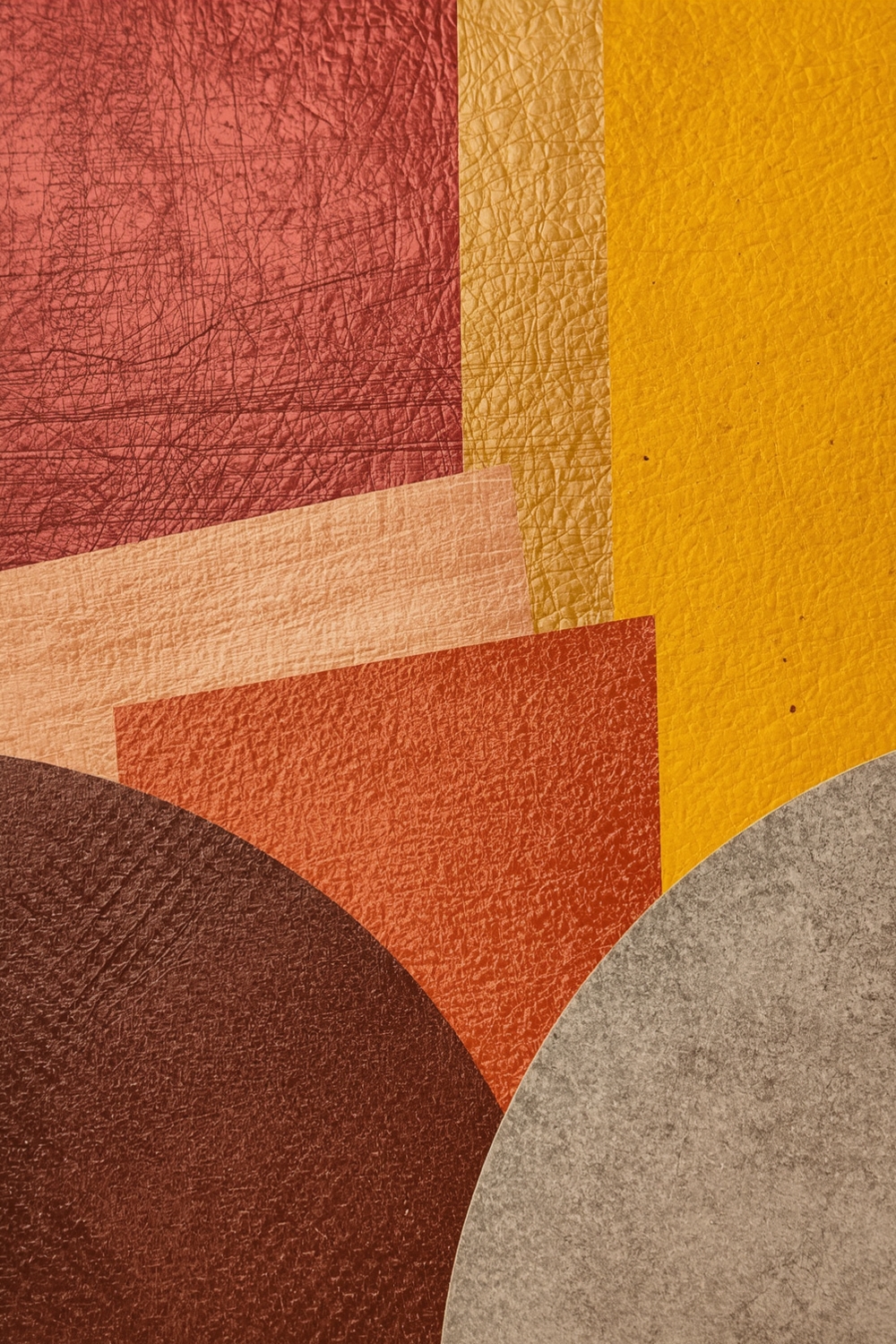
Adding textural variety amplifies the impact of your two-tone kitchen cabinet colour design. Pair smooth painted finishes with natural wood grain, or combine matte and glossy surfaces for dimensional appeal.
Glass-front upper cabinets contrast beautifully with solid lower doors, creating visual lightness. Shaker-style doors in one tone paired with flat-panel doors in another add subtle variation. Textured hardware, varied countertop materials, and distinctive backsplashes further enhance this layered approach, ensuring your kitchen cabinets deliver maximum visual interest beyond color alone.
Mixing Wood & Painted Cabinetry
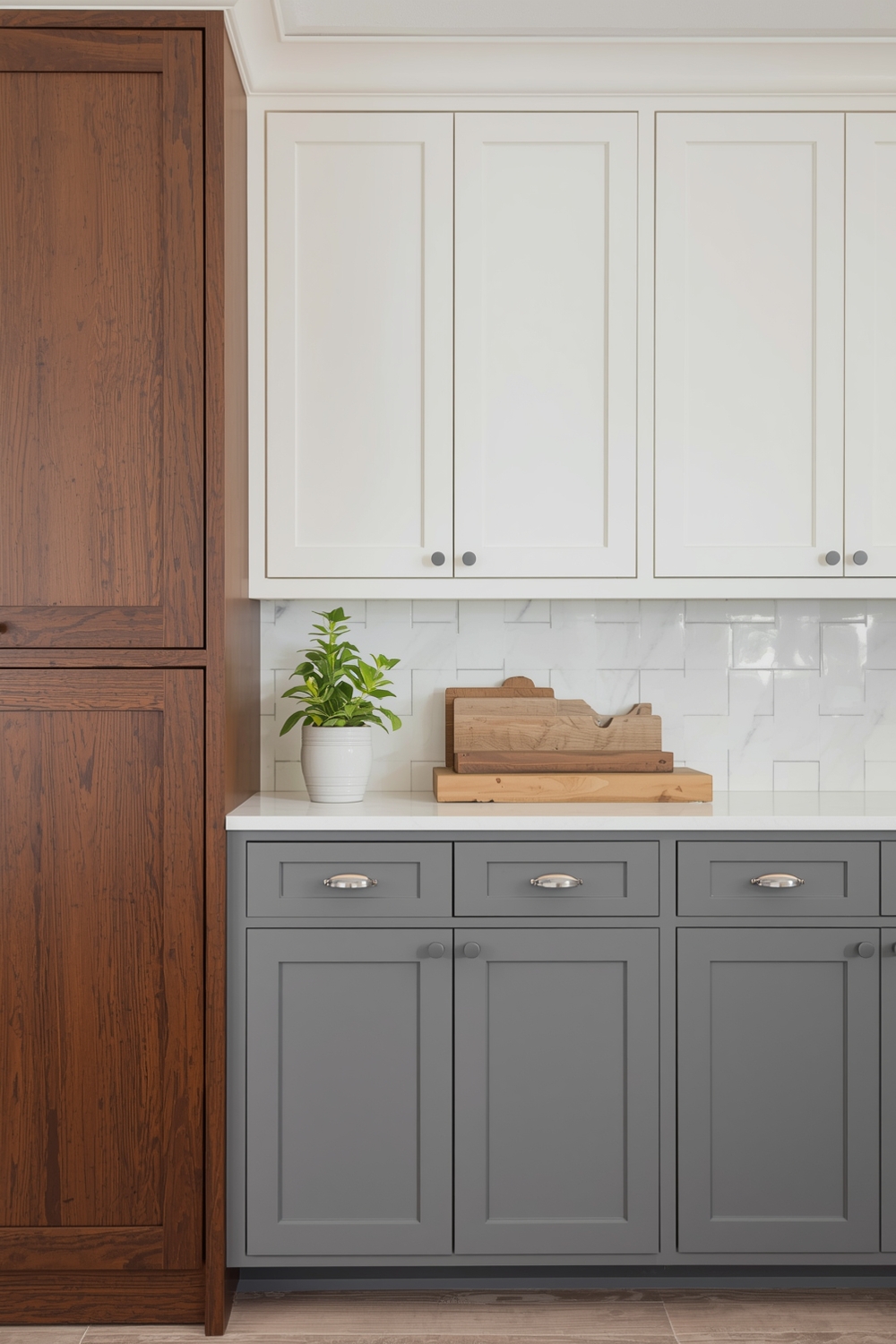
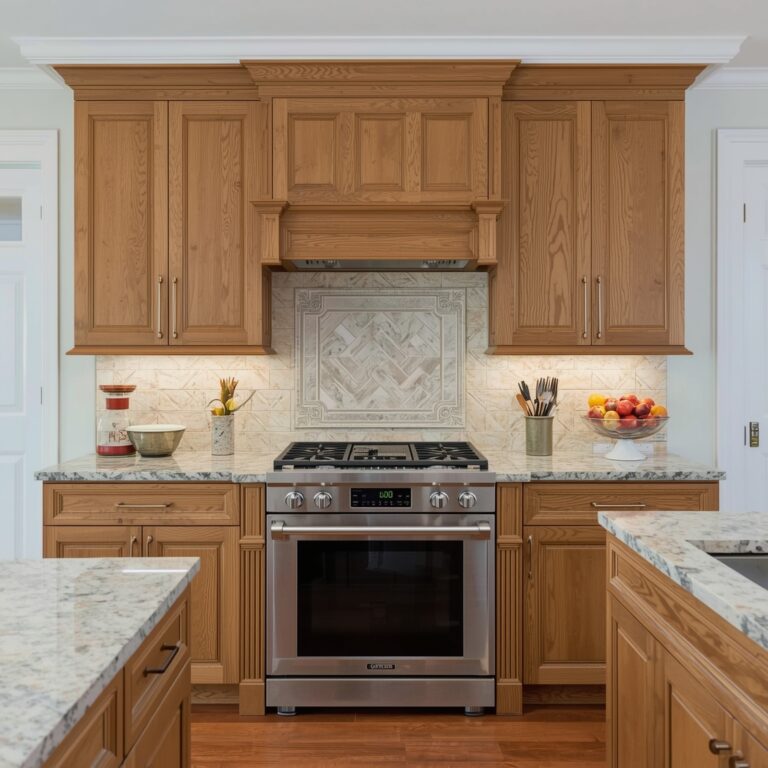
Combining natural wood with painted two-tone kitchen cabinet colour options brings warmth and authenticity to modern kitchens. Natural oak, walnut, or cherry base cabinets paired with painted white or gray uppers create organic contrast.
Alternatively, paint lower cabinets in deep tones while showcasing beautiful wood grain on uppers and open shelving. This mixture honors traditional craftsmanship while embracing contemporary color trends. The natural variations in wood grain add depth that solid painted kitchen cabinets alone cannot achieve, resulting in spaces that feel collected and personalized.
Creative Hardware Options
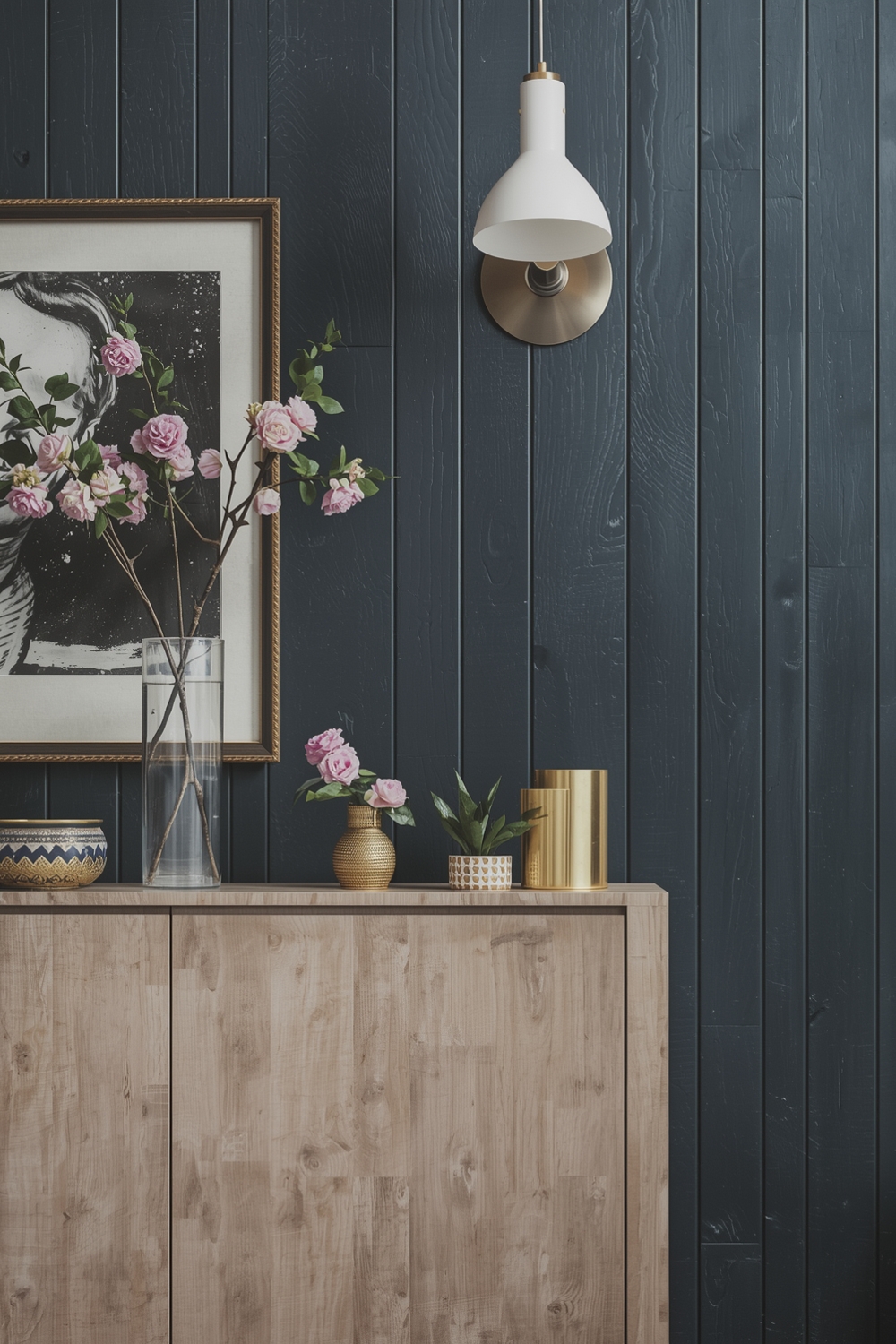
Hardware selection significantly influences how your two-tone kitchen cabinet colour scheme reads visually. Unified hardware across both cabinet colors creates cohesion—consider brass pulls for warmth, matte black for drama, or brushed nickel for versatility.
Alternatively, use different hardware styles for each cabinet color to emphasize the distinction. Cup pulls on dark lower cabinets paired with knobs on light uppers add functional and aesthetic variety. Hardware finishes should complement other kitchen elements like faucets and lighting fixtures, tying the entire design together seamlessly.
Two-Tone Cabinet Layout Ideas
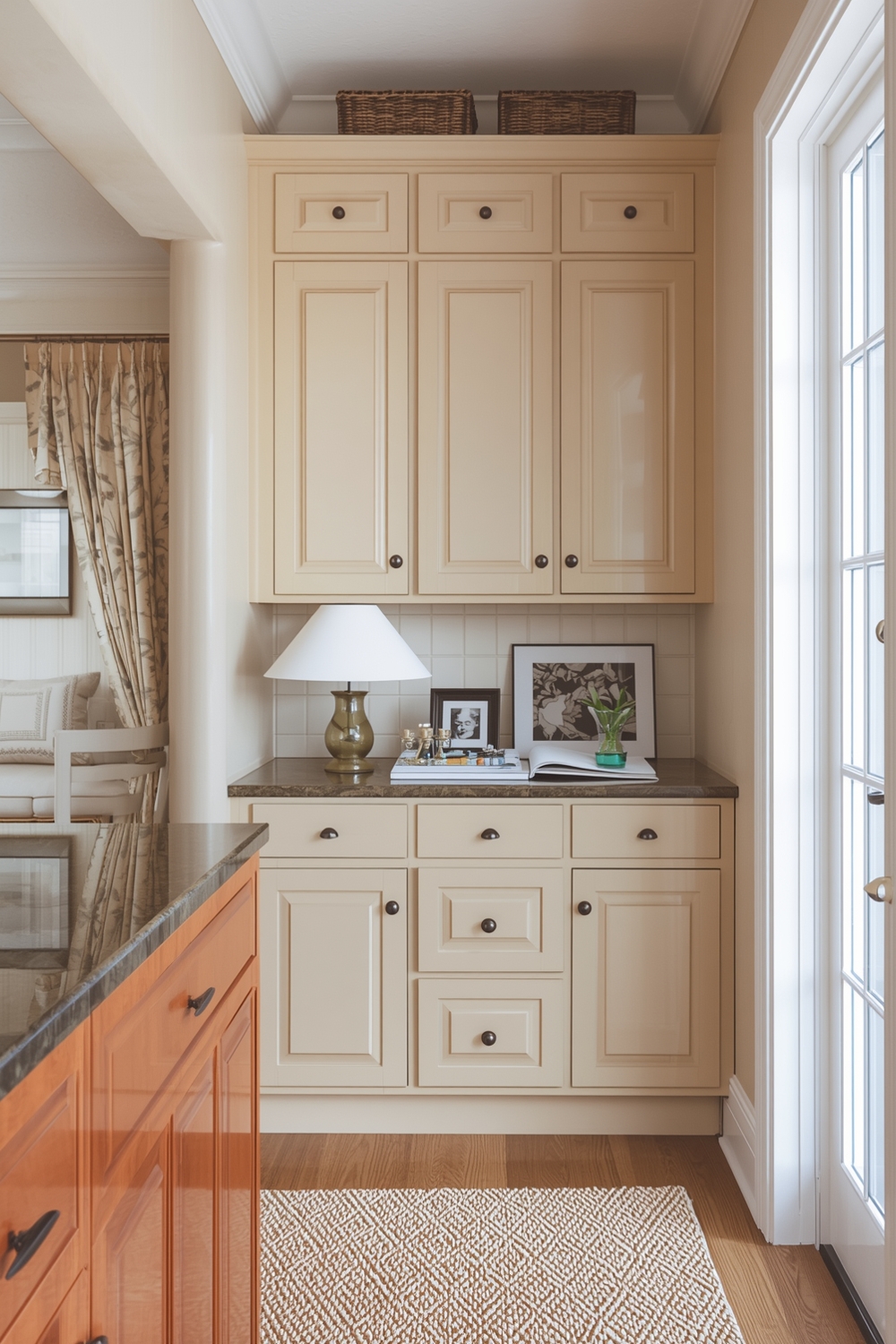
Strategic layout planning maximizes the impact of your two-tone kitchen cabinet colour design. The classic approach places darker shades on base cabinets and lighter tones on wall units, creating grounded, airy spaces.
Island-focused designs use contrasting colors to make the island a statement centerpiece. Vertical splits—dividing cabinets by wall rather than height—work beautifully in galley kitchens. Zone-based coloring distinguishes cooking areas from prep spaces. These thoughtful kitchen cabinets layouts guide the eye through your space while defining functional areas naturally.
Using Cabinets to Define Spaces
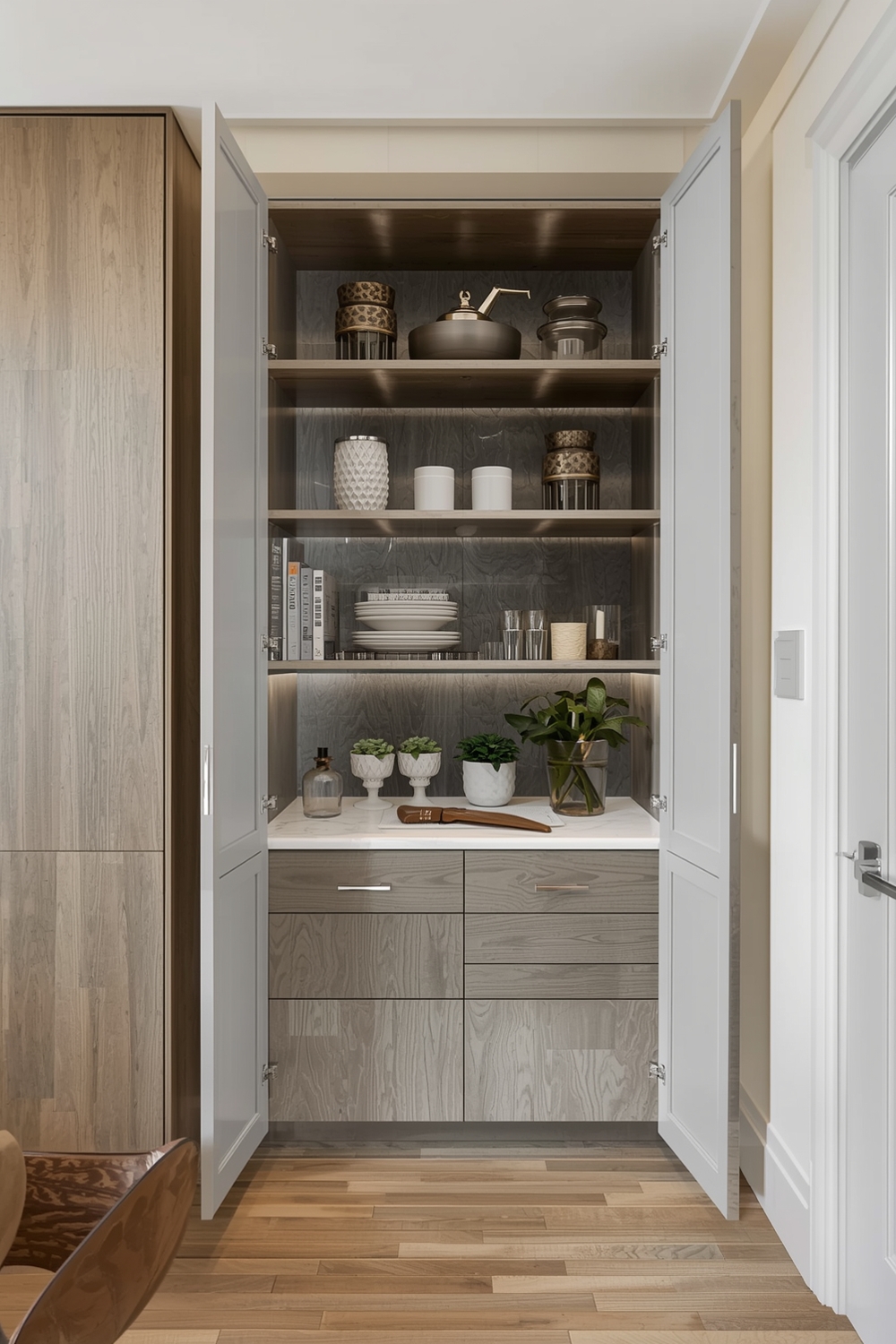
Two-tone kitchen cabinet colour schemes excel at spatial definition in open-concept homes. Use one cabinet color throughout the primary kitchen work zone, then transition to a contrasting shade for pantry areas or breakfast nooks.
In combined kitchen-dining spaces, changing cabinet colors helps visually separate cooking from eating areas without physical barriers. Islands in distinct colors naturally anchor seating zones. This color-coding technique makes large, open kitchen cabinets arrangements feel organized and intentional rather than sprawling and undefined, improving both functionality and aesthetics.
Seasonal Decorating Ideas
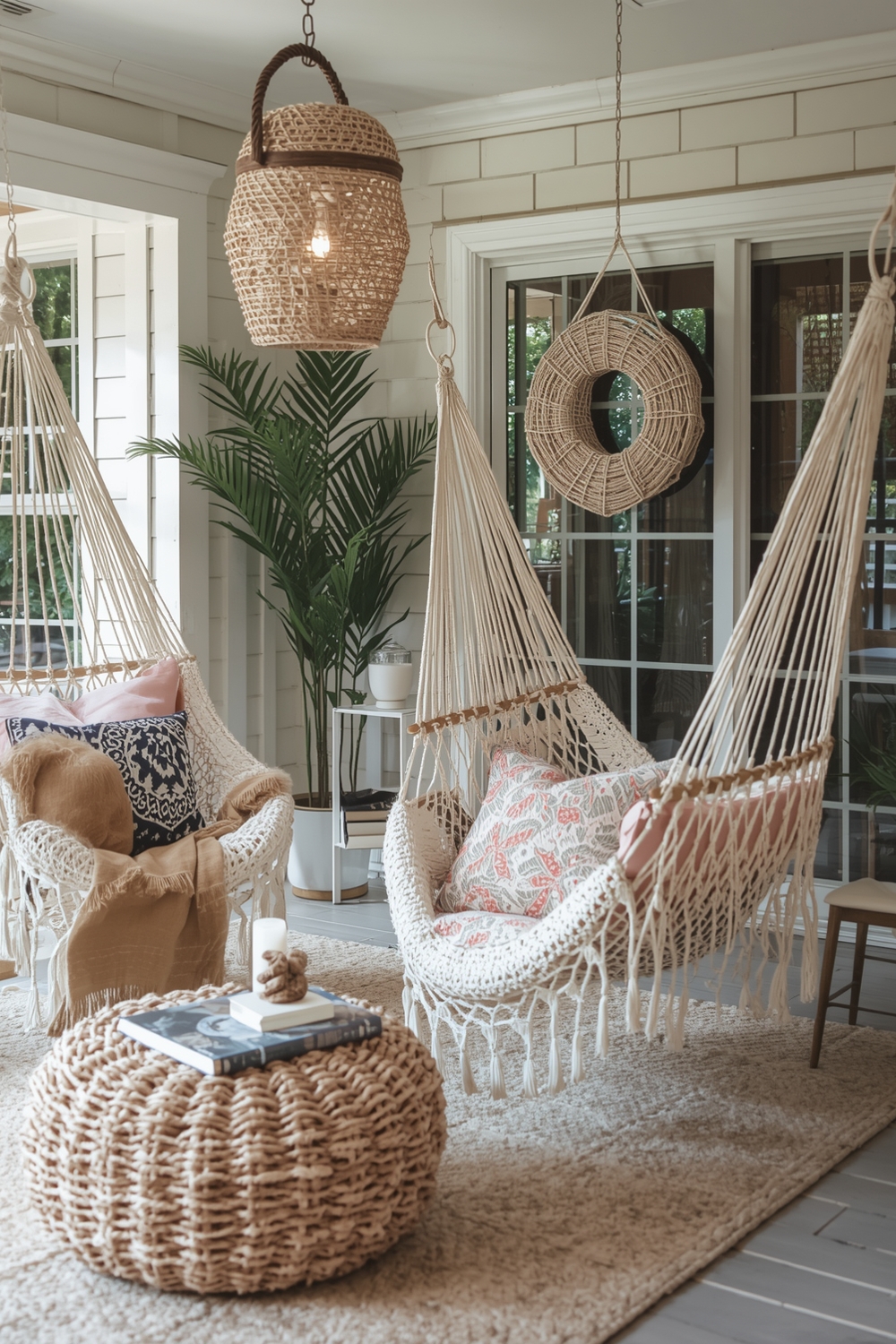
Two-tone kitchen cabinet colour palettes provide versatile backdrops for seasonal decoration. Neutral combinations accommodate any holiday theme, from spring pastels to autumn oranges.
During winter, add greenery and metallics against dark lower cabinets for festive contrast. Summer calls for bright linens and fresh flowers that pop against cooler cabinet tones. Fall decorations look stunning displayed on open shelving between two-tone sections. Your kitchen cabinets’ dual colors offer twice the opportunity to create harmonious seasonal vignettes that celebrate every time of year.
Lighting Tips for Two-Tone Kitchens
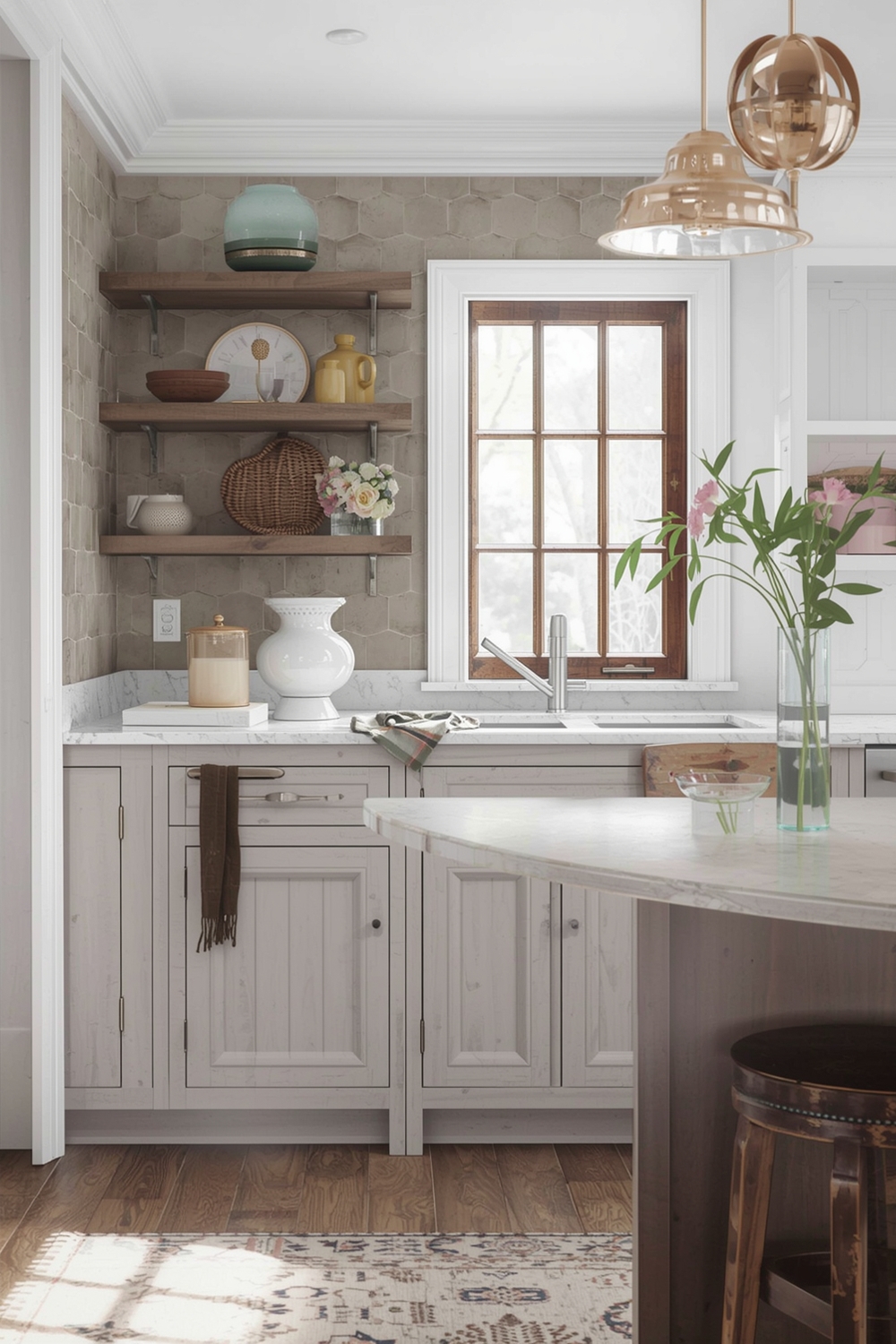
Proper lighting enhances your two-tone kitchen cabinet colour choices dramatically. Under-cabinet LED strips illuminate countertops while highlighting the transition between cabinet colors. Pendant lights over islands draw attention to contrasting cabinetry below.
Recessed ceiling lights should be positioned to evenly illuminate both cabinet tones, preventing one color from appearing shadowed. Natural light affects colors differently throughout the day, so test samples in your actual space. Strategic lighting ensures your kitchen cabinets’ colors appear true and consistent, maximizing the design’s intended impact.
Small Kitchen Two-Tone Hacks
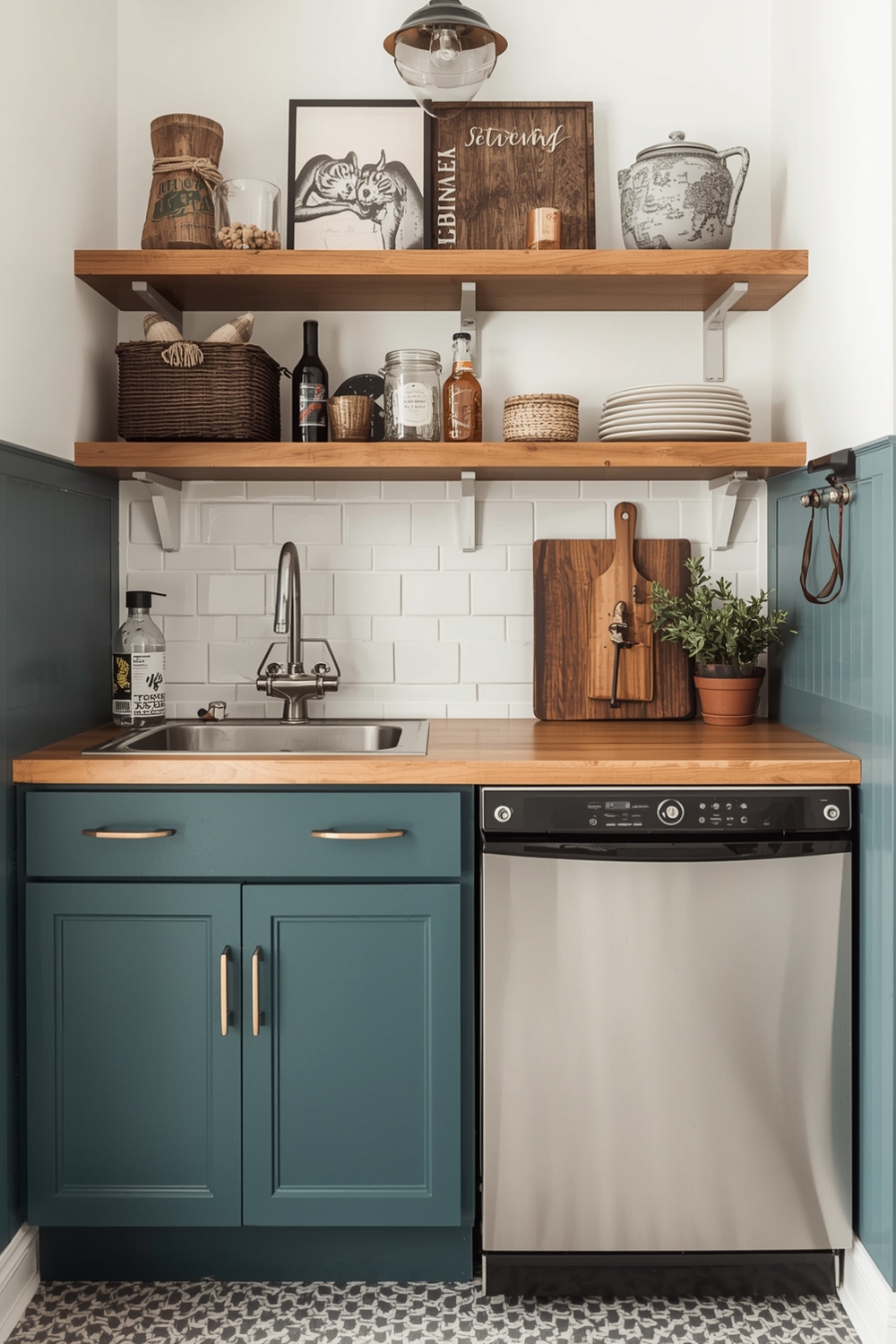
Two-tone kitchen cabinet colour strategies work wonderfully in compact spaces when applied thoughtfully. Use lighter colors on upper cabinets to prevent small kitchens from feeling closed in, while darker lowers add grounding without overwhelming.
Painting just the island or a single wall section in a contrasting color creates focal points without excessive color. Glass-front uppers in a lighter shade paired with solid lower cabinets maintain openness. Vertical two-tone splits can make narrow kitchens appear wider. These scaled approaches prove kitchen cabinets in small spaces benefit equally from thoughtful dual-tone designs.
Open Shelving & Accent Cabinets
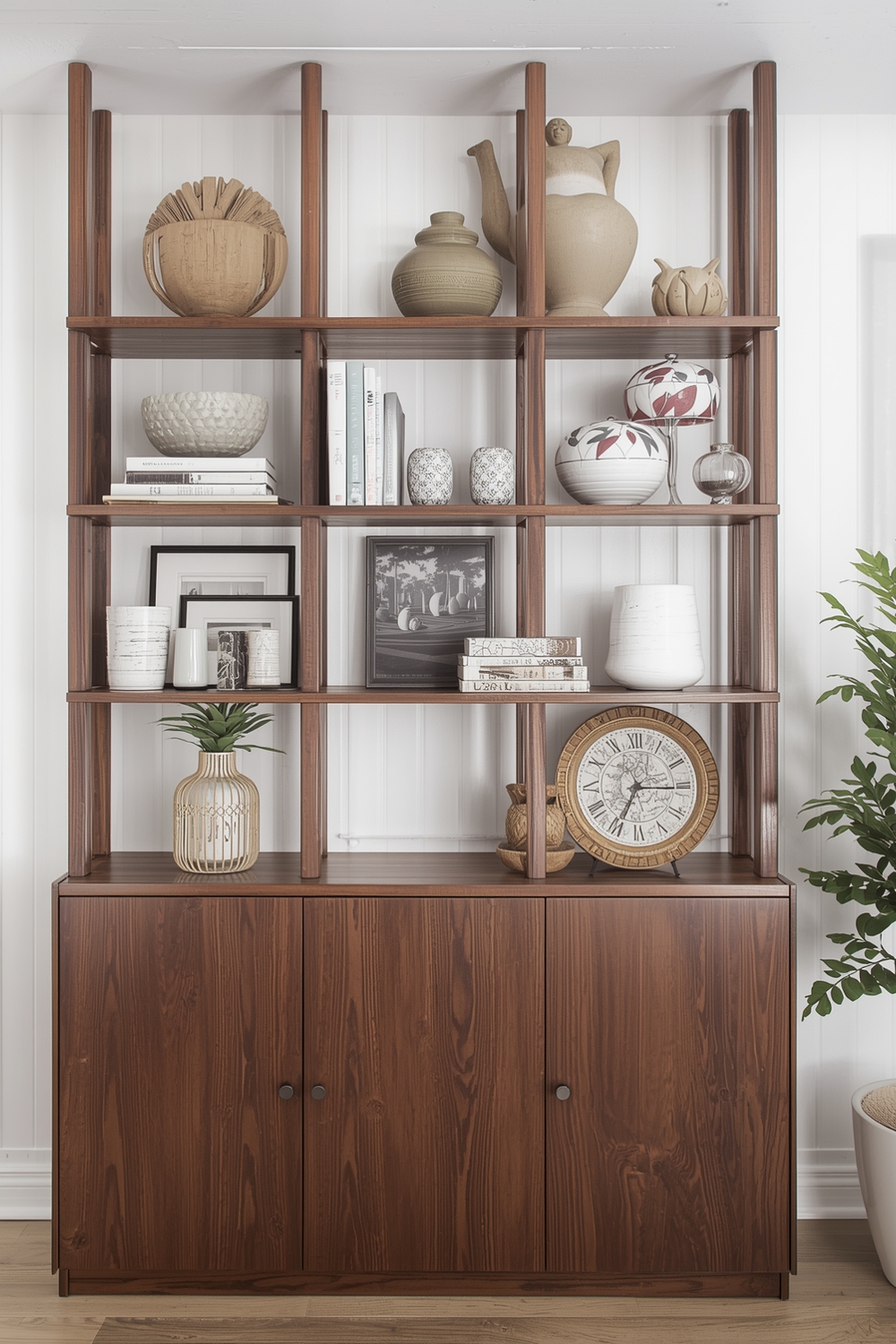
Integrating open shelving with your two-tone kitchen cabinet colour design adds contemporary flair. Replace some upper cabinets with open shelves in the lighter cabinet color to create airiness and display space.
Accent cabinets—perhaps a single tall pantry unit or corner cabinet—in a third complementary color add unexpected personality. Glass-front cabinets positioned between two-tone sections showcase dishware while maintaining visual flow. This mixed approach breaks up solid masses of kitchen cabinets, creating rhythm and preventing color fatigue in larger kitchens.
Styling Cabinets with Countertops
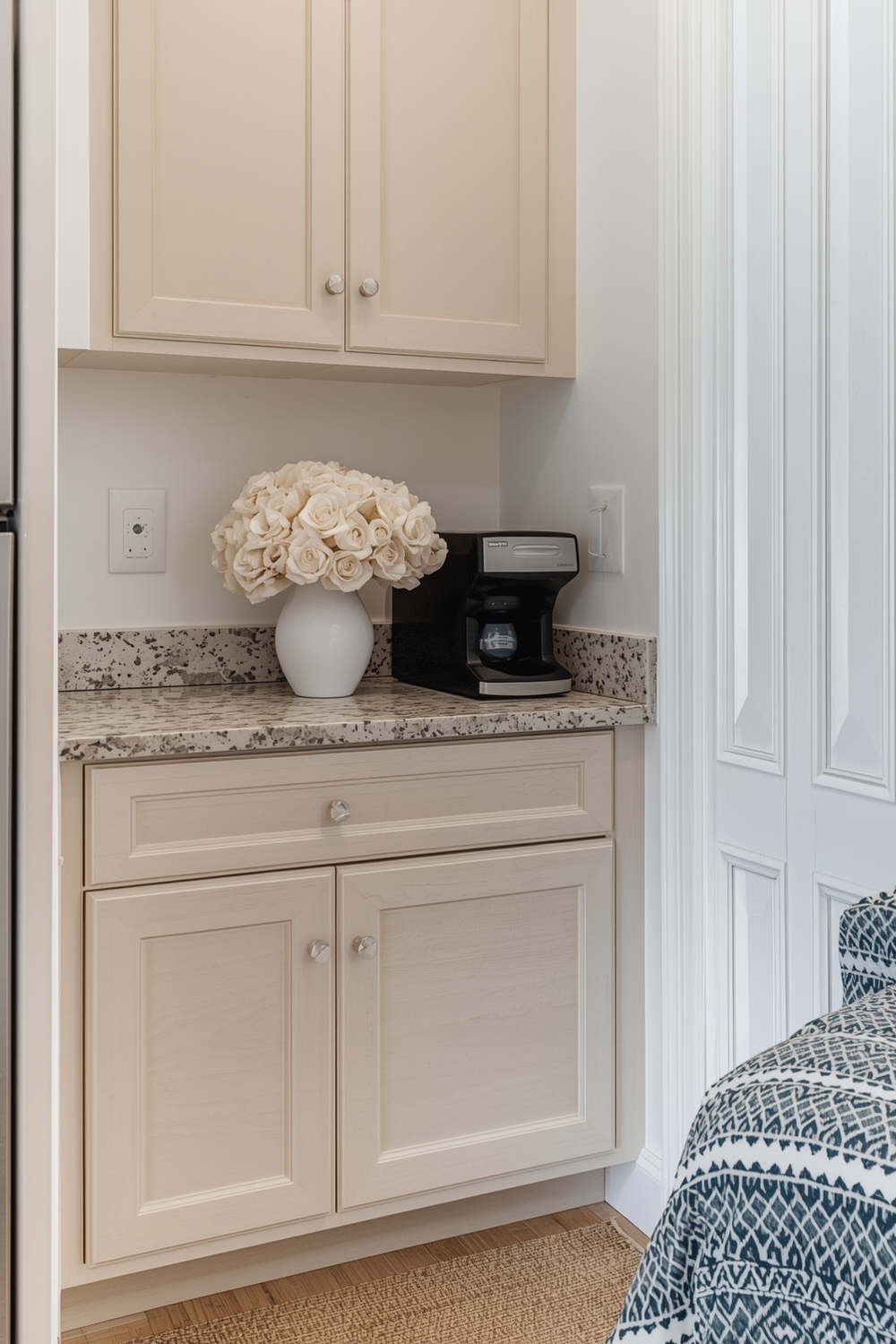
Countertop selection critically impacts your two-tone kitchen cabinet colour success. Neutral countertops like white quartz or gray granite complement virtually any cabinet combination without competing visually.
Veined marble introduces pattern that bridges contrasting cabinet colors elegantly. Butcher block countertops warm up cooler cabinet tones while adding textural contrast. Dark countertops pair beautifully with lighter upper cabinets, creating sandwich-like layering. Ensure your countertop choice enhances rather than clashes with both kitchen cabinets colors, considering how all three elements interact throughout your space.
Modern vs Classic Two-Tone Ideas
Two-tone kitchen cabinet colour approaches differ between modern and classic aesthetics. Modern designs favor bold contrasts—think matte black lowers with high-gloss white uppers—with minimal hardware and clean lines.
Classic styles prefer softer transitions like cream and sage or gray-blue and white, often with decorative moldings and traditional hardware. Contemporary farmhouse splits the difference, combining painted white uppers with natural wood lowers. Your chosen style guides color intensity, finish types, and architectural details, ensuring your kitchen cabinets authentically reflect your design preferences.
How This Idea Improves Your Space
Implementing a two-tone kitchen cabinet colour design transforms kitchens functionally and aesthetically. This approach adds visual depth that single-color schemes lack, making spaces feel more curated and intentional.
Two-tone designs naturally direct attention, highlighting architectural features or premium appliances. They break up monotony in large kitchens while adding interest to smaller ones. The color contrast defines zones without physical barriers, improving flow and usability. Ultimately, dual-tone kitchen cabinets create sophisticated, personalized spaces that reflect homeowners’ unique style preferences.
Budget-Friendly Tips
Achieve stunning two-tone kitchen cabinet colour results economically by painting existing cabinets rather than replacing them. Focus your contrasting color on the island or lower cabinets only, leaving uppers in their original finish. DIY painting saves significantly compared to professional services, though proper preparation ensures lasting results. Shop for affordable hardware in bulk to unify your refreshed kitchen cabinets cohesively.
Conclusion
Two-tone kitchen cabinet colour designs offer endless possibilities for personalizing your cooking space with style and sophistication. From dramatic contrasts to subtle variations, this approach suits every aesthetic preference and budget. By thoughtfully combining colors, textures, and layouts, you’ll create a kitchen that’s both beautiful and functional—a space where your unique personality shines through every carefully considered detail.
FAQs
What are the most popular two-tone kitchen cabinet colour combinations?
Navy and white, gray and cream, black and natural wood, and sage green with off-white consistently rank as favorites for their versatile appeal.
Should upper or lower cabinets be darker in a two-tone kitchen?
Typically, darker colors work best on lower cabinets to ground the space, while lighter uppers maintain airiness, though this guideline is flexible.
Can I create a two-tone look without painting all cabinets?
Absolutely! Painting just your island, lower cabinets, or a single wall section creates impactful two-tone designs economically.
Do two-tone kitchens work in small spaces?
Yes, when executed thoughtfully with lighter uppers and strategic accent colors, two-tone designs add depth without overwhelming compact kitchens.
What hardware works best with two-tone cabinets?
Unified hardware across both colors typically looks most cohesive—brass, matte black, and brushed nickel are versatile choices that complement various color combinations.